Hey there! As an air rock drill supplier, I often get asked about the torque output of these nifty tools. So, I thought I'd take a deep dive into this topic and share everything you need to know.
First off, let's talk about what torque is. In simple terms, torque is the rotational force that causes an object to turn. When it comes to an air rock drill, torque is super important because it determines how effectively the drill can break through rock. A higher torque output means the drill can handle tougher rocks and drill faster.
Now, the torque output of an air rock drill can vary quite a bit. It depends on several factors, like the size and design of the drill, the air pressure being used, and the type of bit it's fitted with.
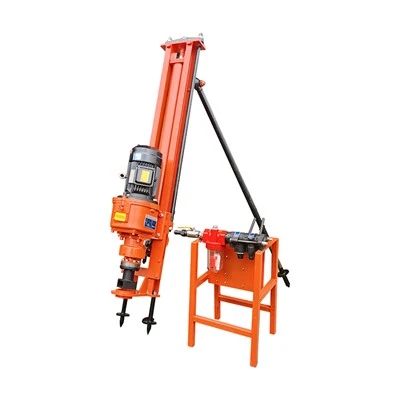
Let's start with the size and design of the drill. Generally, larger air rock drills tend to have a higher torque output. This is because they usually have bigger motors and more powerful air compressors. For example, our pneumatic air leg rock drill is a beefy machine. It's designed for heavy - duty rock drilling, and its large size allows it to generate a significant amount of torque. This makes it perfect for big - scale construction projects or mining operations where you need to drill through hard rock layers.
On the other hand, smaller drills like our mini pneumatic drill have a lower torque output. But that doesn't mean they're not useful. These little guys are great for more delicate jobs, like small - scale DIY projects or when you need to drill in tight spaces. They're also more portable and easier to handle, so you can take them wherever you need them.
Air pressure is another crucial factor. The torque output of an air rock drill is directly proportional to the air pressure supplied to it. If you increase the air pressure, the drill will produce more torque. However, you need to be careful not to exceed the drill's recommended air pressure. Too much pressure can damage the drill and even pose a safety risk. Most air rock drills work best within a specific air pressure range. For example, some of our drills are designed to operate at an air pressure of around 6 - 8 bar. When you keep the air pressure within this range, you'll get the optimal torque output and the best performance from the drill.
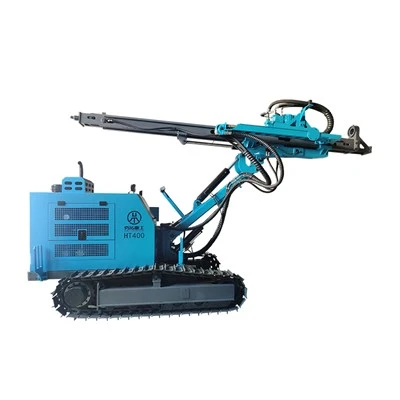
The type of bit also plays a role in determining the torque output. Different bits are designed for different types of rock. For soft rocks, you can use a bit with a more aggressive cutting edge. This type of bit requires less torque to cut through the rock. But when you're dealing with hard rocks like granite or basalt, you'll need a bit with a stronger and more durable design. These bits usually need more torque to break through the tough rock. Our small down the hole drilling equipment comes with a variety of bits that are suitable for different rock types. This allows you to adjust the setup according to the job at hand and get the most out of the drill's torque.
Measuring the torque output of an air rock drill isn't always straightforward. There are a few different methods, but one common way is to use a torque wrench. You can attach the torque wrench to the drill's chuck and measure the amount of torque being produced. However, this method can be a bit tricky because it requires the drill to be running at a specific speed and under specific conditions. Some manufacturers also provide torque ratings for their drills in the product specifications. These ratings give you a general idea of how much torque the drill can produce, but keep in mind that the actual torque output can vary depending on the factors we've discussed.
So, why does all this matter? Well, understanding the torque output of an air rock drill is crucial for getting the job done right. If you choose a drill with too low a torque output for the type of rock you're drilling, you'll end up with a slow and inefficient drilling process. The drill might struggle to break through the rock, and you could even damage the drill bit. On the other hand, if you use a drill with too high a torque output for a small - scale job, you're wasting energy and might cause unnecessary wear and tear on the drill.
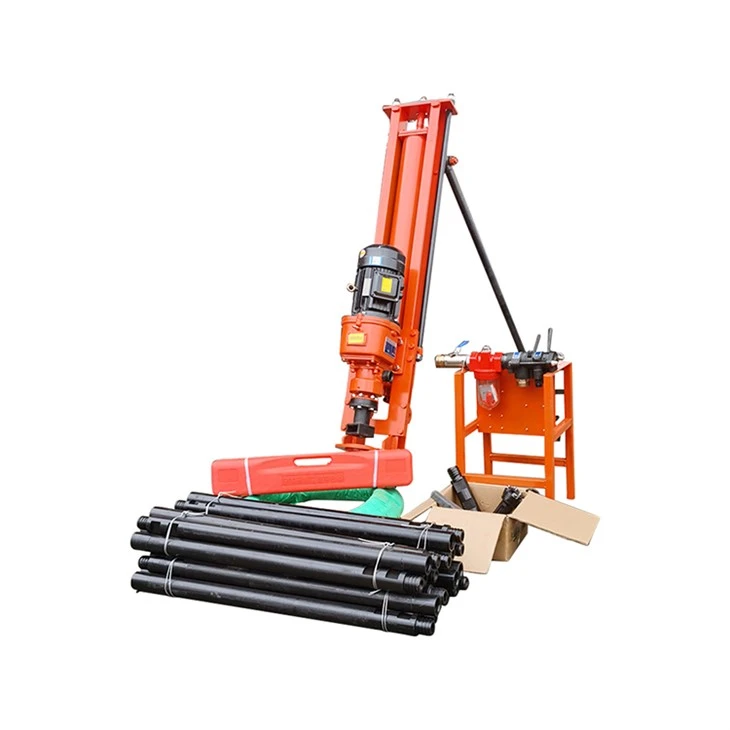

As a supplier, we're always here to help you choose the right air rock drill for your needs. Whether you're a professional contractor working on a large construction site or a DIY enthusiast looking to do some home improvement, we've got the perfect drill for you. Our team of experts can help you understand the torque requirements of your project and recommend the best drill based on your specific needs.
If you're interested in learning more about our air rock drills or have any questions about torque output, don't hesitate to reach out. We're happy to have a chat and discuss how we can help you with your drilling needs. Whether you need a high - torque drill for a tough mining job or a small, low - torque drill for a home project, we've got you covered. Contact us today to start the conversation and find the perfect air rock drill for your next project!
References
- General knowledge of air rock drill technology and engineering principles.
- Product specifications and research on air rock drills from industry - standard sources.