As a seasoned drilling rig supplier, I've witnessed firsthand the pivotal role that real - time monitoring plays in the operation of drilling rigs. In this blog, I'll delve into the various methods and technologies used to monitor drilling rigs during operation, highlighting their significance in ensuring efficiency, safety, and cost - effectiveness.
1. Sensor - Based Monitoring
One of the most fundamental ways to monitor drilling rigs is through the use of sensors. These sensors are strategically placed throughout the rig to collect data on various parameters.
Pressure Sensors
Pressure sensors are crucial for monitoring the hydraulic systems of the drilling rig. Hydraulic systems are responsible for powering many of the rig's functions, such as the movement of the drill string and the operation of the drilling bit. By continuously measuring the pressure in the hydraulic lines, operators can detect any abnormal pressure fluctuations. For example, a sudden drop in pressure could indicate a leak in the hydraulic system, which, if left unaddressed, could lead to equipment failure and costly downtime.
Temperature Sensors
Temperature sensors are used to monitor the temperature of critical components such as engines, motors, and bearings. High temperatures can be a sign of excessive friction or overloading. For instance, if the temperature of a drill bit motor rises above the normal operating range, it could mean that the motor is working too hard, perhaps due to a dull drill bit or a problem with the drilling speed. Monitoring temperature allows operators to take preventive action, such as adjusting the drilling parameters or performing maintenance, before a major breakdown occurs.
Vibration Sensors
Vibration sensors are employed to detect abnormal vibrations in the drilling rig. Unusual vibrations can be caused by a variety of factors, including misaligned components, worn - out bearings, or uneven drilling. By analyzing the frequency and amplitude of the vibrations, engineers can identify the root cause of the problem. For example, high - frequency vibrations might indicate a problem with the drill bit's cutting action, while low - frequency vibrations could be related to the overall stability of the rig.
2. Data Acquisition and Transmission
Once the sensors collect data, it needs to be acquired and transmitted to a central monitoring system.
Data Loggers
Data loggers are used to collect and store the data from the sensors. These devices are typically installed on the drilling rig and can record data at regular intervals. They are designed to be rugged and reliable, capable of withstanding the harsh environmental conditions often encountered in drilling operations. Some data loggers can store large amounts of data, allowing for long - term analysis.
Wireless Communication
Wireless communication technologies, such as Wi - Fi, cellular networks, and satellite communication, are used to transmit the data from the data loggers to the central monitoring system. Wi - Fi is suitable for short - range communication within the drilling site, while cellular networks and satellite communication can be used for remote monitoring. For example, in offshore drilling operations, satellite communication is often the only option for transmitting data back to the on - shore monitoring center.
3. Remote Monitoring and Control
With the data transmitted to the central monitoring system, operators can remotely monitor and control the drilling rig.
Real - Time Dashboards
Real - time dashboards provide operators with a visual representation of the drilling rig's performance. These dashboards display key parameters such as pressure, temperature, and drilling speed in an easy - to - understand format. Operators can quickly identify any anomalies and take appropriate action. For example, if the dashboard shows that the drilling speed is too high and the torque is increasing rapidly, the operator can remotely adjust the drilling speed to prevent damage to the drill bit.
Automated Alerts
Automated alerts are set up to notify operators when certain parameters exceed predefined thresholds. For example, if the pressure in the hydraulic system drops below a certain level or the temperature of a critical component rises above the normal range, an alert will be sent to the operator's mobile device or computer. This allows operators to respond promptly to potential problems, reducing the risk of equipment damage and downtime.
Remote Control
In some cases, operators can remotely control certain functions of the drilling rig. For example, they can adjust the drilling speed, change the direction of the drill string, or activate the emergency stop function. Remote control capabilities are particularly useful in situations where it is dangerous or difficult for operators to be physically present at the rig, such as in deep - sea drilling or in hazardous environments.

4. Condition - Based Maintenance
Monitoring data is also used for condition - based maintenance.
Predictive Analytics
Predictive analytics uses historical and real - time data to predict when a component is likely to fail. By analyzing patterns in the data, such as changes in temperature, vibration, or pressure over time, engineers can estimate the remaining useful life of a component. For example, if the vibration of a bearing has been gradually increasing over a period of time, predictive analytics can be used to determine when the bearing is likely to fail and schedule maintenance accordingly.
Maintenance Scheduling
Based on the results of predictive analytics, maintenance schedules can be optimized. Instead of performing maintenance at fixed intervals, which may be either too early or too late, condition - based maintenance allows for maintenance to be carried out only when it is actually needed. This reduces maintenance costs and increases the overall efficiency of the drilling rig.
Product Recommendations
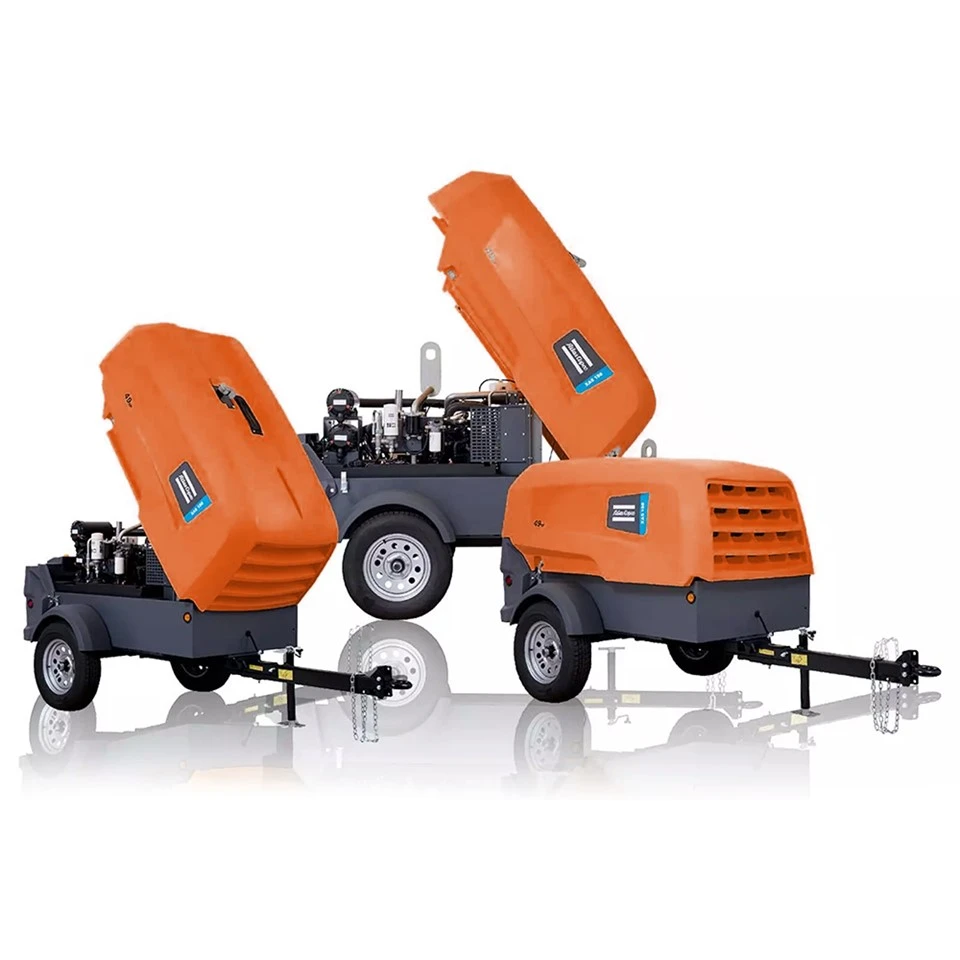
As a drilling rig supplier, we offer a wide range of high - quality drilling rigs and related equipment. Our towable air compressor is a versatile and reliable option for smaller drilling projects. It is easy to transport and provides a stable source of compressed air.
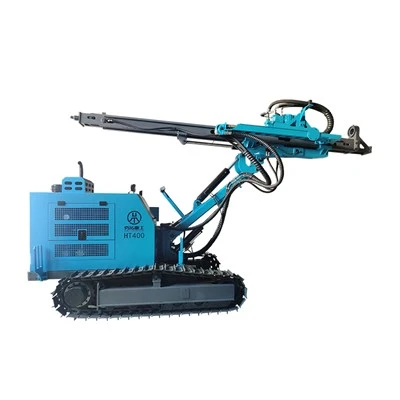
For open - pit drilling, our dth drilling rig is an excellent choice. It is designed for high - performance and can handle a variety of rock formations.
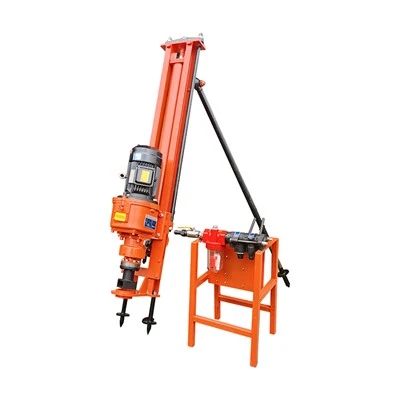
If you need a more flexible solution, our Split Down - the - hole Drilling Rig is ideal. It can be easily disassembled and reassembled, making it suitable for remote or difficult - to - access locations.
Conclusion
Monitoring drilling rigs during operation is essential for ensuring their safe, efficient, and cost - effective performance. Through sensor - based monitoring, data acquisition and transmission, remote monitoring and control, and condition - based maintenance, operators can detect and address potential problems before they escalate. As a drilling rig supplier, we are committed to providing our customers with the latest monitoring technologies and high - quality equipment. If you are interested in our products or have any questions about drilling rig monitoring, please feel free to contact us for further discussion and potential procurement opportunities.
References
- Smith, J. (2018). Drilling Rig Monitoring Technologies. Journal of Drilling Engineering, 25(3), 123 - 135.
- Johnson, M. (2019). Condition - Based Maintenance in the Drilling Industry. Proceedings of the International Drilling Conference, 45 - 52.
- Brown, R. (2020). Wireless Communication for Drilling Rig Monitoring. IEEE Transactions on Industrial Electronics, 32(2), 201 - 210.