water well drilling rig, drilling depth problems, cannot reach target depth, borehole collapse, DTH drilling, mud pump, air compressor for drilling, drilling tools, hard rock drilling, well drilling troubleshooting
Many new drilling rig owners encounter the same problem:
"Why can't my water well drilling rig reach the target depth?"
Although buyers often suspect the rig itself, the real reasons are usually related to formation conditions, tool selection, circulation power, operator skill, and maintenance. This guide-written from the perspective of a newcomer learning the industry-explains every common cause in simple, professional language and provides practical troubleshooting solutions.
1. Formation Conditions Decide the Real Drilling Depth
In the world of water well drilling, geology is the number one factor that determines whether a rig can achieve the required depth.
Common formations that restrict drilling:
Loose sand → easy collapse
Gravel layers → deviation and high wear
Basalt / granite → extremely slow penetration
Karst structures → voids and lost circulation
Clay swelling layers → bit jamming and stuck rods
Even a high-performance water well drilling rig will struggle if the ground formation is complex without the correct tools and techniques.
2. Rated Depth Is Not the Same as Actual Depth
Many first-time buyers misunderstand the meaning of rated drilling depth.
Rated depth is based on:
Ideal soil conditions
Smaller hole diameter
High-capacity compressor or mud pump
Skilled operators
Continuous drilling without interruptions
Real drilling depth depends on:
Geological hardness
Hole size
Drilling method (DTH / mud rotary)
Air volume & pressure
Stability of circulation
Operator experience
For example, a 260m water well drilling rig may reach:
220–260m in soft formations
150–180m in mixed formations
120–160m in hard rock
This is industry-standard performance- not a machine defect.
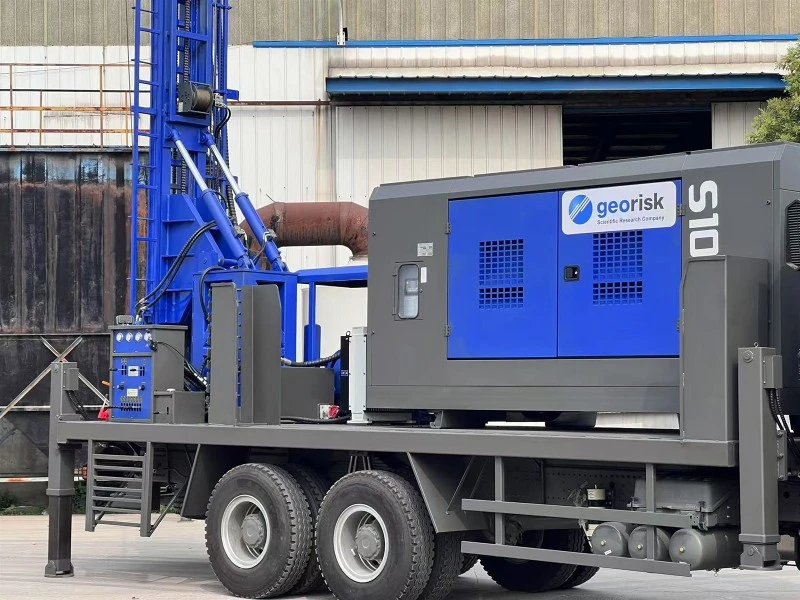
3. Circulation Power Is Not Enough (Mud Pump or Compressor)
In both DTH drilling and mud rotary drilling, insufficient circulation is one of the most common depth-limiting factors.
3.1 Mud Rotary Drilling Problems
Mud too thin → well collapse
Weak mud pump → cannot remove cuttings
Wrong mud mixture → low lubrication
Lost circulation → hole instability
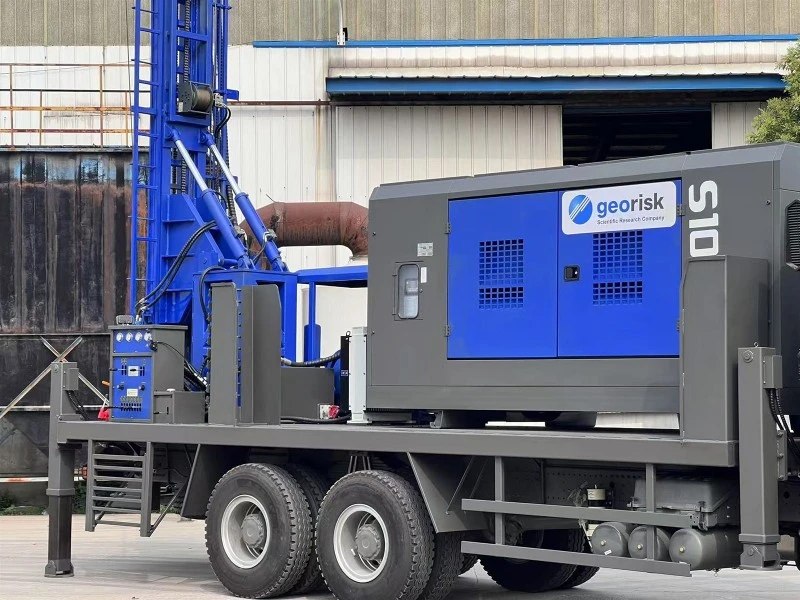
3.2 DTH Air Drilling Problems
Low pressure → hammer stops striking
Small air volume → cuttings accumulate
Big pressure drop at deeper levels
Overheating → bit failure
Without enough circulation power, drilling naturally stops long before reaching the target depth.

4. Wrong or Worn-Out Drilling Tools
The performance of drilling tools is directly linked to the actual drilling depth.
Typical tool-related causes:
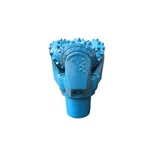
Drill bit is worn and cannot bite rock
Wrong bit type used for hard rock
Low-quality drill rods bend or break
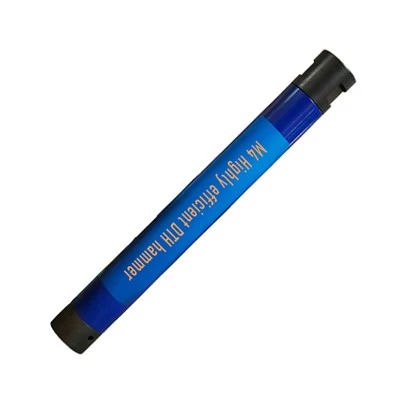
DTH hammer does not match compressor size
Reamer too large for the rig's torque
Stabilizers not used → hole deviation
Many depth problems are solved instantly after changing the correct bit or hammer.
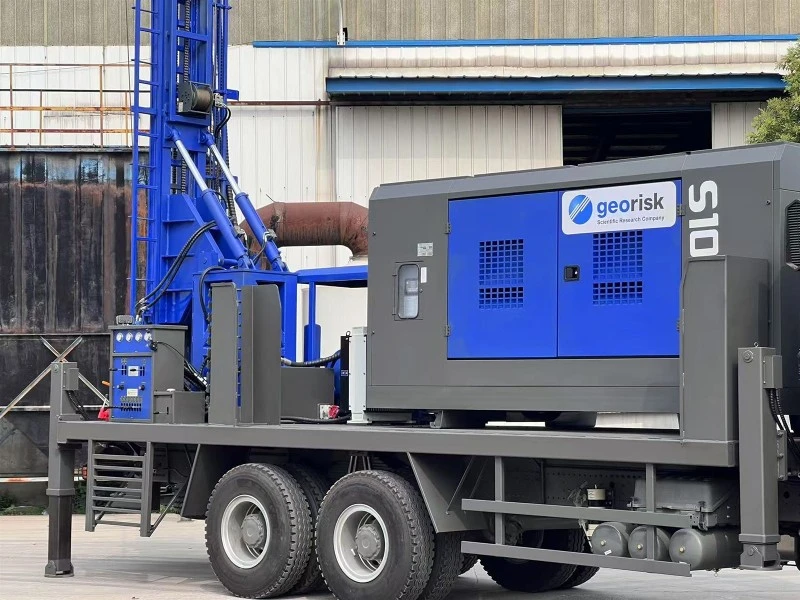
5. Operator Skill Strongly Affects Drilling Depth
Even with a powerful water well drilling rig, inexperienced operation can cause drilling depth failure.
Skilled operators will adjust:
Weight on bit
Rotation speed
Drilling pressure
Mud density
Air consumption
Deviation control
Drilling rhythm in mixed layers
A professional operator can drill 20–40% deeper with the same rig compared to an inexperienced one.
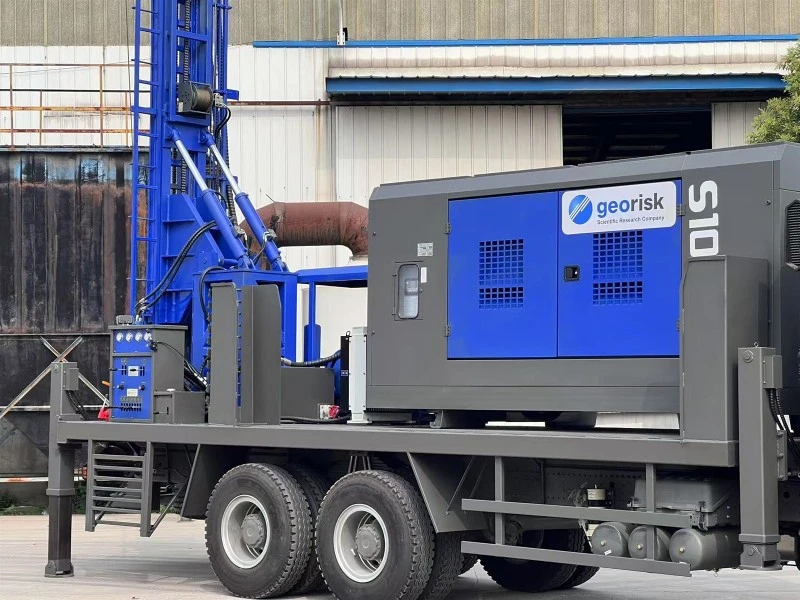
6. Poor Maintenance Limits Drilling Depth
Many new users overlook the importance of daily maintenance, but it is crucial for reaching target depth.
Common maintenance-related issues:
Dirty air filters → pressure loss
Old engine oil → low output power
Hydraulic leaks → weak lifting and rotation
Worn seals → low pullback force
Loose hose joints → air leakage
Unlubricated hammer → striking disruption
A well-maintained machine always drills deeper and more efficiently.
Conclusion: Drilling Depth Problems Are System Problems, Not Machine Problems
After stepping into this industry and learning from countless real drilling cases, I understood:
A water well drilling rig cannot reach target depth not because of the rig itself, but because the entire drilling system is not matched correctly.
To reach full depth, you must optimize:
Formation evaluation
Rig capacity
Mud pump or compressor
Drilling tools
Operator skills
Maintenance practices
When these elements work together, drilling depth improves dramatically.
Free Troubleshooting Support
If your water well drilling rig cannot reach the target depth, I can help you analyze the cause based on real drilling experience.
Send me:
Rig model
Target depth
Ground formation
Drilling method
Tools used
Compressor / mud pump details
Site photos or short video
You will receive a fast and professional diagnosis with recommended solutions.