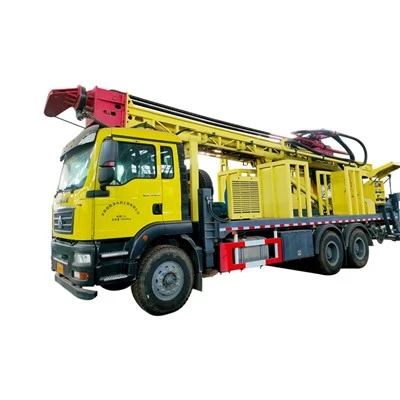
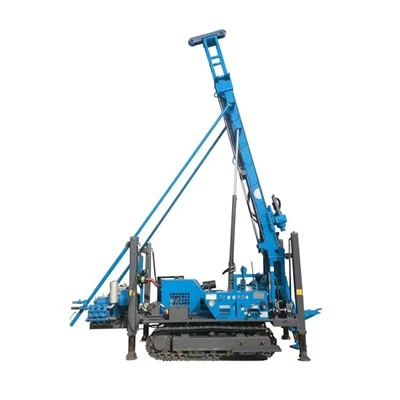
A Practical, Field-Based Guide for Better Wells and Higher Drilling Efficiency
Drilling a productive and long-lasting water well takes far more skill than simply lowering a drill pipe into the ground. Each drilling site has unique geological challenges-layer transitions, unpredictable pressure zones, and varying rock hardness. Even experienced drillers face problems when using the wrong drilling method or poorly matched equipment.
Many articles online list "common drilling mistakes," but they repeat the same generic points.
This guide takes a real field-engineering perspective, sharing the top 10 water well drilling mistakes and how to avoid them, helping you increase efficiency, protect your water well drilling rig, and achieve better water output for customers.
Throughout this guide, we also provide recommended internal resources on rig selection, drilling technology, and well construction best practices to help you dive deeper into each topic.
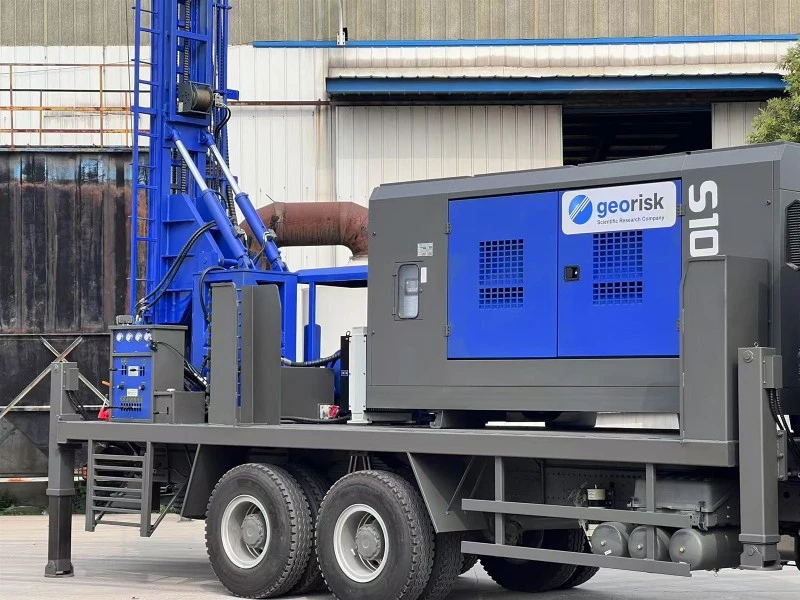
1
Starting Without a Geological Survey
Skipping a basic geological investigation is the single most expensive mistake in water well drilling.
Common Consequences
Unexpected hard rock slows progress and breaks drill bits
Soft formations collapse the borehole
Misjudging the water layer leads to poor yield
Wrong drilling method chosen (e.g., DTH in clay)
How to Avoid It
Review nearby well logs
Conduct simple resistivity or soil testing
Confirm formation type: clay, sand, gravel, rock, or mixed
Match the geology with the right water well drilling rig
Recommended Resource:
👉 Explore our full range of Water Well Drilling Rigs → /water-well-drilling-rig/
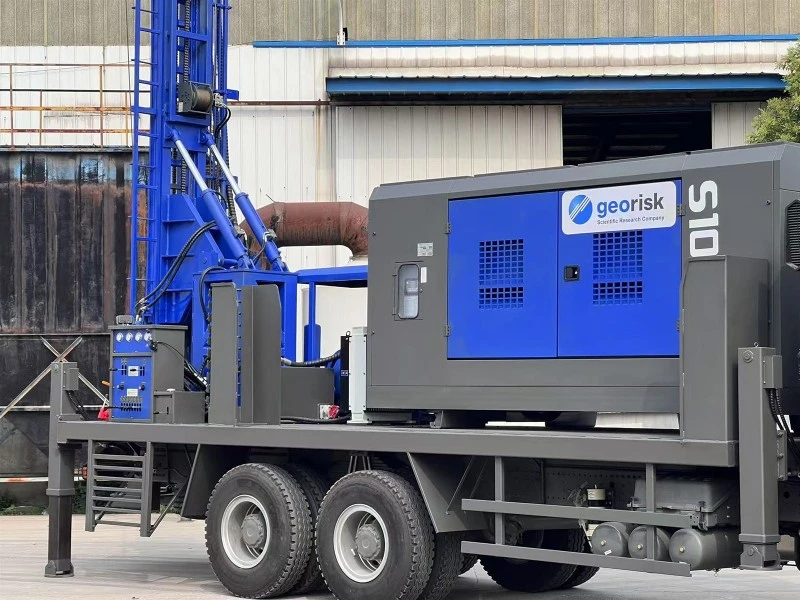
2
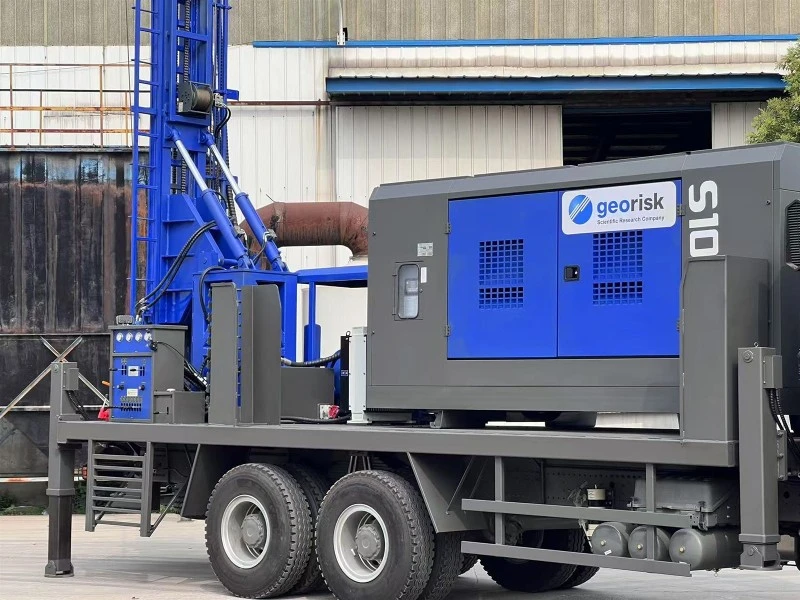
Choosing the Wrong Drilling Rig
No single rig can handle every formation. Using the wrong rig leads to slow penetration, equipment stress, and excessive fuel consumption.
Rig Selection Guidelines
DTH Drilling Rig → basalt, granite, hard rock
Mud Rotary Rig → clay, silt, collapsing soft layers
Reverse Circulation Rig → large-diameter industrial wells
Core Drilling Rig → geological sampling & exploration
Why This Matters
The correct water well drilling rig increases penetration rate, reduces fuel cost, and ensures successful casing installation.
Related Reading:
👉 How to Choose the Right Water Well Drilling Rig →
3
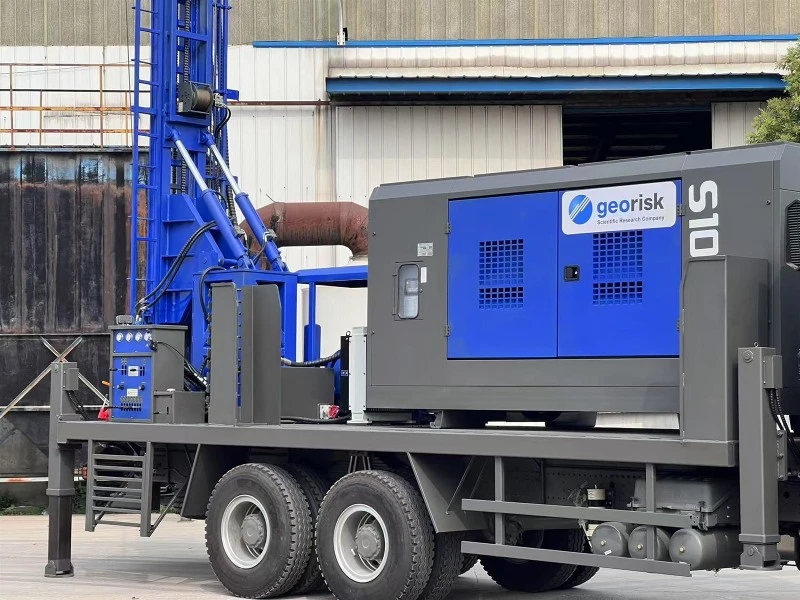
Poor or Late Casing Installation
Casing protects the well for decades. If installed poorly or too late, the well may collapse or produce sand.
Common Casing Errors
Using thin pipes for deep wells
Misalignment that stresses the pump
No gravel pack around the screen
Installing casing after the hole collapses
How to Avoid It
Install casing immediately after passing unstable zones
Use heavy-duty threaded or welded casing
Use gravel-packed screens in loose formations
Keep the hole plumb using an inclinometer
4
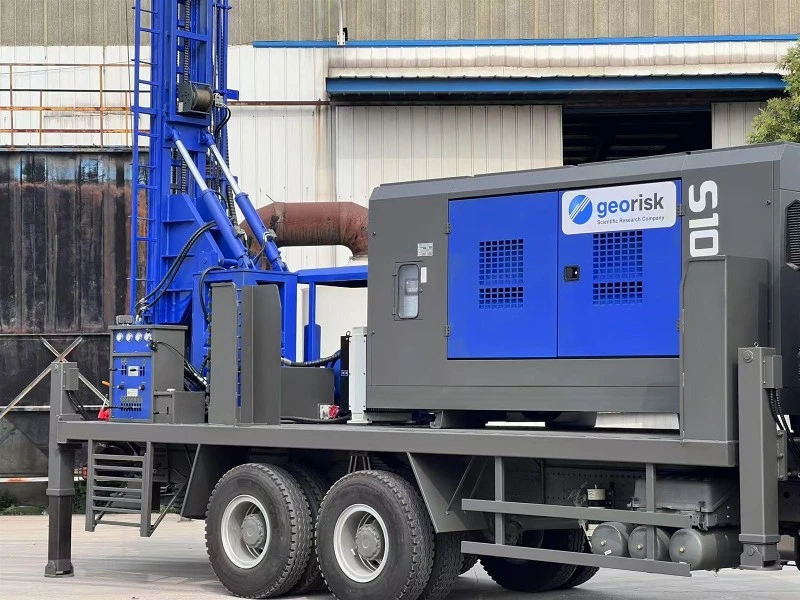
Incorrect Mud Mixing or Poor Circulation
Drilling mud acts as the "blood system" of water well drilling. Wrong viscosity or contaminated mud can ruin the borehole.
Common Mistakes
Using dirty river water as drilling fluid
Too thick mud → slow penetration
Too thin mud → hole collapse
No desander → circulating cuttings damage the pump
Avoid It By
Maintaining proper viscosity (40–60 sec Marsh funnel)
Using polymer or bentonite for soft formations
Adding a desander to your mud system
Checking mud parameters every few meters
Related Product:
👉 Mud Pumps & Circulation Systems → /mud-pump/
5
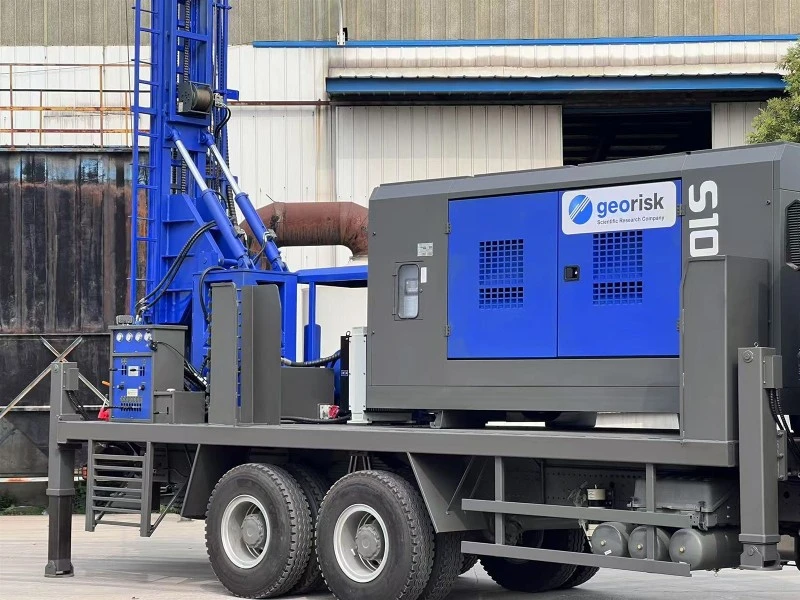
Wrong Drill Bit Selection
A drill bit matched to the wrong formation wastes time and fuel.
Choose Bits Based on Formation
Drag Bit → soft clay
Tricone Bit → mixed formations
DTH Bit → hard rock
Hole Opener → enlarging boreholes before casing
Recommended Tool:
👉 DTH Hammer & Button Bits → /dth-hammer/
6
Underpowered or Mismatched Air Compressor
Air volume and air pressure are the heart of DTH drilling. Many operators underestimate compressor requirements.
Common Air Problems
Pressure drops after 80–120 meters
Cuttings cannot be lifted out
Drill string gets stuck
Slow penetration in rock
Correct Compressor Guidelines
13–17 bar → shallow wells
17–25 bar → deep rock wells
900–1500 cfm → efficient hole cleaning
Related Resource:
👉 High-Pressure Air Compressors for Drilling → /air-compressor-for-drilling/

7
Over-Drilling Soft Layers at High Speed
Pushing the rig too hard in sand or gravel causes borehole instability.
Mistakes to Avoid
Excessive RPM
High WOB (weight on bit)
Not reducing speed when entering loose layers
Better Practice
Slow down and stabilize the hole
Use mud rotary temporarily
Increase mud viscosity to support the wall
8
Poor Daily Maintenance of the Drilling Rig
Most drilling downtime is caused by preventable maintenance failures.
Typical Neglected Tasks
Forgetting to lubricate moving parts
Ignoring hydraulic leaks
Running compressor with low lubrication
Using worn drill pipes with micro-cracks
Prevent Problems By
Following a daily checklist
Replacing filters on schedule
Tightening bolts before every shift
Monitoring pressure gauges closely

9
Insufficient Water Testing After Drilling
Testing is often rushed, but it determines long-term well performance.
Testing Requirements
2–4 hour pumping test
Measure turbidity
Check mineral levels (iron, manganese)
Disinfect the well before handover

10
Ignoring Basic Safety Protocols
Safety reduces equipment loss and protects crew members.
Best Safety Practices
Level the rig before drilling
Keep helpers away from rotating drill rods
Wear gloves, helmets, and masks
Ensure stable ground under the rig
Isolate compressor hoses and exhaust zones
Conclusion: Better Decisions Lead to Better Wells
Avoiding these top 10 mistakes helps you drill faster, reduce fuel costs, protect equipment, and deliver stable wells with high water yield. Whether you're drilling a 100 m farm well or a 500 m industrial project, using the right water well drilling rig, proper drilling methods, and quality tools will dramatically improve your success rate.
If you need rigs for deep wells, soft soil, reverse circulation, or geological exploration, check our recommended categories and solutions below.
Common Questions About Water Well Drilling Mistakes
Q: What is the biggest mistake in water well drilling?
A: Starting drilling without understanding the geology. This leads to stuck pipes, slow penetration, and choosing the wrong rig or bit.
Q: How do I choose the right water well drilling rig?
A: Base your selection on:
Formation type Maximum
depth Borehole diameter
Required air or mud system
A: The main reasons include collapsing formations, insufficient mud viscosity, low air pressure, and over-drilling soft layers.
Q: Why does my well produce sand?
A: Due to poor casing, wrong gravel pack, or wrong screen size. Always install casing early in unstable formations.
A: Not always. You need a balance of pressure (bar) and air volume (CFM) depending on depth and formation.
Q: How can I reduce drilling cost on deep wells?
A: Use the right drilling rig, high-quality bits, and keep your compressor and mud pump properly maintained.
Q: What water tests should be done after drilling?
A: Minimum tests: pumping test, turbidity, pH, hardness, iron levels, and disinfection.
Q: How do beginners avoid the most common mistakes?
A: Study local geology, choose the correct rig type, use proper casing, keep accurate drilling records, and test water output properly.