Meta Description
- how to choose the right DTH hammer
- high pressure DTH hammer
- low pressure DTH hammer
- drilling diameter
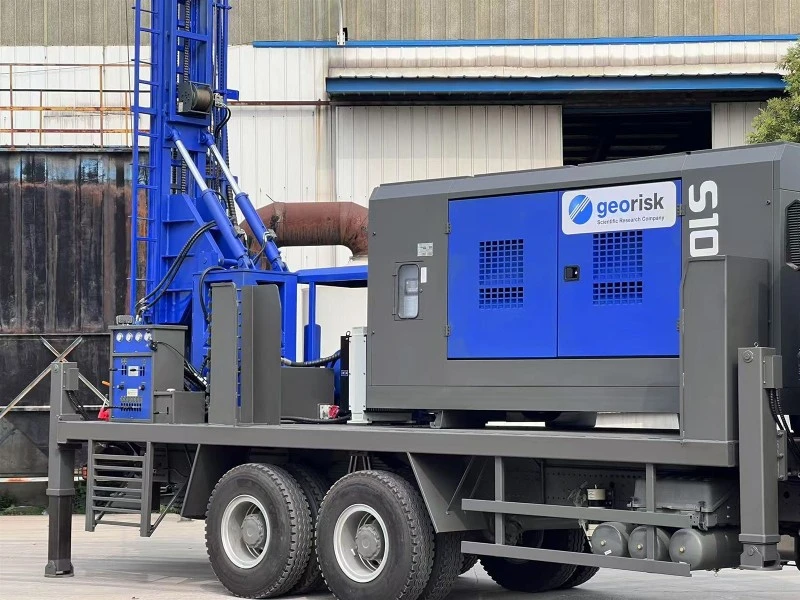
Choosing the right DTH hammer (Down-the-Hole Hammer) is essential for achieving faster penetration, longer equipment life, and lower operational costs. With different geological conditions, hole sizes, and air pressures, selecting the correct hammer can significantly influence drilling efficiency and overall project performance.
Below is a complete, practical guide to help you select the best hammer for your drilling application-whether for water wells, mining, quarrying, geothermal wells, or construction foundations.
Learn More About DTH Hammer Technology
To help buyers and engineers deepen their understanding, here are essential reading resources related to medium-pressure hammers:
Related Technical Articles
What Is a DTH Hammer and How It Works?
Understand airflow, energy transfer, and the internal impact mechanism.
DTH Hammer Maintenance Guide
Field-proven steps to extend service life and reduce drilling cost.
1. Identify Your Formation Hardness
Rock hardness is the first and most important factor when choosing a DTH hammer.
Soft to Medium Rock (≤100 MPa) → Low-Pressure DTH Hammer
Best for:
Water well drilling
Soil, clay, weathered rock
Shallow construction drilling
Medium to Hard Rock (80–180 MPa) → Mid-Pressure DTH Hammer
Balanced cost and performance, ideal for:
Geothermal drilling
Construction & foundation drilling
Small open-pit mining
Hard to Ultra-Hard Rock (≥150 MPa) → High-Pressure DTH Hammer
Provides the highest impact energy and best penetration speed.
Suitable for:
Granite, basalt, hard limestone
Mining & quarry blasting
Deep foundation drilling
Every hammer corresponds to a specific bit diameter range.
| Hammer Category | Typical Bit Size | Application |
|---|---|---|
| Low-pressure | 65–120 mm | Water wells, soft rock |
| Mid-pressure | 90–150 mm | Construction, geothermal |
| High-pressure | 110–254 mm | Mining, hard rock |
If you already know your hole diameter, choose the hammer series that covers that bit range.
3. Match Hammer Air Pressure and Air Consumption
Your air compressor must match the hammer's needs. Otherwise, penetration will drop by 30–70%.
Example (High Pressure Series):
DHD350 → 9–15 m³/min
DHD360 → 20–28 m³/min
DHD380 → 26–34 m³/min
If your compressor cannot provide enough volume, move to a lower-pressure hammer.
Most DTH hammers work best at 20–60 rpm.
Your rig must provide:
Sufficient rotation torque
Proper rod thread type (API REG or DHD/CIR/etc.)
Adequate weight-on-bit (WOB)
If rotation is too fast, deviation occurs; too slow, penetration drops.
Hammer performance is heavily influenced by its shank type.
Common shanks:
DHD Series → heavy-duty, mining-grade
CIR Series → budget-friendly, low/mid pressure
QL/SD/BR → various regional standards
Rule of thumb:
Match hammer → match bit shank → match project requirements.
High-pressure hammers cost more but drill faster in hard rock.
Low-pressure hammers are cheaper and ideal for shallow/light drilling.
To keep cost-per-meter low:
Use the correct pressure
Use correct lubrication
Choose high-quality bits with premium carbides
A good hammer provides:
Stable piston design
Efficient air path
Premium alloy steel
Long mean-time-between-failure (MTBF)
Easy maintenance structure
Dminingwell hammers are engineered for:
Hard rock impact optimization
Fuel savings
Strong fatigue resistance
Long service life in mining environments
8. Summary: Quick Selection Table
| Condition | Recommended Hammer |
|---|---|
| Soft/Medium soil & rock | Low-pressure |
| Mixed formations | Mid-pressure |
| Hard granite / mining | High-pressure |
| Hole size 65–120 mm | Low-pressure |
| Hole size 90–150 mm | Mid-pressure |
| Hole size 110–254 mm | High-pressure |
Conclusion
Selecting the right DTH hammer ensures higher penetration, longer tool life, and lower operating costs.
Whether you are drilling wells, mines, quarries, or foundations, choosing the correct pressure level, hole size, and compressor match will significantly improve performance.