How Proper Water Well Drilling Rigs Prevent Sand Production
Sand control begins with the right drilling rig, not after the well is completed.
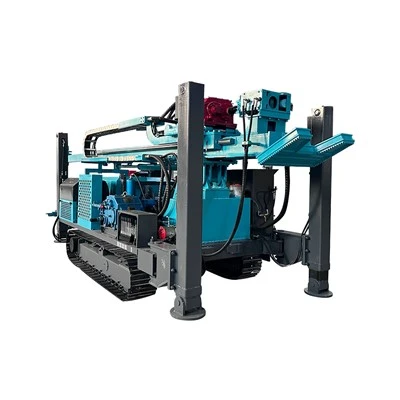
A properly designed water well drilling rig plays a critical role in maintaining borehole stability and minimizing sand production.
Why Drilling Rigs Matter in Sand Prevention
Modern water well drilling rigs are engineered to:
Control drilling speed precisely
Maintain stable borehole diameter
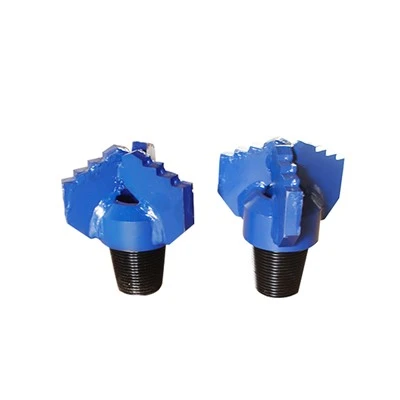
Support different drilling methods based on geology
A mismatch between rig capability and formation conditions often leads to sand problems.
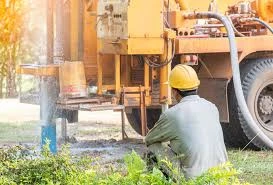
Drilling Rigs and Formation Stability
Reverse Circulation Drilling Rigs
Reverse circulation (RC) drilling rigs are widely used in sand-prone formations because they:
Stabilize the borehole
Reduce formation disturbance
Minimize fine sand migration
RC drilling is especially effective for deep wells and loose formations.
Air DTH Drilling Rigs
Air drilling offers high efficiency but requires:
Accurate pressure control
Experienced operation
Proper follow-up sand control measures
When correctly applied, air DTH rigs can still achieve stable, low-sand wells.
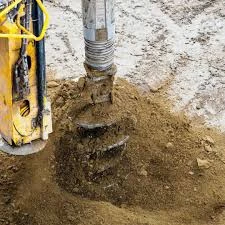
Key Rig Features That Reduce Sand Production
A professional water well drilling rig should include:
Stable rotary and feed systems
Adjustable drilling parameters
Compatibility with well screens and gravel packing
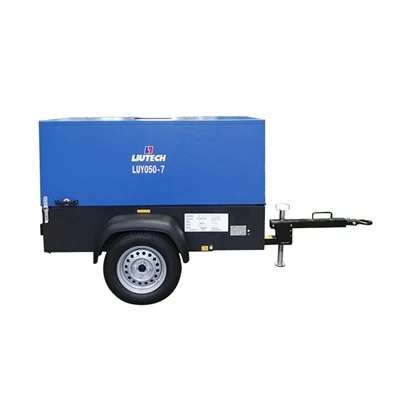
Reliable power output for consistent drilling
Rig stability directly affects well quality.
Selecting the Right Rig for Sand-Free Wells
Rig selection should be based on:
Drilling depth
Formation type
Required borehole diameter
Planned sand control measures
One rig does not fit all formations.
Related Reading
How to Fix a Sand-Producing Water Well After Drilling
Get a Rig Recommendation
Contact us with your drilling depth and geological conditions - we recommend a suitable water well drilling rig for your project.