Many drilling contractors use DTH rigs every day - but few fully understand how the system actually works.
And that misunderstanding often leads to one major problem:
Choosing the wrong diesel screw air compressor.
In this article, we will clearly explain:
How DTH drilling works step by step
What role compressed air plays
Why pressure and air flow are critical
And how wrong compressor matching reduces drilling efficiency
If your drilling is slow, you may also want to read:
👉 Why Your DTH Drilling Is Slow - 90% of the Time, the Diesel Screw Air Compressor Is Wrong
What Is DTH Drilling?
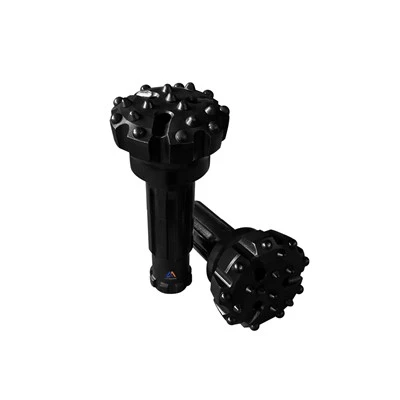
DTH (Down-The-Hole) drilling is a percussion drilling method where the hammer is located directly behind the drill bit at the bottom of the hole.
Unlike top hammer drilling, the impact energy is delivered directly to the rock face.
Main components:
Drill rig (rotation + feed system)
Drill pipes
DTH hammer
Drill bit
Diesel screw air compressor
Among these, the air compressor is not just a support unit.
It is the power source of the entire hammer system.
Step-by-Step: How DTH Drilling Works
Step 1: Compressed Air Is Generated
A diesel screw air compressor produces:
High pressure (typically 14–25 bar)
Large air flow volume (10–30 m³/min depending on application)
This compressed air travels through the drill pipes down to the hammer.
Without sufficient air supply, nothing works properly.
Step 2: Air Drives the Hammer Piston
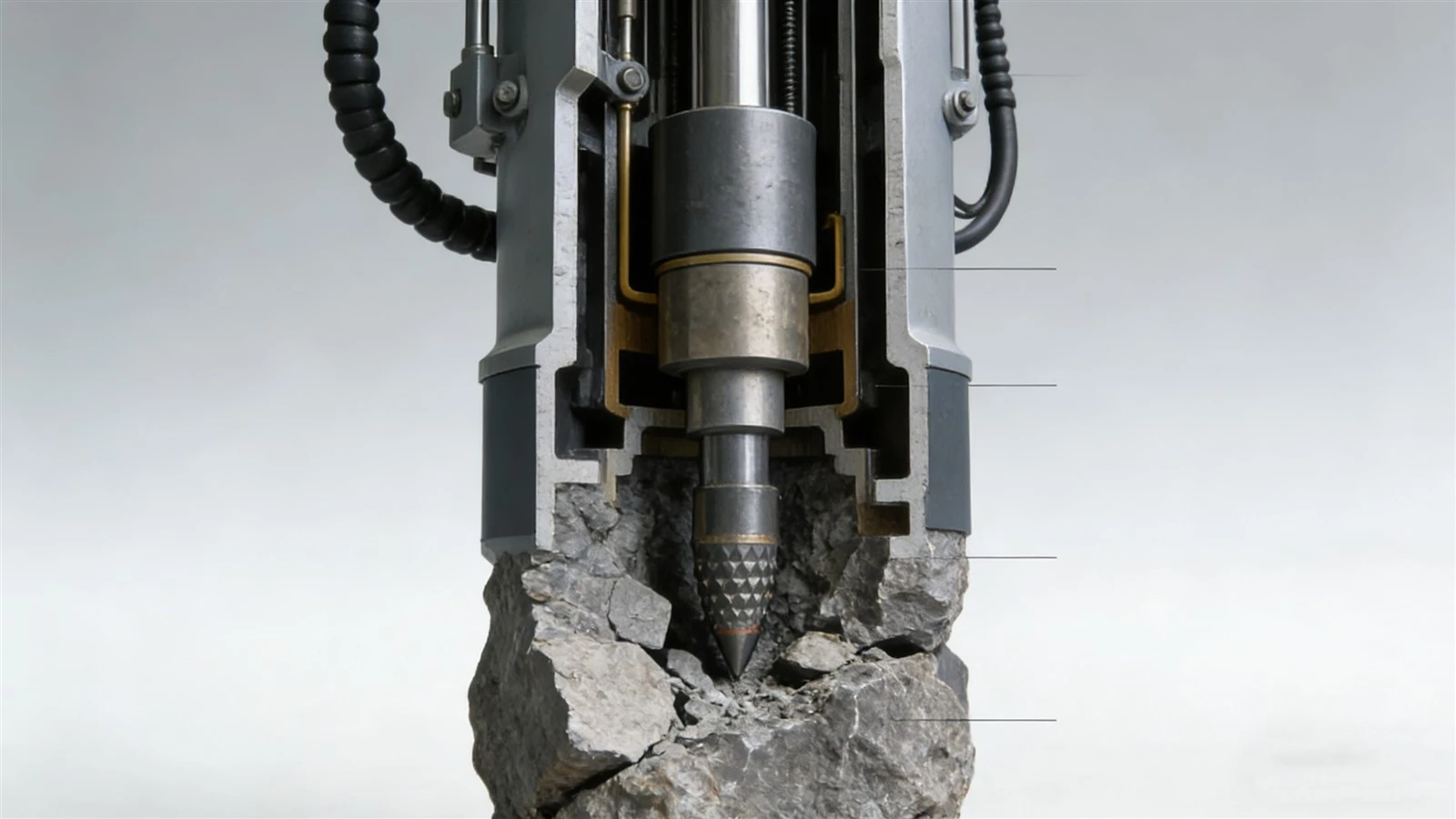
Inside the DTH hammer:
Compressed air pushes a piston up and down
The piston strikes the drill bit
The drill bit crushes the rock
This cycle happens hundreds to thousands of times per minute.
The key point:
Impact force depends directly on air pressure and air volume.
Low pressure = weak impact
Low air flow = reduced impact frequency
Step 3: Air Removes Rock Cuttings
After impact:
Crushed rock particles must be flushed out
Compressed air lifts cuttings up the hole
If air flow is insufficient:
Cuttings accumulate
Re-grinding occurs
Drilling slows down
Bit wear increases
This is one of the most common hidden causes of slow penetration.
(We explain this problem in detail here:
👉 Why Your DTH Drilling Is Slow - 90% of the Time, the Diesel Screw Air Compressor Is Wrong)
Why Air Pressure and Air Flow Both Matter
Many buyers only look at pressure (bar).
That is a mistake.
You need BOTH:
Correct working pressure
Sufficient air flow at that pressure
For example:
| Hammer Size | Typical Pressure | Required Air Flow |
|---|---|---|
| 3 inch | 14–15 bar | 6–8 m³/min |
| 4 inch | 15–17 bar | 10–13 m³/min |
| 5 inch | 17–20 bar | 14–18 m³/min |
| 6 inch | 20–25 bar | 18–25 m³/min |
If you use:
14.5 bar compressor for 5 inch hammer
Or 12 m³/min air flow for 6 inch hammer
Drilling will be slow - even if the rig and hammer are new.
Why Only Diesel Screw Air Compressors Work for DTH
DTH drilling requires:
Continuous high air flow
Stable pressure under heavy load
Long operating hours in field conditions
This is why the industry standard is:
Diesel mobile screw air compressors
Piston compressors cannot provide:
Stable high flow
Continuous heavy-duty operation
Proper flushing capacity
Using the wrong compressor type leads to:
Slow drilling
High fuel cost
Hammer overheating
Frequent downtime
What Happens When the Compressor Is Undersized?
When compressor capacity is insufficient:
Hammer impact becomes weak
Drilling speed drops with depth
Cuttings are not removed effectively
Fuel cost per meter increases
Bit life shortens
Many contractors mistakenly blame:
The drill rig
The hammer brand
The bit quality
But in reality, the air supply is the root cause.
(See detailed analysis here:
👉 Why Your DTH Drilling Is Slow - 90% of the Time, the Diesel Screw Air Compressor Is Wrong)
The Real Formula for Efficient DTH Drilling
Efficient drilling depends on matching:
Hammer size
Drilling depth
Rock hardness
Required air pressure
Required air flow
Compressor capacity
When matched correctly:
Penetration rate increases
Fuel cost per meter decreases
Bit life extends
Project timeline shortens
In DTH water well drilling:
The diesel screw air compressor is not an accessory.
It is the engine of the hammer system.
If your drilling is slow, unstable, or fuel-consuming,
before changing rigs or hammers -
Check the air.
And if you are unsure whether your compressor matches your hammer size and drilling depth, feel free to contact us with:
Hammer size
Target depth
Rock condition
Current compressor model
We can help you confirm whether your air system is correctly matched.