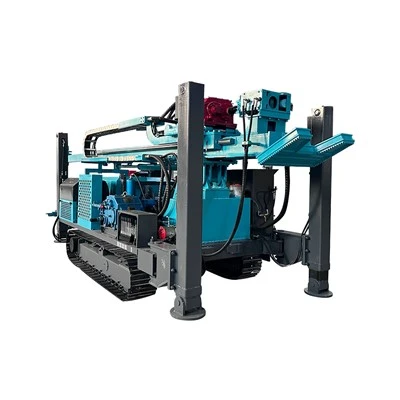
In DTH water well drilling, most performance problems are not caused by the rig.
They are caused by the wrong diesel screw air compressor.
If your drilling is:
- Slow at deeper levels
- Consuming too much fuel
- Causing unstable hammer performance
- Wearing bits too fast
The real issue is usually air pressure and air flow mismatch.
This guide will help you fix that.
⚠ Why 70% of DTH Projects Use the Wrong Compressor
Most buyers choose compressors based only on:
- "Bar looks enough"
- "Supplier said OK"
- "Price is cheaper"
But they ignore:
- Real hammer air consumption
- Depth pressure loss
- Rock hardness
- Safety margin
Undersized compressor = slow penetration + high cost per meter.
Before changing your rig or hammer, read this.
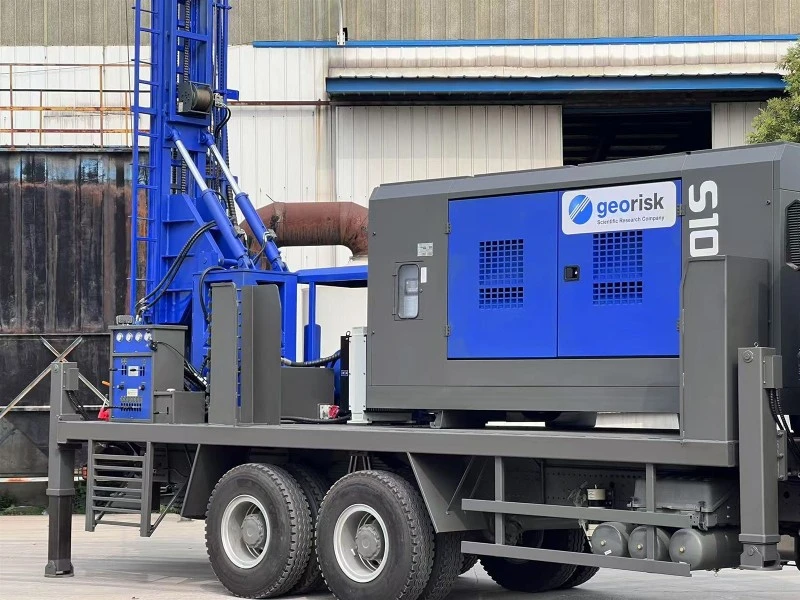
Step 1 - Understand How DTH Drilling Actually Works
Your hammer does not run on the drill rig.
It runs on compressed air.
The diesel screw air compressor:
✔ Drives the piston
✔ Controls impact force
✔ Determines impact frequency
✔ Flushes rock cuttings
If air is insufficient, performance drops immediately.
👉 Read: How DTH Drilling Actually Works
Step 2 - Diagnose Why Your Drilling Is Slow
If drilling speed decreases with depth, the problem is usually:
Insufficient air flow
Pressure drop
Compressor too small
Many contractors replace bits or hammers - but the real cause is air supply.
👉 Read: Why Your DTH Drilling Is Slow - 90% of the Time, the Diesel Screw Air Compressor Is Wrong
Step 3 - Calculate the Correct Air Requirement
Professional matching requires calculation:
Hammer size
Required working pressure
Air consumption at pressure
Depth correction factor
Safety margin
Minimum rule:
Compressor rated flow ≥ 120% of hammer air consumption at working pressure.
👉 Read: How to Calculate Air Requirement for Your DTH Hammer
🚨 The Real Cost of Using the Wrong Compressor
An undersized compressor may save $3,000 at purchase.
But it can cause:
- 20–40% slower drilling
- Higher diesel consumption
- More bit replacement
- Longer project timeline
- Lost contracts
Over one project, that loss is much bigger than the compressor price difference.
What We Do Differently
We do not recommend compressors based on guesswork.
We match based on:
- Hammer model
- Target drilling depth
- Hole diameter
- Rock type
- Project duration
This ensures:
✔ Stable drilling speed
✔ Lower fuel cost per meter
✔ Longer hammer life
✔ Higher project profitability
Then we recommend:
Correct pressure range
Correct air flow range
Suitable diesel screw air compressor series
Recommended Diesel Screw Air Compressor Series for DTH Drilling
Choosing the correct pressure range is the first step in matching your DTH hammer.
Below are typical compressor categories used in water well drilling projects.
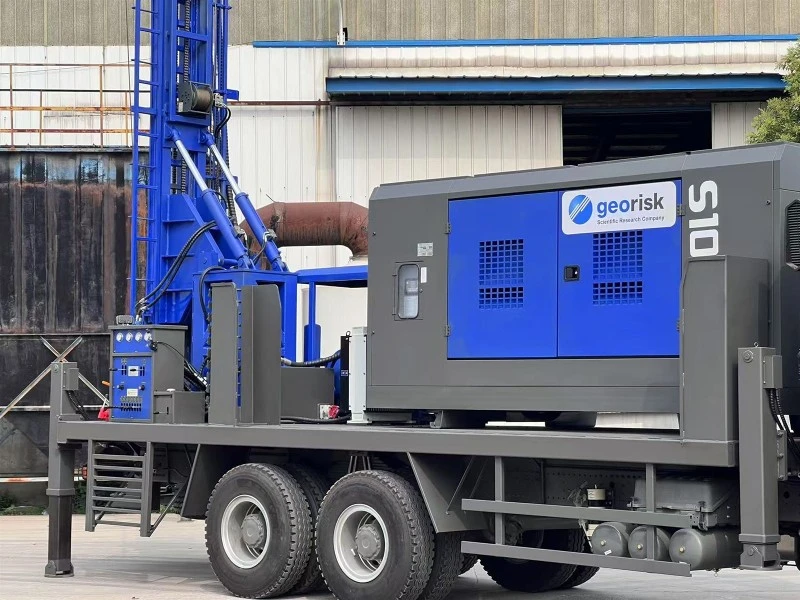
14–15 Bar Series
(Entry-Level & Medium Depth Drilling)
Suitable for:
- 3 inch & 4 inch DTH hammers
- Drilling depth up to 150–200m
- Soft to medium rock formations
- Rural water well projects
Typical air flow range:
10–13 m³/min
Advantages:
✔ Lower fuel consumption
✔ Cost-effective investment
✔ Easy transportation
✔ Suitable for small contractors
Recommended when:
- Budget-sensitive projects
- Standard water well drilling
- First-time DTH contractors
👉 If you are using a 4" hammer and drilling under 200m, this range is usually sufficient.
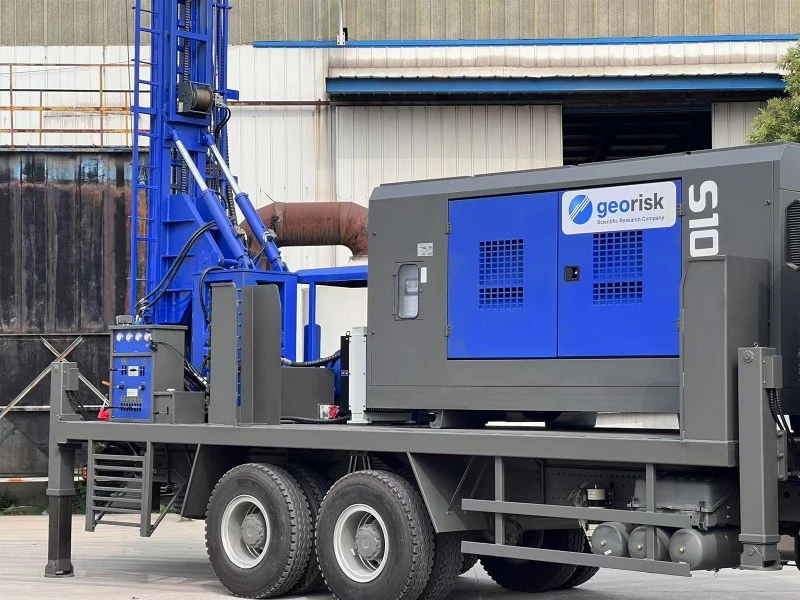
17 Bar Series
(Professional & Deep Drilling Projects)
Suitable for:
- 4 inch & 5 inch DTH hammers
- Drilling depth 200–350m
- Hard rock formations (granite, basalt)
- Commercial water well projects
Typical air flow range:
15–18 m³/min
Advantages:
✔ Faster penetration rate
✔ More stable hammer performance
✔ Better flushing at depth
✔ Lower cost per meter in hard rock
Recommended when:
- Drilling speed is critical
- Projects require deeper holes
- You want higher efficiency per day
👉 Many contractors upgrading from 14.5 bar move to 17 bar for better performance.
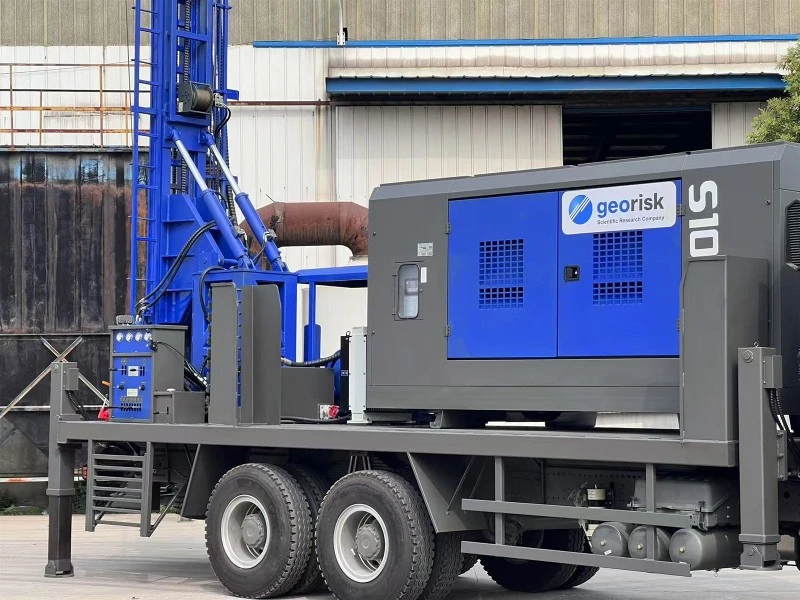
18–20+ Bar High Pressure Series
(Heavy-Duty & Mining Applications)
Suitable for:
- 5 inch & 6 inch DTH hammers
- Depth beyond 350m
- Extremely hard formations
- Mining & blasting applications
Typical air flow range:
18–25 m³/min
Advantages:
✔ Strong impact force
✔ Deep hole stability
✔ High daily output
✔ Suitable for large-scale contractors
Recommended when:
- High production drilling
- Long-term commercial projects
- Demanding geological conditions
How to Choose Between 14.5 Bar and 17 Bar?
Many buyers hesitate here.
Simple rule:
If you are already drilling near the limit of your current compressor,
or penetration drops with depth -
Move to 17 bar.
Higher pressure provides:
Stronger impact energy
Better flushing
Higher productivity
In most hard rock water well projects, 17 bar is the safer long-term choice.
Not Sure Which Series Fits Your Project?
Send us:
- Hammer size
- Target depth
- Rock condition
- Required hole diameter
We will recommend:
- Suitable pressure range
- Required air flow
- Matching diesel screw air compressor series
No over-sizing.
No under-sizing.
Just correct matching.