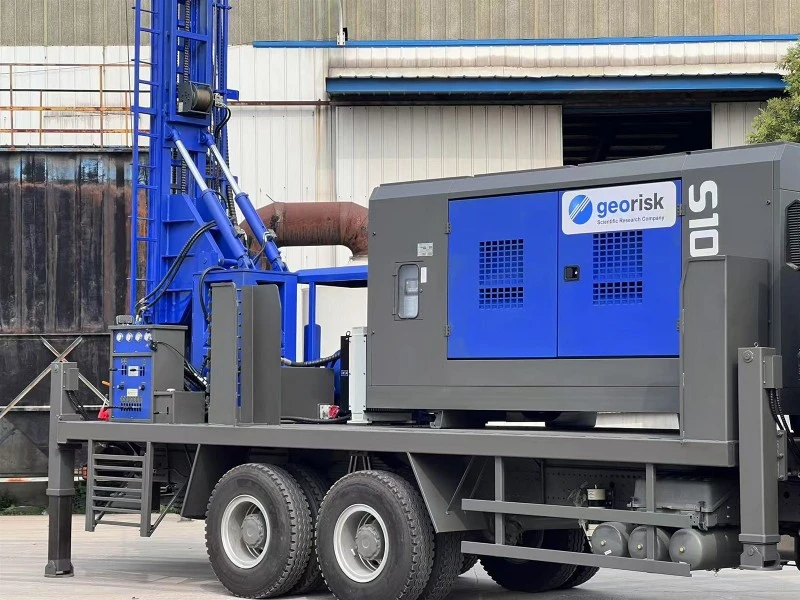
Drilling a water well can seem like a feasible DIY project, especially with the availability of equipment and resources. However, the process is not as simple as it might initially appear. A water well's purpose is to provide clean and sustainable water, but drilling one involves many variables that should be carefully considered. In this paper, we will analyze the feasibility of drilling a water well yourself, focusing on environmental conditions, water quality, intended purpose, cost implications, and the right products for the task.
1. Environmental Factors
The environment in which you plan to drill a well is one of the most important factors in determining whether DIY drilling is viable.
Soil and Terrain: Different terrains (rocky, sandy, clayey, or loose soil) require specific drilling techniques. Drilling through rock or dense soil often demands specialized equipment and expertise.
Groundwater Depth: The depth at which groundwater is located can vary widely. In some regions, water may be easily accessible at shallow depths, while in others, it could be hundreds of feet below the surface. DIY drillers might struggle with deep wells or high water table areas.
Legal and Regulatory Considerations: Before drilling, it's essential to check local laws regarding well construction. Some regions have strict regulations about drilling depth, water rights, and the necessary permits.
Seasonal Factors: Weather conditions such as rain, drought, or freezing temperatures can affect the drilling process. Wet conditions may make it difficult to access certain areas, while freezing ground can cause issues with drilling equipment.
2. Water Quality
The quality of the water you extract from the well is paramount for health and safety.
Contamination Risks: Drilling a well without proper knowledge of the geological composition can result in contaminated water. For example, drilling too close to septic systems or agricultural runoffs can lead to bacterial contamination or harmful chemicals in the water.
Water Testing: Once a well is drilled, water testing is essential to ensure it's free from contaminants like bacteria, nitrates, or heavy metals. Professional services are typically recommended for this, which could add additional costs for a DIY driller.
Filtration Requirements: In some cases, even if the water appears clean, filtration systems may be necessary to improve taste, remove sediment, or soften the water. Without proper equipment, you might not realize the need for advanced filtration, which can lead to problems down the line.

-
3. Purpose of the Well
Understanding the purpose behind drilling the well will guide the drilling process, tool selection, and ongoing maintenance.
Residential vs. Commercial Use: A residential well, typically providing water for drinking, irrigation, or small-scale domestic use, might be feasible to drill yourself. However, commercial wells, which may need to provide a high volume of water, require professional expertise to ensure the well can handle the load.
Irrigation and Livestock: If the well is intended for agricultural use (e.g., irrigation for crops or livestock watering), the needs may be different. The depth and volume of water required will influence the type of drilling equipment necessary.
Emergency Preparedness: For areas prone to water shortages or droughts, having a personal water source is an investment. In these cases, drilling a well can be a long-term solution, but it's important to consider maintenance and water table replenishment over time.
-
4. Cost Analysis
The financial aspect of drilling a well yourself must be carefully considered.
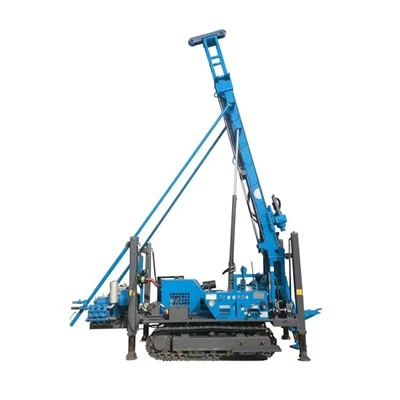
Initial Costs: Drilling equipment, such as a water well drilling rig, can be expensive. Depending on the depth of the well and the terrain, purchasing or renting a drill can be a significant investment.
Tool Rental vs. Professional Services: Renting drilling equipment might be a more affordable option compared to buying the tools outright. However, professional drilling services might save time and effort, with the added benefit of expertise that ensures the job is done safely and correctly.
Ongoing Maintenance: Once the well is drilled, maintenance costs include periodic inspections, cleaning, and possibly re-drilling if the well becomes clogged or water levels drop. This is an ongoing expense to consider when evaluating whether a DIY project is cost-effective in the long run.
Permit and Compliance Costs: Depending on the location, obtaining permits and complying with local regulations can be expensive. It's important to factor in these costs as part of the total project budget.
5. Product Selection and Equipment
Choosing the right tools is essential for a successful DIY water well drilling project.
Manual vs. Powered Drills: Manual drilling tools might be appropriate for shallow wells (less than 30 feet deep) in soft soil, but for deeper wells or harder ground, powered drills or hydraulic rigs are necessary.
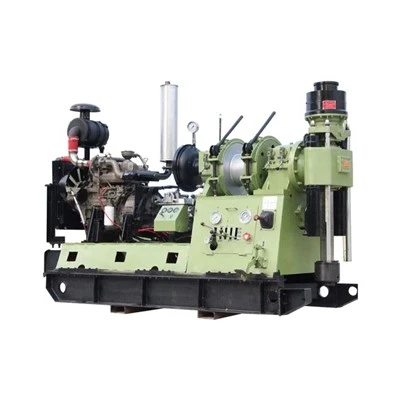
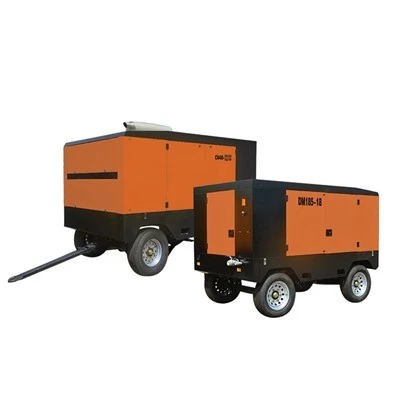
Type of Drilling Rig: Depending on your location and the depth of the well, you may need different types of rigs, such as cable tool rigs, rotary rigs, or air-powered rigs. Each type has its advantages and limitations depending on the terrain.
Drilling Bits and Accessories: The selection of appropriate bits (e.g., auger bits, diamond core bits, etc.) is critical to success. The right bit can significantly impact drilling efficiency and the final quality of the well.
Safety Gear: Drilling a water well is a physically demanding and potentially hazardous activity. Proper safety gear, including helmets, gloves, boots, and eye protection, is essential to prevent accidents.
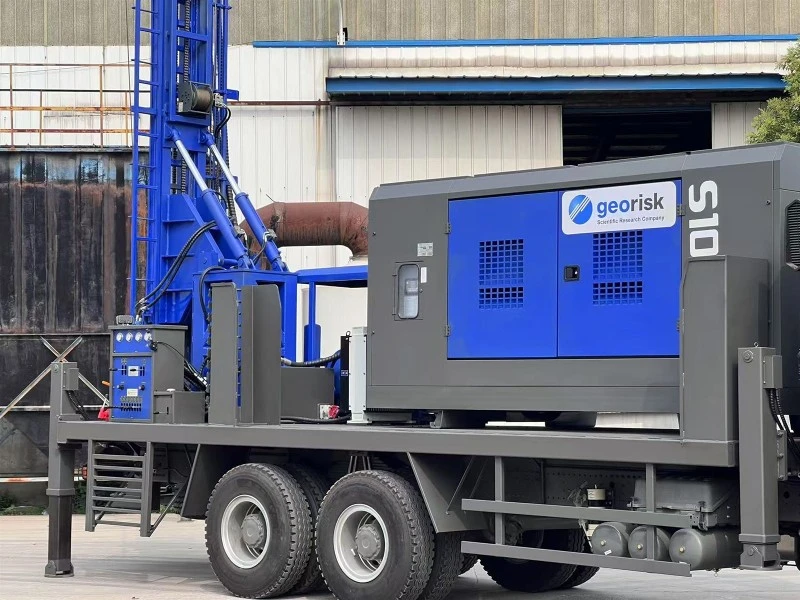
If you intend to conduct small-scale water well drilling or auxiliary operations (such as water exploration, preliminary drilling, maintenance drilling, etc.), the following are some recommended equipment options from an "equipment selection" perspective, which are relatively easy to purchase or operate, along with key selection suggestions and usage environment descriptions. It should be noted that these devices are mostly suitable for shallow wells, soft soil, or auxiliary applications, rather than deep wells or hard rock main drilling rigs. Before selecting equipment, please also consider factors such as drilling method, geological environment, water source depth, and compliance permits.
As mentioned in previous papers, the difficulty of drilling stems from the geological environment (rock/soil/gravel), water/gas conditions, well depth, and operational purpose. Here, equipment selection mainly considers the following dimensions:
Drilling depth and geological hardness: For shallow wells (e.g., within tens of meters, in soft soil or sand layers), simpler equipment can be used; for hard rock or deeper wells, professional drilling rigs are still recommended.
Borehole diameter and purpose: Is it for domestic water intake, irrigation, or monitoring? Different purposes require different diameters and well structures.
Cost and Ease of Operation: Handheld/stand-up/lightweight drilling rigs are inexpensive and require fewer operators, but their capabilities are limited.
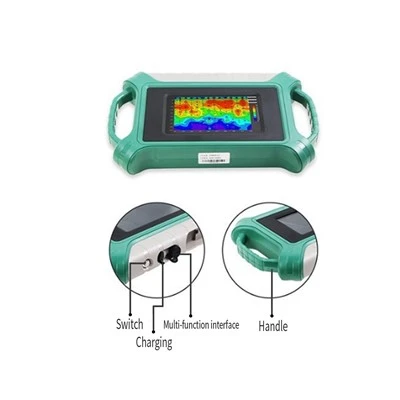
Water Source Locator and Location Equipment: Pre-drilling water level detectors and similar equipment can help determine water levels/paths, reducing blind drilling.
Safety, Compliance, and Environmental Protection: Local well drilling regulations, groundwater protection standards, and waste/mud treatment protocols must be confirmed before use.
In relevant literature, the down-the-hole (DTH) method is widely used in hard rock or deep wells because the impact hammer, positioned behind the drill bit, provides good penetration in hard formations.
Therefore, equipment with DTH functionality is preferred for harder/deeper formations.
Portable Handheld Drill Rigs: Suitable for shallow wells, soft formations, low budget, and flexible operation.
Stand-up/Trolley-type Small Drill Rigs: Suitable for medium depths, harder geological conditions, and larger borehole diameters.
Auxiliary testing equipment (water finder, groundwater level gauge, water pump system): Although not used for direct drilling, these are extremely useful for well feasibility assessment and water level monitoring.
Selection principles: Match the equipment to the "geological difficulty + hole depth + hole diameter + purpose + budget". Don't choose equipment that is insufficient to save money; conversely, don't buy equipment that is too large or far exceeds your needs.
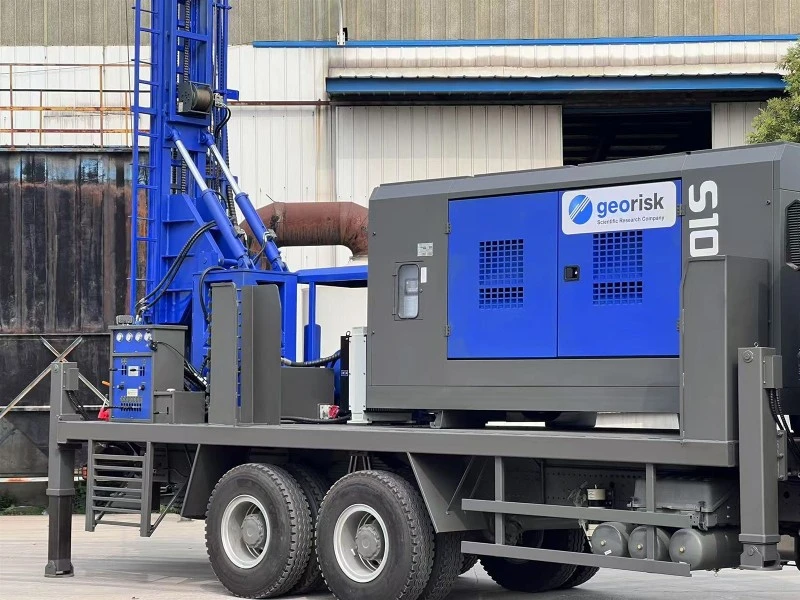
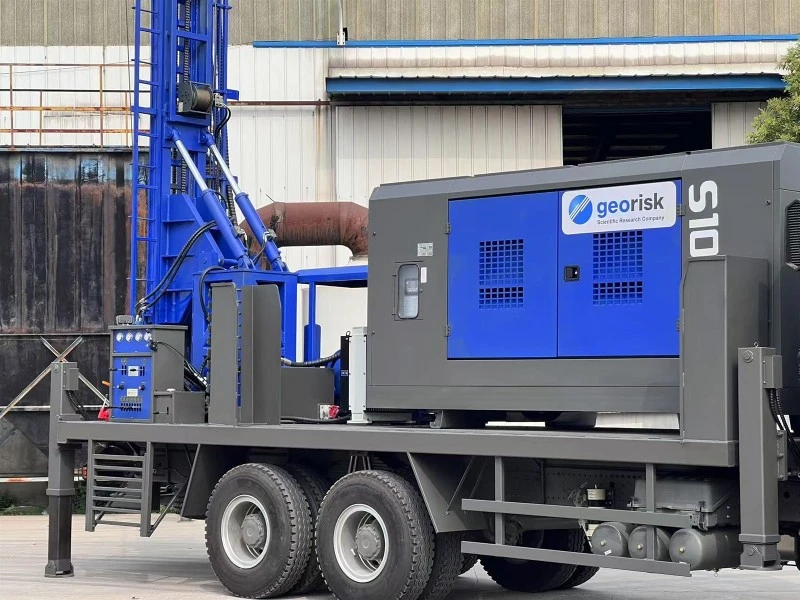
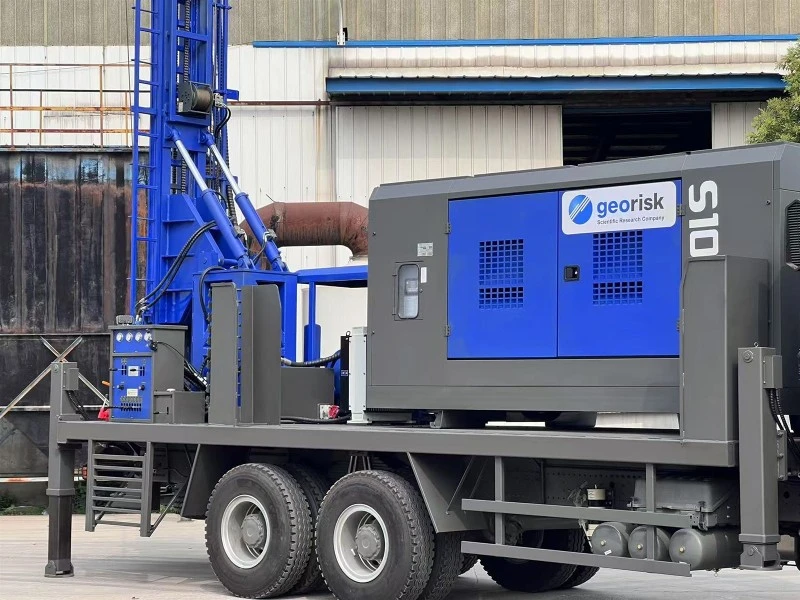
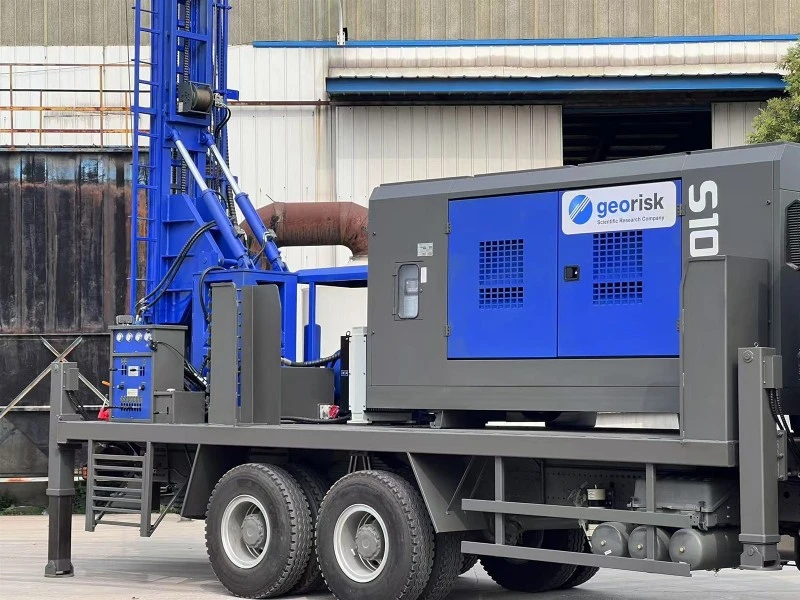
While handheld drills are portable, if drilling requires vertical, stable, and frequent operations, a bracket-mounted system should be considered to improve efficiency and accuracy.