As a seasoned supplier of water well drilling equipment, I've witnessed firsthand the transformative power of this technology in accessing vital water resources. In this blog post, I'll delve into the working principles of water well drilling equipment, exploring the key components, processes, and technologies that make it all possible.
Key Components of Water Well Drilling Equipment
Before we dive into the working principles, let's take a closer look at the key components of water well drilling equipment. These components work together to create a wellbore, or hole, in the ground to access groundwater.
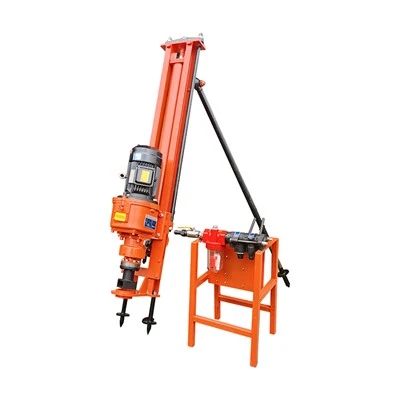
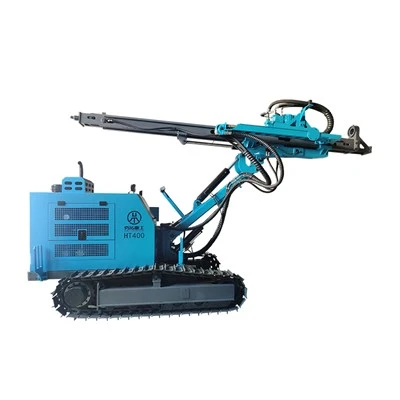
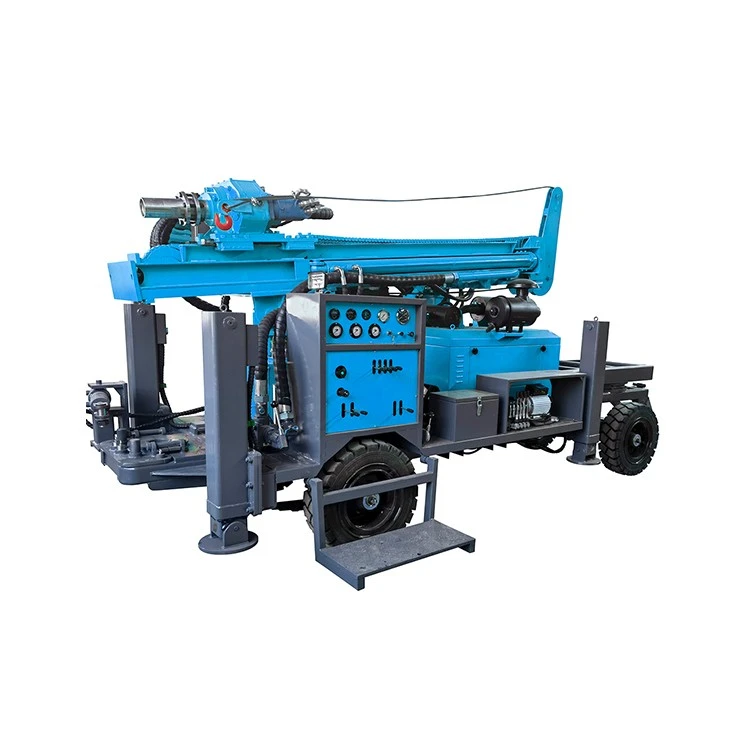
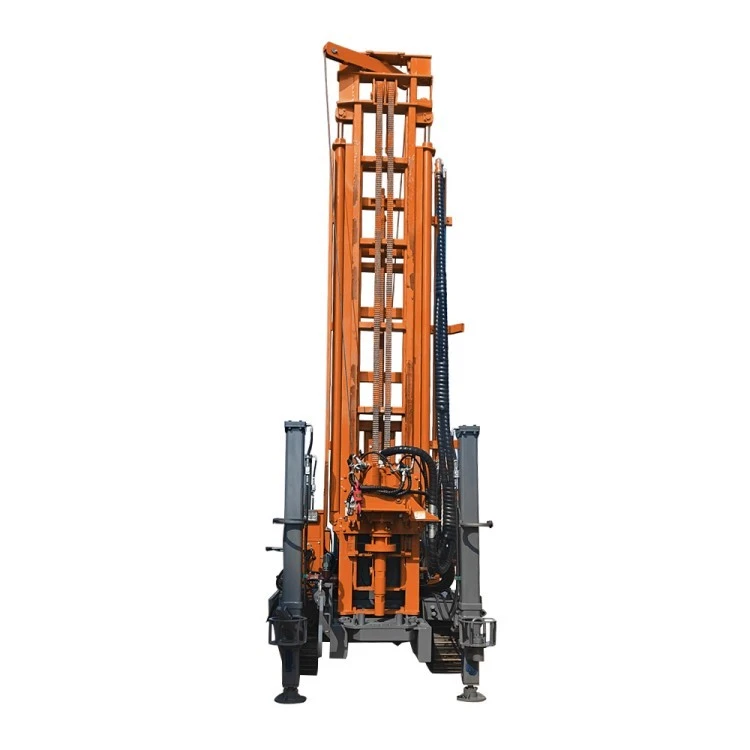
- Drilling Rig: The drilling rig is the central component of the water well drilling equipment. It provides the power and stability needed to drive the drill bit into the ground. There are several types of drilling rigs available, including small water well drilling rig, Rotary Water Well Drilling Rig, and groundwater drilling rig. Each type of rig is designed for specific drilling applications and conditions.
- Drill Bit: The drill bit is the cutting tool that breaks through the rock and soil to create the wellbore. There are several types of drill bits available, including roller cone bits, diamond bits, and PDC (polycrystalline diamond compact) bits. The type of drill bit used depends on the type of rock and soil being drilled.
- Drill String: The drill string is a series of connected drill pipes that transmit the rotational force and weight from the drilling rig to the drill bit. The drill string also provides a pathway for the drilling fluid to circulate down to the drill bit and back up to the surface.
- Drilling Fluid: The drilling fluid, also known as drilling mud, is a mixture of water, clay, and chemicals that is circulated through the drill string and out of the drill bit. The drilling fluid serves several important functions, including cooling and lubricating the drill bit, carrying the cuttings to the surface, and maintaining the stability of the wellbore.
- Casing: The casing is a steel pipe that is inserted into the wellbore to prevent the well from collapsing and to protect the groundwater from contamination. The casing is typically installed in sections and cemented in place to ensure a tight seal.
- Pump: The pump is used to extract water from the well once it has been drilled. There are several types of pumps available, including submersible pumps, jet pumps, and centrifugal pumps. The type of pump used depends on the depth and flow rate of the well.
Working Principles of Water Well Drilling Equipment
Now that we've covered the key components of water well drilling equipment, let's take a closer look at the working principles. The process of drilling a water well typically involves the following steps:
- Site Preparation: Before drilling can begin, the site must be prepared. This involves clearing the area of any obstacles, leveling the ground, and setting up the drilling rig.
- Drilling: Once the site is prepared, the drilling rig is set up and the drill bit is lowered into the ground. The drilling rig rotates the drill string, which in turn rotates the drill bit. As the drill bit rotates, it breaks through the rock and soil, creating the wellbore. The drilling fluid is circulated through the drill string and out of the drill bit to cool and lubricate the drill bit, carry the cuttings to the surface, and maintain the stability of the wellbore.
- Casing Installation: Once the wellbore has been drilled to the desired depth, the casing is installed. The casing is typically installed in sections and cemented in place to ensure a tight seal. The casing provides structural support for the wellbore and prevents the well from collapsing.
- Well Development: After the casing has been installed, the well is developed. Well development involves removing any debris or sediment from the wellbore and increasing the flow of water into the well. This is typically done by using a pump to circulate water through the well or by using a chemical treatment to dissolve any blockages in the wellbore.
- Pump Installation: Once the well has been developed, the pump is installed. The pump is typically installed in the well and connected to a power source. The pump is used to extract water from the well and deliver it to the surface.
- Testing and Monitoring: After the pump has been installed, the well is tested to ensure that it is producing water at the desired flow rate and quality. The well is also monitored regularly to ensure that it is operating properly and to detect any potential problems.
Technologies Used in Water Well Drilling Equipment
In recent years, there have been several technological advancements in water well drilling equipment. These advancements have made the drilling process more efficient, accurate, and environmentally friendly. Some of the key technologies used in water well drilling equipment include:
- Directional Drilling: Directional drilling is a technique that allows the wellbore to be drilled at an angle or curve. This technique is often used to access groundwater that is located in areas that are difficult to reach with traditional vertical drilling methods.
- Measurement While Drilling (MWD): MWD is a technology that allows the drilling operator to monitor the position and orientation of the drill bit in real-time. This technology provides valuable information about the subsurface geology and helps to ensure that the well is drilled accurately.
- Logging While Drilling (LWD): LWD is a technology that allows the drilling operator to collect data about the subsurface geology while the well is being drilled. This technology provides valuable information about the rock and soil properties, which can be used to optimize the drilling process and to determine the potential productivity of the well.
- Automation: Automation is becoming increasingly common in water well drilling equipment. Automated systems can be used to control the drilling process, monitor the performance of the equipment, and detect and diagnose potential problems. This technology helps to improve the efficiency and safety of the drilling process.
Conclusion
Water well drilling equipment is a complex and sophisticated technology that plays a vital role in accessing groundwater. By understanding the working principles of water well drilling equipment, the key components, and the technologies used, you can make informed decisions about the type of equipment that is best suited for your specific drilling application.
If you're in the market for water well drilling equipment, I encourage you to contact us to learn more about our products and services. We have a team of experienced professionals who can help you select the right equipment for your needs and provide you with the support and training you need to ensure a successful drilling operation.
References
- American Water Works Association. (2019). Water Well Construction Manual.
- National Ground Water Association. (2020). Ground Water and the Rural Homeowner.
- U.S. Environmental Protection Agency. (2021). Drinking Water Well Systems.