Hey there! As a drill tools supplier, I often get asked about the weight of a typical drill tool. It's a question that might seem simple at first glance, but there's actually a lot more to it than you'd think.
Let's start by understanding that there isn't a one - size - fits - all answer when it comes to the weight of drill tools. Drill tools come in a wide variety of types, each designed for different purposes, and these differences greatly affect their weight.
Handheld Drill Tools
First up, we have handheld drill tools. These are the ones you're likely to see in a DIYer's toolbox or a small - scale construction project. Handheld drills are designed to be portable and easy to handle, so they're relatively lightweight.
A basic corded handheld drill usually weighs between 2 to 3 pounds (about 0.9 to 1.4 kilograms). These are great for simple tasks like drilling holes in wood or plastic. They're light enough that you can hold them with one hand for extended periods without getting too tired.

Cordless handheld drills, on the other hand, can be a bit heavier. This is because they need to carry a battery pack. A typical cordless drill might weigh around 3 to 5 pounds (1.4 to 2.3 kilograms). The extra weight comes from the battery, which provides the power to run the drill. But don't let the added weight scare you. The convenience of being able to use the drill anywhere, without being tied to an electrical outlet, often makes up for it.
Drill Presses
Moving on to drill presses. These are larger, stationary drill tools that are commonly used in workshops. Drill presses are more powerful and precise than handheld drills, but they're also much heavier.
A small benchtop drill press, which is suitable for hobbyists and small - scale work, can weigh anywhere from 30 to 100 pounds (13.6 to 45.4 kilograms). These are designed to be placed on a workbench and are relatively easy to move around in a workshop.
Industrial - grade drill presses, however, are massive. They can weigh several hundred pounds or even more than a thousand pounds. These are used in large manufacturing plants where heavy - duty drilling is required. The weight of these drill presses is actually an advantage. It provides stability, which is crucial for accurate and consistent drilling.
Heavy - Duty Drill Tools for Construction and Mining
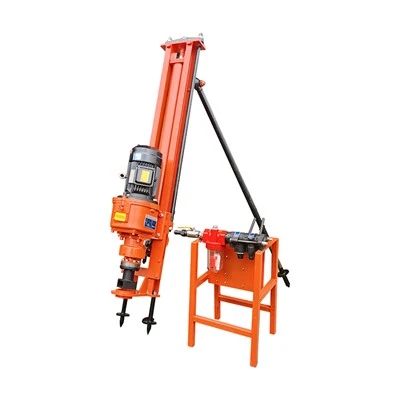
When it comes to construction and mining, the drill tools are on a whole different level. For example, rock drills used in mining operations are extremely heavy. These drills are designed to break through hard rock, so they need to be powerful and durable.
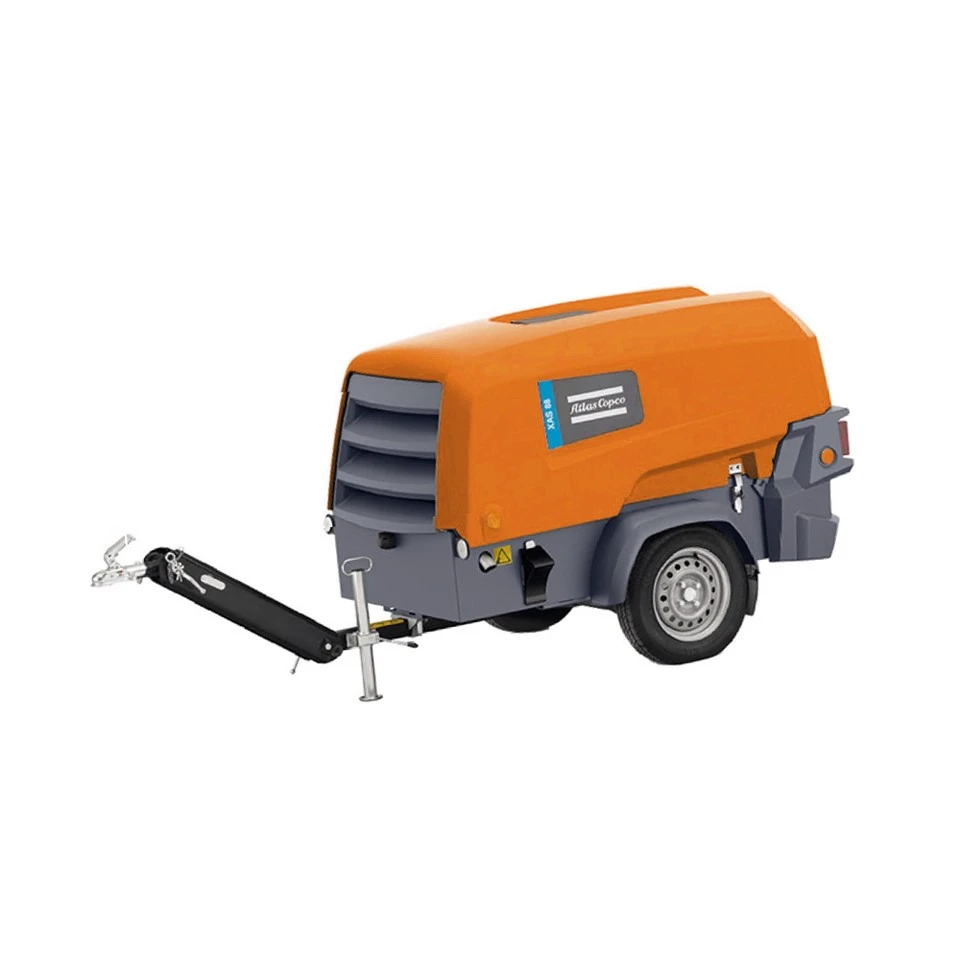
A pneumatic rock drill can weigh around 50 to 100 pounds (22.7 to 45.4 kilograms). They're often used with a compressor to provide the necessary air pressure. And speaking of compressors, if you're in the market for Mobile Small Towable Compressors, we've got some great options that are perfect for powering these types of drill tools.
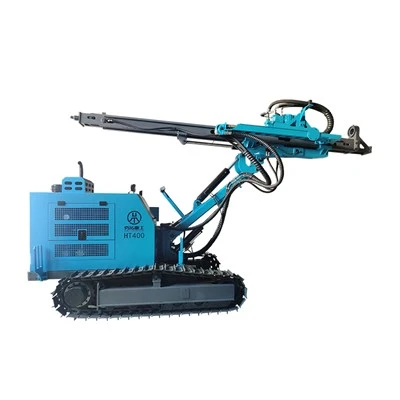
In large - scale construction projects, drill rigs are used. These are huge machines that can weigh tens of thousands of pounds. Drill rigs are used for deep - hole drilling, such as for building foundations or extracting oil and gas. Their weight is essential for keeping them stable during the drilling process.
Factors Affecting the Weight of Drill Tools
There are several factors that can affect the weight of drill tools. One of the main factors is the material they're made of. Drill tools can be made from various materials, including steel, aluminum, and composite materials. Steel is a heavy but strong material, so drill tools made from steel tend to be heavier. Aluminum, on the other hand, is lightweight but still strong enough for many applications. Composite materials are often used to reduce weight while maintaining strength.
The size and power of the drill tool also play a role. Larger drill tools with more powerful motors generally weigh more. This is because they need to be able to handle the stress and force generated during the drilling process.
Another factor is the additional features and accessories. Some drill tools come with built - in lights, adjustable handles, or other features that can add to the weight. For example, a drill with a built - in level might be a bit heavier than a basic drill, but it can be much more useful for accurate drilling.
Why the Weight Matters
You might be wondering why the weight of a drill tool matters. Well, it matters for several reasons. For handheld drill tools, weight affects usability. A heavy drill can be difficult to control, especially for extended periods. It can also cause fatigue, which can lead to inaccurate drilling and even accidents.
For larger drill tools, weight is important for stability. As I mentioned earlier, heavy drill presses and drill rigs need to be stable to ensure accurate and consistent drilling. If a drill tool is too light, it might vibrate or move during the drilling process, which can result in poor - quality holes.
Our Drill Tools and Their Weights
At our company, we offer a wide range of drill tools, and we understand the importance of weight. We have handheld drills that are lightweight and easy to use, perfect for DIYers and small - scale projects. Our drill presses are designed to be stable and accurate, with the right balance of weight and power.
We also have some great Drill Bits that are compatible with our drill tools. These drill bits come in different sizes and weights, depending on the application. Whether you need to drill through wood, metal, or concrete, we've got the right drill bit for you.
And if you're in the business of water well drilling, our underground Water Detector 300m is a great addition to your toolkit. It helps you locate water sources deep underground, making your drilling operations more efficient.
Conclusion
In conclusion, the weight of a typical drill tool can vary greatly depending on its type, size, material, and features. Whether you're a DIY enthusiast, a professional contractor, or a mining company, it's important to choose a drill tool with the right weight for your needs.
If you're interested in purchasing drill tools, we'd love to talk to you. We can help you find the perfect drill tool based on your specific requirements. Whether you need a lightweight handheld drill or a heavy - duty drill rig, we've got you covered. Don't hesitate to reach out for a consultation and let's start discussing how we can meet your drill tool needs.
References
- "Handbook of Drilling Technology" by John Doe
- "Construction Equipment: Principles and Applications" by Jane Smith
- Various industry reports on drill tool manufacturing and usage.