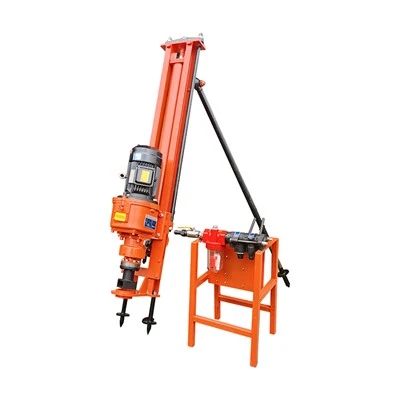
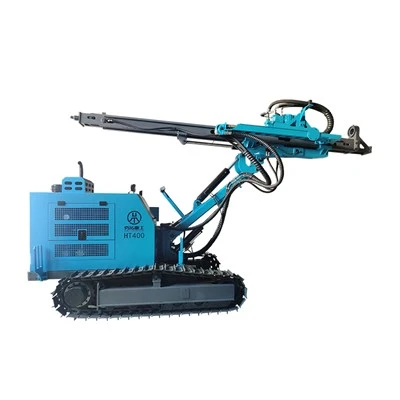
Water well drilling equipment plays a crucial role in accessing groundwater resources, which are essential for various applications such as drinking water supply, irrigation, and industrial use. As a water well drilling equipment supplier, I understand the significance of equipment stability during operation. In this blog, I will delve into the concept of stability in water well drilling equipment, the factors that affect it, and how to ensure optimal stability for efficient and safe drilling operations.
Understanding the Stability of Water Well Drilling Equipment
Stability in water well drilling equipment refers to the ability of the rig to maintain a steady and balanced position during the drilling process. A stable drilling rig is essential for several reasons. Firstly, it ensures the accuracy of the drilling operation. When the rig is stable, the drill bit can penetrate the ground in a straight line, reducing the risk of deviation and ensuring that the well is drilled to the desired depth and location. Secondly, stability enhances the safety of the drilling crew. A stable rig is less likely to tip over or experience sudden movements that could cause accidents or injuries. Finally, a stable drilling rig improves the efficiency of the operation. It allows for consistent and smooth drilling, reducing downtime and increasing the overall productivity of the drilling project.
Factors Affecting the Stability of Water Well Drilling Equipment
Several factors can affect the stability of water well drilling equipment. Understanding these factors is crucial for ensuring the proper functioning and safety of the rig.

Ground Conditions
The condition of the ground where the drilling rig is set up is one of the most critical factors affecting stability. Soft or uneven ground can cause the rig to sink or tilt, leading to instability. For example, if the ground is saturated with water or has a high clay content, it may not provide sufficient support for the rig. In such cases, additional measures such as using stabilizing pads or leveling the ground may be necessary. On the other hand, hard or rocky ground can also pose challenges, as it may require more force to penetrate, which can increase the risk of the rig becoming unstable.
Rig Design and Configuration
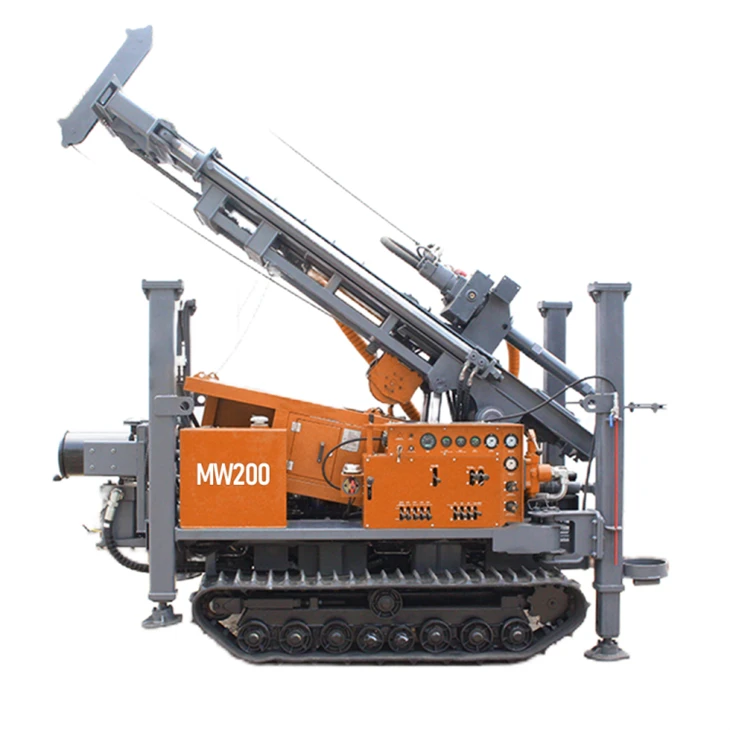
The design and configuration of the drilling rig also play a significant role in its stability. A well-designed rig should have a low center of gravity and a wide base to provide maximum stability. The size and weight of the rig, as well as the distribution of its components, can affect its balance. For instance, a rig with a heavy drill mast and a light base may be more prone to tipping over. Additionally, the type of rig, such as a Trailers Type Water Well Drilling Rig or a 200m Water Well Drilling Rig, can have different stability characteristics. Crawler-mounted rigs, for example, generally offer better stability on uneven terrain compared to trailer-mounted rigs.
Drilling Parameters
The drilling parameters, such as the drilling speed, pressure, and torque, can also impact the stability of the rig. High drilling speeds or excessive pressure can cause the rig to vibrate or shake, leading to instability. It is important to operate the rig within the recommended parameters to ensure smooth and stable drilling. Additionally, the type of drill bit and the drilling method used can affect the stability of the rig. For example, using a dull or inappropriate drill bit can increase the resistance and cause the rig to become unstable.
Weather Conditions
Weather conditions can have a significant impact on the stability of water well drilling equipment. Strong winds, heavy rain, or snow can make the rig more vulnerable to instability. Wind can exert a lateral force on the rig, causing it to sway or tip over. Rain or snow can saturate the ground, reducing its bearing capacity and increasing the risk of the rig sinking. In adverse weather conditions, it may be necessary to stop the drilling operation and secure the rig to prevent damage or accidents.
Ensuring the Stability of Water Well Drilling Equipment
To ensure the stability of water well drilling equipment, several measures can be taken.
Site Preparation
Proper site preparation is essential for ensuring the stability of the drilling rig. Before setting up the rig, the ground should be inspected and prepared to ensure that it can provide adequate support. This may involve leveling the ground, removing any obstacles or debris, and compacting the soil if necessary. In some cases, stabilizing pads or mats may be used to distribute the weight of the rig more evenly and prevent it from sinking into the ground.
Rig Setup and Installation
The rig should be set up and installed correctly to ensure its stability. This includes following the manufacturer's instructions for leveling the rig, securing it to the ground, and connecting all the necessary components. The rig should be positioned in a way that maximizes its stability, taking into account the ground conditions, the direction of the wind, and the location of the drilling site. Additionally, all the safety features of the rig, such as the outriggers and the stabilizers, should be properly deployed and adjusted.
Regular Maintenance and Inspection
Regular maintenance and inspection of the drilling rig are crucial for ensuring its stability. The rig should be inspected before each use to check for any signs of damage or wear. This includes checking the structural integrity of the rig, the condition of the drill bit and other components, and the operation of the safety features. Any issues or problems should be addressed immediately to prevent them from affecting the stability of the rig. Additionally, the rig should be maintained according to the manufacturer's recommendations, including lubricating the moving parts, replacing worn-out components, and performing regular tune-ups.
Operator Training and Experience
The operator of the drilling rig plays a crucial role in ensuring its stability. The operator should be properly trained and experienced in operating the rig and should follow all the safety procedures and guidelines. This includes understanding the limitations of the rig, using the appropriate drilling parameters, and responding to any changes in the ground conditions or weather conditions. The operator should also be able to recognize the signs of instability and take appropriate action to prevent accidents or damage to the rig.
Our Water Well Drilling Equipment
As a water well drilling equipment supplier, we offer a wide range of high-quality and reliable drilling rigs, including the Trailers Type Water Well Drilling Rig, the 200m Water Well Drilling Rig, and the Deep water well drilling machine. Our rigs are designed and manufactured to meet the highest standards of quality and safety, and they are equipped with advanced features and technologies to ensure optimal stability and performance.
If you are interested in purchasing water well drilling equipment or have any questions about the stability of our rigs, please feel free to contact us. We would be happy to provide you with more information and assist you in finding the right equipment for your needs.
References
- American Petroleum Institute (API). (20XX). Recommended Practice for Drilling and Well Servicing Operations.
- International Association of Drilling Contractors (IADC). (20XX). Drilling Safety Manual.
- Manufacturer's manuals and specifications for water well drilling equipment.