Hey there! As a supplier in the down the hole (DTH) drilling industry, I've seen firsthand the importance of every single component in a DTH drilling setup. One of those often-overlooked but super crucial parts is the casing. So, let's dive into what the role of the casing is in down the hole drilling.
First off, what's casing in the context of DTH drilling? Well, casing is basically a large-diameter pipe that's inserted into the drilled hole. It's made from different materials like steel, and it comes in various sizes and wall thicknesses depending on the specific drilling requirements.
1. Hole Stability
One of the primary roles of the casing is to provide hole stability. When you're drilling down into the ground, especially in loose or unstable formations, the walls of the hole can collapse. This is a huge headache for any drilling operation. Collapsed holes can damage the drilling equipment, slow down the process, and even lead to costly downtime.
The casing acts as a support structure for the hole. It lines the walls, preventing the surrounding soil or rock from caving in. Think of it like a protective shield. For instance, in alluvial deposits or areas with high groundwater levels, the soil is often soft and prone to collapse. Without a casing, the hole would quickly fill up with dirt and water, making it impossible to continue drilling.
2. Controlling Fluid Loss
Another important function of the casing is to control fluid loss. In DTH drilling, drilling fluids are used to cool the drill bit, carry the cuttings to the surface, and maintain pressure in the hole. However, in some formations, these fluids can seep into the surrounding rock or soil, leading to a loss of fluid and a decrease in drilling efficiency.
The casing creates a barrier between the drilling fluid and the formation. It keeps the fluid within the hole, ensuring that it can perform its functions effectively. This is particularly important in porous or fractured rock formations where fluid loss can be a major issue. By preventing fluid loss, the casing helps to maintain the stability of the drilling process and reduces the amount of drilling fluid that needs to be used.
3. Protecting the Drill String
The drill string is the series of pipes that connect the drill bit to the surface equipment. It's a vital part of the DTH drilling system, but it's also vulnerable to damage. The casing provides protection for the drill string by preventing it from coming into direct contact with the rough or abrasive walls of the hole.
When the drill string rotates and moves up and down the hole, it can rub against the walls, causing wear and tear. The casing acts as a buffer, reducing the friction between the drill string and the hole walls. This extends the lifespan of the drill string and reduces the need for frequent repairs or replacements.
4. Isolating Different Formations
In some drilling projects, it's necessary to isolate different formations from each other. For example, if you're drilling for water, you might want to separate the freshwater aquifer from a contaminated layer below. The casing can be used to create a physical barrier between these formations.
By installing multiple casings at different depths, you can ensure that each formation is isolated. This is important for maintaining the quality of the water or other resources being extracted. It also helps to prevent cross - contamination between different layers, which can have serious environmental and health implications.
5. Facilitating Well Completion
Once the drilling is finished, the casing plays a key role in well completion. Well completion is the process of preparing the well for production. The casing provides a conduit for the extraction of the resources, such as oil, gas, or water.
It also allows for the installation of other equipment, like pumps or valves. For example, in an oil well, the casing provides a stable structure for the production tubing, which is used to bring the oil to the surface. Without a proper casing, it would be extremely difficult to complete the well and start production.
Choosing the Right Casing
Now that we've covered the roles of the casing, it's important to choose the right one for your DTH drilling project. The selection depends on several factors, including the type of formation, the depth of the hole, and the drilling method.
For shallow holes in soft formations, a thin - walled casing may be sufficient. However, for deeper holes or in hard rock formations, a thicker and stronger casing is required. It's also important to consider the corrosion resistance of the casing, especially in areas with high levels of corrosive substances in the soil or water.
Our Products and Solutions
As a DTH drilling supplier, we offer a wide range of high - quality casings to meet the diverse needs of our customers. Our casings are made from top - grade materials and are designed to provide maximum durability and performance.
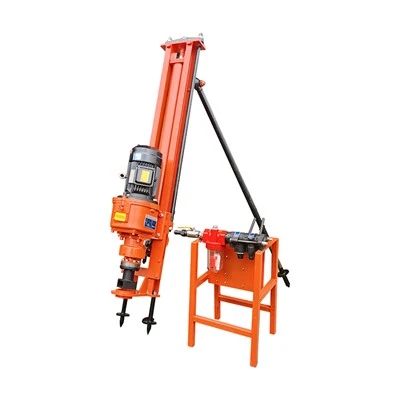
We also have a variety of DTH Drilling Machine that are compatible with different types of casings. These machines are known for their efficiency, reliability, and ease of use. Whether you're drilling for minerals, water, or oil, our DTH drilling machines can get the job done.
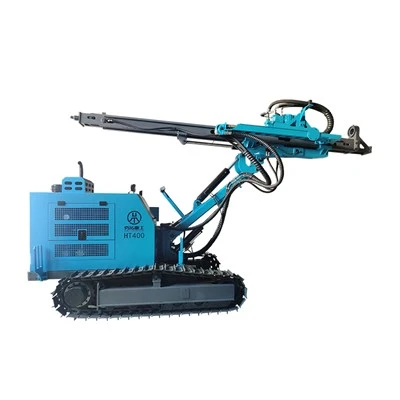
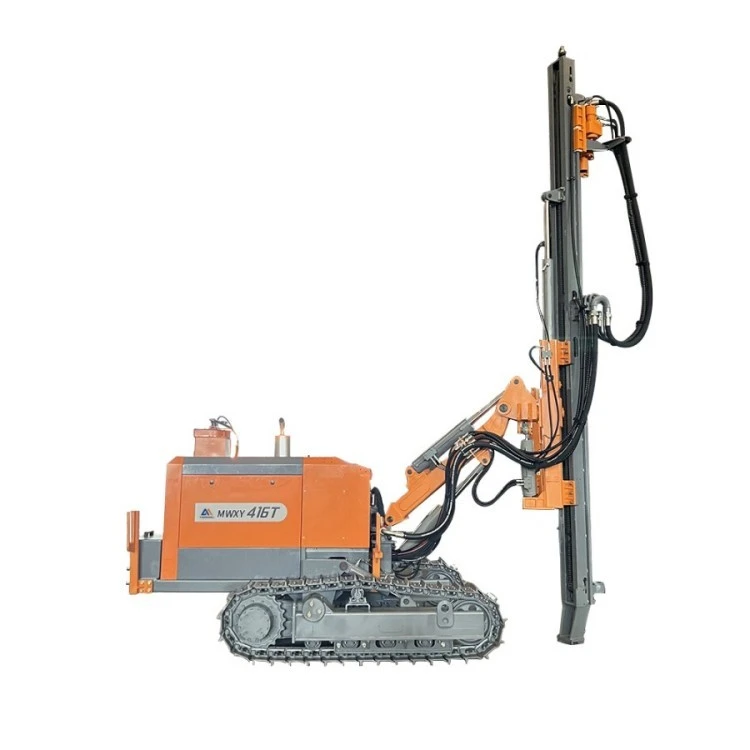
If you're looking for a more mobile and versatile option, our Crawler dth Drilling Rig is a great choice. It can be easily transported to different locations and is suitable for a wide range of drilling applications.
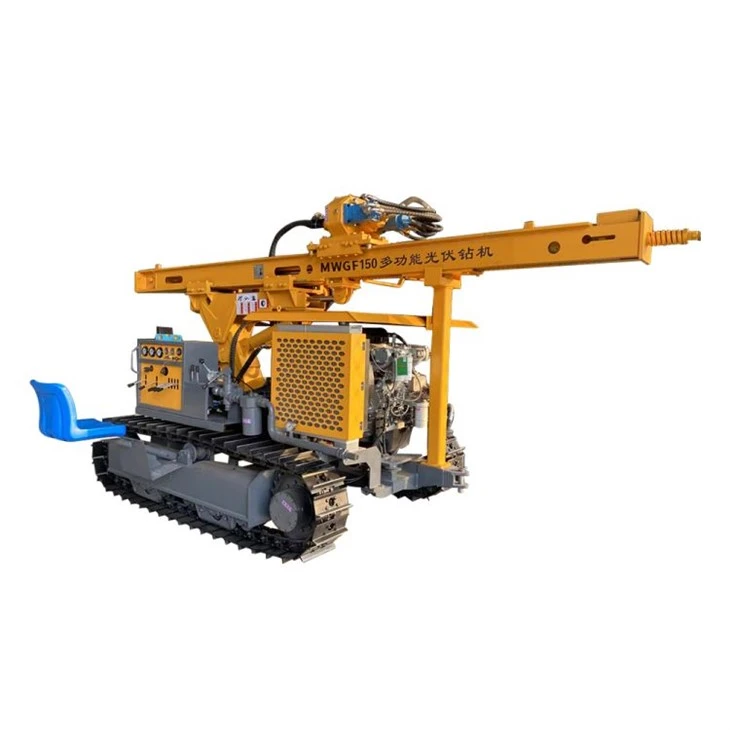
For those who need a multi - purpose drilling solution, our Multi - Functional Rock Drilling Rig is the way to go. It can handle different types of rock formations and can be used for various drilling tasks.
Conclusion
In conclusion, the casing is an essential component in DTH drilling. It plays a crucial role in hole stability, fluid loss control, protecting the drill string, isolating formations, and well completion. Without a proper casing, the drilling process would be much more difficult, costly, and risky.
If you're involved in a DTH drilling project and need high - quality casings or drilling equipment, don't hesitate to get in touch. We're here to provide you with the best products and solutions to ensure the success of your project. Let's start a conversation about your specific needs and how we can help you achieve your drilling goals.
References
- Smith, J. (2020). Down the Hole Drilling: Principles and Practices. Drilling Publications.
- Johnson, R. (2019). Casing Design and Installation in Drilling Operations. Oil and Gas Journal.