What is the pressure pulsation of a screw air compressor?
As a supplier of screw air compressors, I've encountered numerous inquiries regarding the pressure pulsation of these vital machines. Pressure pulsation is a phenomenon that can significantly impact the performance, efficiency, and longevity of screw air compressors. In this blog post, I'll delve into what pressure pulsation is, its causes, effects, and how to mitigate it.
Understanding Pressure Pulsation
Pressure pulsation refers to the cyclic variation in pressure within the air compressor system. In a screw air compressor, the process of air intake, compression, and discharge is not entirely smooth. During the compression cycle, the volume of the air chamber changes, causing the pressure to fluctuate. These fluctuations create a pulsating flow of compressed air, which can be measured as variations in pressure over time.
To visualize this, imagine a wave pattern. The peaks of the wave represent the maximum pressure points, while the troughs represent the minimum pressure points. The frequency and amplitude of these waves are key characteristics of pressure pulsation. The frequency is determined by the rotational speed of the compressor's rotors and the number of compression cycles per revolution. The amplitude, on the other hand, is influenced by factors such as the compressor's design, operating conditions, and the characteristics of the air being compressed.
Causes of Pressure Pulsation
There are several factors that contribute to pressure pulsation in screw air compressors. One of the primary causes is the intermittent nature of the compression process. As the rotors of the compressor rotate, they trap air in the compression chambers, compress it, and then discharge it into the system. This repeated cycle of intake, compression, and discharge creates pressure variations.

Another factor is the design of the compressor. The shape and size of the compression chambers, the clearance between the rotors, and the configuration of the intake and discharge ports can all affect the flow of air and the resulting pressure pulsation. For example, if the intake or discharge ports are too small, it can restrict the flow of air, leading to higher pressure fluctuations.
Operating conditions also play a role in pressure pulsation. Changes in the load on the compressor, variations in the inlet air temperature and humidity, and the presence of contaminants in the air can all impact the compression process and cause pressure pulsations. Additionally, the type of drive system used in the compressor, such as a direct drive or a belt drive, can affect the stability of the compression process and contribute to pressure variations.
Effects of Pressure Pulsation
Pressure pulsation can have several negative effects on the performance and reliability of screw air compressors. One of the most significant effects is increased vibration and noise. The pulsating pressure waves can cause the compressor components to vibrate, leading to excessive wear and tear on the bearings, seals, and other moving parts. This can result in premature failure of these components and increased maintenance costs.
Pressure pulsation can also affect the efficiency of the compressor. The fluctuating pressure can cause the compressor to work harder than necessary, leading to increased energy consumption. In addition, the pulsating flow of compressed air can disrupt the operation of downstream equipment, such as pneumatic tools and control valves, reducing their performance and reliability.
Another potential effect of pressure pulsation is the formation of pressure surges. These sudden increases in pressure can cause damage to the compressor and the associated piping system. Pressure surges can also pose a safety hazard, as they can cause pipes to burst or fittings to fail, leading to leaks of compressed air or other fluids.
Mitigating Pressure Pulsation
Fortunately, there are several strategies that can be employed to mitigate pressure pulsation in screw air compressors. One of the most effective methods is the use of pulsation dampeners. These devices are designed to absorb and reduce the pressure fluctuations in the compressor system. Pulsation dampeners typically consist of a chamber filled with a compressible fluid, such as air or oil. As the pressure waves pass through the dampener, the fluid compresses and expands, absorbing the energy of the waves and reducing the amplitude of the pulsations.
Another approach is to optimize the design of the compressor. This can involve improving the shape and size of the compression chambers, reducing the clearance between the rotors, and optimizing the configuration of the intake and discharge ports. By minimizing the restrictions in the air flow path, the compressor can operate more smoothly and with less pressure pulsation.
Proper maintenance and operation of the compressor are also essential for mitigating pressure pulsation. Regularly checking and replacing worn or damaged components, such as bearings and seals, can help to maintain the stability of the compression process. Additionally, ensuring that the compressor is operating within its recommended parameters, such as the correct load, temperature, and humidity, can help to reduce the likelihood of pressure pulsations.
In some cases, it may be necessary to install additional equipment, such as filters and dryers, to improve the quality of the inlet air. By removing contaminants and moisture from the air, these devices can help to ensure a more consistent compression process and reduce the risk of pressure pulsation.
Conclusion
Pressure pulsation is a common phenomenon in screw air compressors that can have a significant impact on their performance, efficiency, and reliability. By understanding the causes and effects of pressure pulsation and implementing appropriate mitigation strategies, it is possible to minimize its negative impact and ensure the smooth operation of the compressor system.
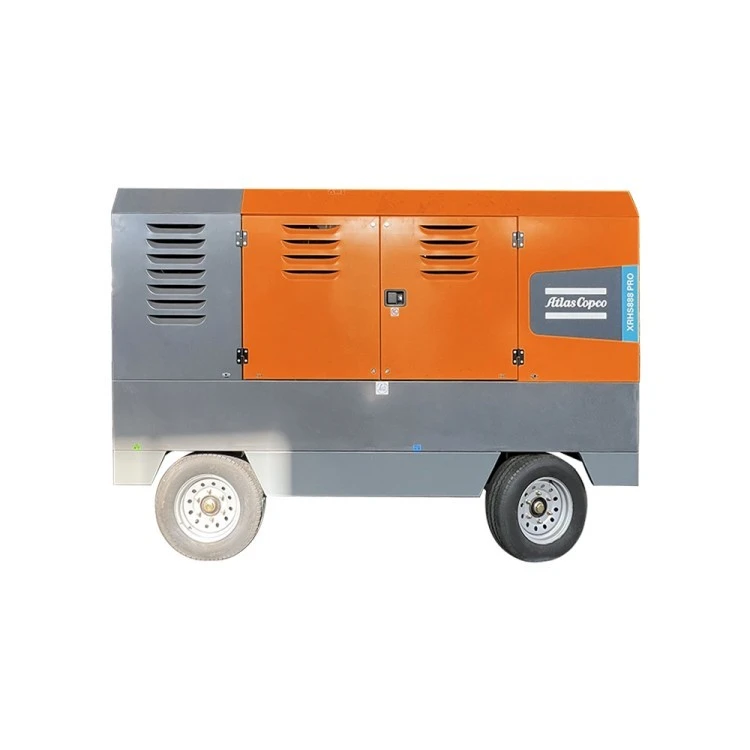
At our company, we offer a wide range of Portable Screw Air Compressor, Low noise Screw air compressor, and Fixed Screw Air Compressor that are designed to minimize pressure pulsation and provide reliable performance. If you have any questions about pressure pulsation or our screw air compressors, please don't hesitate to contact us. We'd be happy to discuss your specific needs and help you find the right solution for your application.
References
- "Compressed Air Systems Handbook" by Compressed Air and Gas Institute
- "Screw Compressor Technology" by Ingersoll Rand
- "Fundamentals of Compressible Flow" by John D. Anderson