Hey there! As a supplier of water well drilling rig trucks, I often get asked about the noise level of these rigs during operation. It's a crucial topic, especially for those working in residential areas or noise - sensitive environments. So, let's dive right into it.
Factors Affecting the Noise Level
First off, it's important to understand that several factors can influence how loud a water well drilling rig truck gets when it's in action.
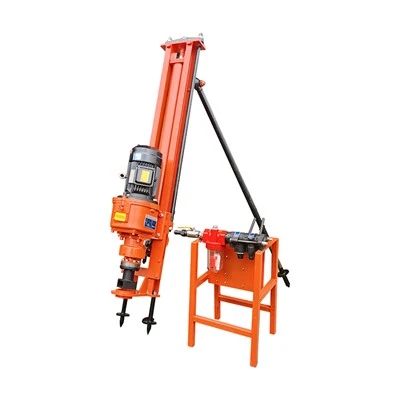
The type of drilling mechanism is a major factor. For instance, Rotary Water Well Drilling Rig uses a rotating drill bit to penetrate the ground. The rotation of the bit, along with the operation of the hydraulic systems that power it, can generate a significant amount of noise. The motor that drives the rotation needs to work hard, especially when dealing with tough rock formations. This means more energy is being used, and more noise is produced as a result.
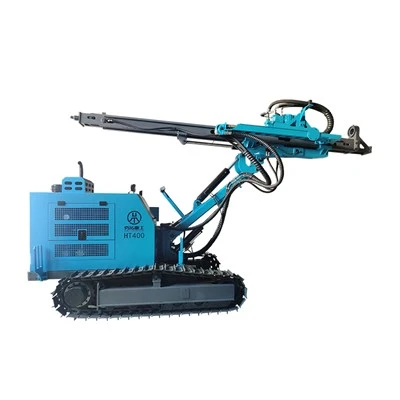
Another type, the Truck - mounted Water Well drilling Rig, combines the mobility of a truck with the drilling capabilities. The engine of the truck itself adds to the noise level. When the truck is stationary but the drilling equipment is running, the truck's engine might still be idling to power the rig's operations. And if the rig is using a large - capacity engine, you can expect a louder noise output.
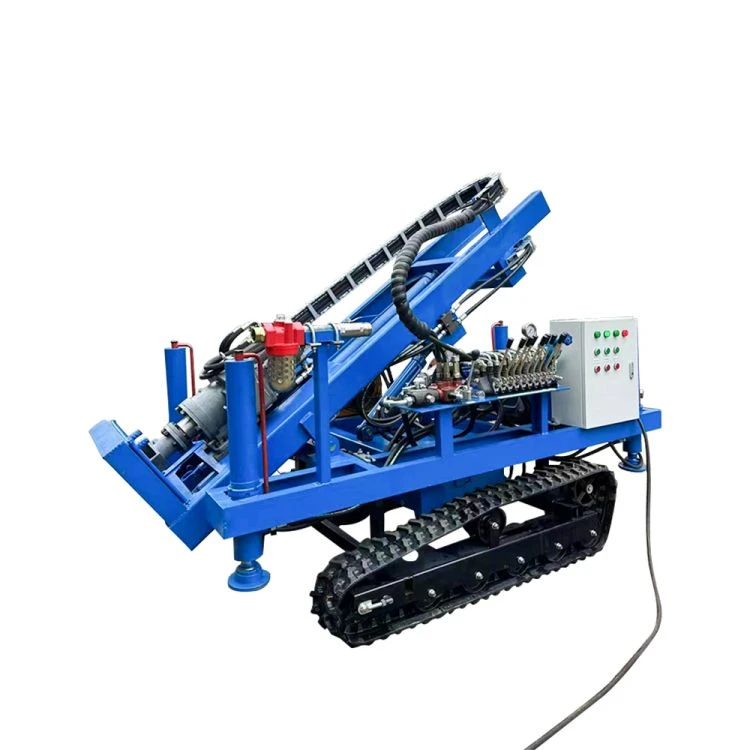

The Trailers Type Water Well Drilling Rig also has its own noise characteristics. Trailers usually rely on external power sources, like generators. These generators can be quite noisy, especially if they are old or not well - maintained. The vibrations from the drilling process can also be transferred to the trailer, causing it to rattle and add to the overall noise.
The geological conditions of the drilling site also play a role. If the ground is soft, the drill bit can penetrate more easily, and the rig doesn't have to work as hard. This generally results in lower noise levels. However, if the site has hard rock or compacted soil, the drill bit has to apply more force, and the rig will produce more noise.
Typical Noise Levels
On average, a water well drilling rig truck can produce noise levels ranging from 80 to 110 decibels (dB) during operation. To put that into perspective, normal conversation is around 60 dB. A lawnmower typically operates at about 90 dB. So, a drilling rig can be quite a bit louder.
At the lower end of the range (around 80 dB), the noise is still noticeable but might be tolerable in more open or industrial areas. However, as the noise level approaches 110 dB, it can be extremely loud and potentially harmful to human hearing if exposed for extended periods. Prolonged exposure to noise levels above 85 dB can cause hearing damage over time.
Noise Reduction Measures
We, as a water well drilling rig truck supplier, understand the importance of noise reduction. That's why we offer rigs with various noise - reduction features.
One of the common measures is the use of sound - insulating materials. These materials can be installed around the engine compartment and the drilling mechanism to absorb and dampen the noise. By reducing the amount of noise that escapes from these critical areas, we can significantly lower the overall noise level of the rig.
Another approach is to optimize the design of the rig's components. For example, using high - quality bearings and gears can reduce the amount of vibration and noise generated during operation. Smoother - running components mean less noise.
We also recommend regular maintenance of the rig. A well - maintained rig is likely to be quieter. This includes checking and tightening loose parts, lubricating moving components, and replacing worn - out parts.
Regulations and Compliance
Noise regulations vary from one region to another. In many areas, there are strict limits on the noise levels that industrial equipment, including water well drilling rig trucks, can produce. These regulations are in place to protect the health and well - being of nearby residents and workers.
As a supplier, we make sure that our rigs are designed and built to comply with these regulations. We work closely with regulatory bodies to ensure that our products meet the required noise standards. This not only helps our customers avoid potential fines but also shows our commitment to environmental and community - friendly operations.
Choosing the Right Rig Based on Noise Requirements
If you're in the market for a water well drilling rig truck and noise is a major concern for you, here are some tips to help you make the right choice.
First, consider the type of drilling you'll be doing. If you'll be working in a residential area, a rig with better noise - reduction features, like the ones I mentioned earlier, would be a great choice. The Rotary Water Well Drilling Rig can be a good option as it can be designed with advanced noise - dampening technologies.
Second, look at the power source of the rig. Electric - powered rigs tend to be quieter than diesel - powered ones. However, electric rigs might have limitations in terms of mobility and power output. So, you'll need to weigh the pros and cons based on your specific needs.
Finally, don't hesitate to ask us for information about the noise levels of our rigs. We can provide you with detailed specifications and even arrange for a demonstration so you can hear the rig in action for yourself.
Conclusion
In conclusion, the noise level of a water well drilling rig truck during operation is influenced by many factors, including the type of rig, geological conditions, and power source. But with the right noise - reduction measures and proper maintenance, we can keep the noise levels under control.
If you're interested in purchasing a water well drilling rig truck, whether it's a Truck - mounted Water Well drilling Rig, a Rotary Water Well Drilling Rig, or a Trailers Type Water Well Drilling Rig, we're here to help. Contact us for more information and let's start a discussion about your drilling needs. We'll work with you to find the perfect rig that meets your requirements, including noise - level considerations.
References
- "Industrial Noise Control and Acoustics" by Clarence E. Bies and Kevin W. Hansen
- Local noise regulations and standards documents