Hey there! I'm a supplier of mini rock drilling machines, and I often get asked about the maximum drilling depth in different rock formations for these nifty little tools. So, I thought I'd dive into this topic and share some insights.
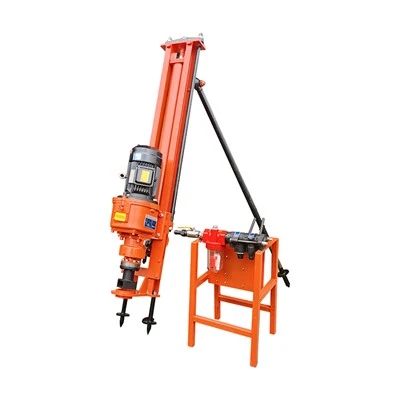
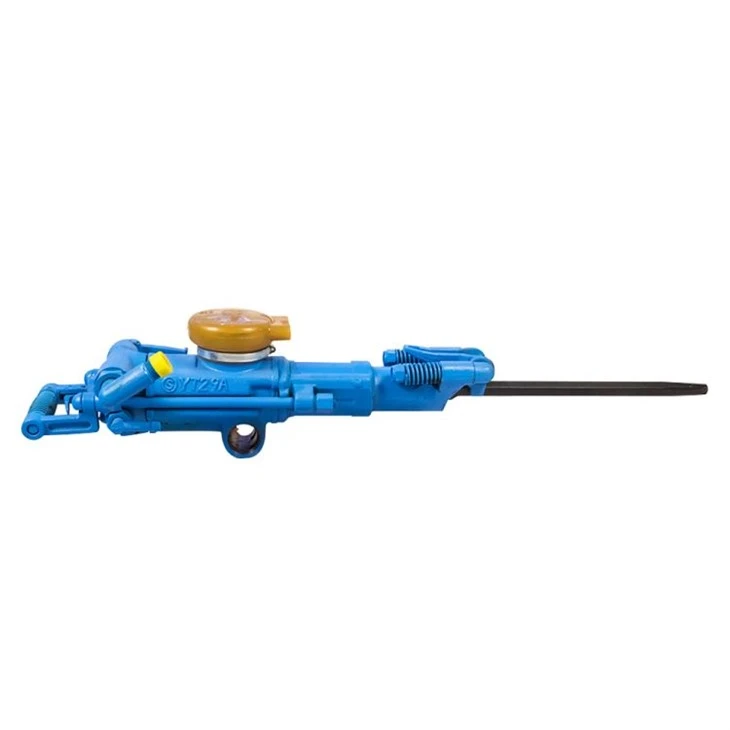
First off, let's talk about what a mini rock drilling machine is. These are compact, lightweight, and highly portable machines designed for various drilling tasks in small - scale projects. They're great for things like geological surveys, small construction sites, and even some DIY projects. We offer a range of models, including the mini pneumatic drill and hand held rock drilling equipment.
Now, onto the main question: What's the maximum drilling depth in different rock formations?
Soft Rock Formations
Soft rock formations, such as shale, sandstone, and some types of limestone, are relatively easy to drill through. The maximum drilling depth for a mini rock drilling machine in soft rock can be quite impressive.
Shale is a fine - grained sedimentary rock that can be easily fractured. With a well - maintained mini rock drilling machine, you can typically drill up to 30 - 50 meters in shale. The reason for this relatively good depth is that the rock's structure allows the drill bit to penetrate smoothly without much resistance.
Sandstone is another common soft rock. It's made up of sand - sized grains cemented together. Depending on the cementation strength, a mini rock drilling machine can reach depths of 20 - 40 meters. If the sandstone is loosely cemented, the drill bit can move through it more easily, increasing the achievable depth.
Some types of limestone are also considered soft rocks. Limestone is a sedimentary rock composed mainly of calcium carbonate. In softer limestone formations, a mini rock drilling machine can drill up to 25 - 45 meters. The key here is the porosity and the presence of any natural fractures in the rock, which can help the drill bit progress.
Medium - Hard Rock Formations
Medium - hard rock formations include rocks like granite, basalt, and some types of dolomite. These rocks are more challenging to drill through compared to soft rocks.
Granite is a coarse - grained igneous rock. It's known for its hardness and durability. For a mini rock drilling machine, the maximum drilling depth in granite is usually around 10 - 20 meters. The high quartz content in granite makes it tough, and the drill bit has to work hard to break through the rock. This can cause more wear and tear on the drill bit and the machine itself, limiting the depth that can be achieved.
Basalt is a fine - grained igneous rock that forms from volcanic lava. It's also quite hard, and a mini rock drilling machine can typically drill up to 8 - 15 meters in basalt. The dense structure of basalt means that the drill bit has to exert a lot of force to penetrate, and heat can build up quickly, which can further affect the drilling performance.
Dolomite is a sedimentary rock similar to limestone but with a different mineral composition. In medium - hard dolomite formations, a mini rock drilling machine can reach depths of about 12 - 18 meters. The hardness and the internal structure of the dolomite determine how far the drill can go.
Hard Rock Formations
Hard rock formations, such as gneiss and some types of quartzite, are extremely difficult to drill through.
Gneiss is a metamorphic rock with a banded structure. It's very hard and resistant to drilling. A mini rock drilling machine can usually only drill 3 - 8 meters in gneiss. The complex structure of gneiss, with its alternating bands of different minerals, makes it a real challenge for the drill bit to penetrate.
Quartzite is a metamorphic rock formed from sandstone. It's composed almost entirely of quartz, making it one of the hardest rocks. In quartzite, a mini rock drilling machine might only be able to drill 2 - 6 meters. The high hardness of quartzite means that the drill bit wears out quickly, and the machine has to work at its maximum capacity just to make a small amount of progress.
Factors Affecting Drilling Depth
There are several factors that can affect the maximum drilling depth in different rock formations.
The quality of the drill bit is crucial. A high - quality drill bit made from durable materials, such as tungsten carbide, can penetrate deeper and last longer. Worn - out or low - quality drill bits will have a hard time breaking through the rock and may limit the drilling depth.
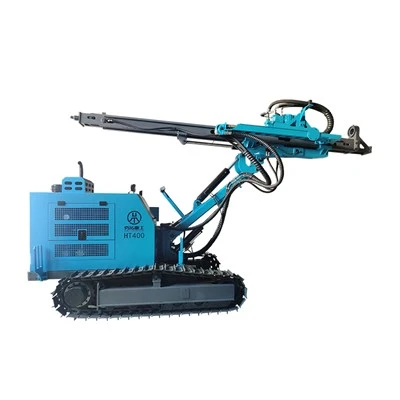
The power of the mini rock drilling machine also matters. A more powerful machine can generate more torque and impact force, allowing it to drill deeper. Our Integrated Open - pit Down - the - hole Drill Rig is designed to provide sufficient power for efficient drilling in various rock formations.
The drilling technique used can also impact the depth. Proper lubrication and cooling of the drill bit can prevent overheating and reduce wear. Additionally, the speed at which the drill rotates and the pressure applied can affect how well the drill bit penetrates the rock.

Maintenance and Care
To ensure that your mini rock drilling machine can reach its maximum drilling depth in different rock formations, proper maintenance and care are essential.
Regularly clean the machine to remove any dust and debris that may accumulate during drilling. Check the drill bit for wear and replace it when necessary. Lubricate all moving parts to reduce friction and prevent damage. Also, make sure to follow the manufacturer's instructions for operating the machine, including the recommended drilling parameters.
Why Choose Our Mini Rock Drilling Machines
We understand the importance of having a reliable and efficient mini rock drilling machine. Our machines are designed with the latest technology to provide optimal performance in different rock formations. They're easy to operate, even for beginners, and are built to last.
Whether you're working on a small construction project, a geological survey, or a DIY task, our mini rock drilling machines can meet your needs. We offer a wide range of models with different features and capabilities, so you can choose the one that's right for you.
Contact Us for Purchase and Consultation
If you're interested in purchasing a mini rock drilling machine or have any questions about the maximum drilling depth in different rock formations, don't hesitate to reach out. We're here to help you make the right choice for your project. Whether you need more information about our products or want to discuss specific drilling requirements, we're just a message or a call away.
References
- Smith, J. (2018). Rock Drilling Technology: Principles and Applications. London: RockTech Publishing.
- Johnson, A. (2020). Guide to Mini Rock Drilling Machines. New York: Drilling Insights Press.
- Brown, R. (2019). Geology of Rock Formations and Drilling Challenges. Sydney: GeoBooks.