What is the Maximum Drilling Angle of an Air Rock Drill?
As a well - established air rock drill supplier, I often encounter inquiries from customers about the technical specifications of our products. One of the most frequently asked questions is about the maximum drilling angle of an air rock drill. In this blog post, I will delve into this topic, exploring the factors that influence the maximum drilling angle and how it varies across different types of air rock drills.
Understanding Air Rock Drills
Air rock drills are powerful tools used in various industries, such as mining, construction, and quarrying. They work by using compressed air to drive a piston, which in turn delivers high - frequency impacts to the drill bit, allowing it to penetrate hard rock. These drills come in different sizes and configurations, each designed for specific applications.
Factors Affecting the Maximum Drilling Angle
- Design and Structure of the Drill
The design of an air rock drill plays a crucial role in determining its maximum drilling angle. Some drills are built with a more rigid structure, which may limit the range of angles at which they can operate effectively. For example, larger, more heavy - duty air rock drills used in large - scale mining operations are often designed for vertical or near - vertical drilling. Their structure is optimized to provide maximum stability and power in these orientations. On the other hand, smaller, more portable air rock drills, such as hand held rock drilling equipment, are typically more flexible and can be used at a wider range of angles. - Stability and Support
Stability is a key factor when it comes to drilling at different angles. When drilling at a non - vertical angle, the drill needs to be properly supported to prevent it from tipping over or losing its alignment. The type of support system used can affect the maximum drilling angle. For instance, if a drill is mounted on a stable platform or a tripod, it can be more easily adjusted to drill at various angles. However, if the support is inadequate, the drill may not be able to maintain its position, especially at steeper angles. - Rock Formation and Hardness
The nature of the rock being drilled also impacts the maximum drilling angle. Different rock formations have different levels of hardness and structural integrity. In softer rock formations, the drill may be able to operate at a wider range of angles because the resistance is lower. However, in harder rock, the drill bit may encounter more resistance, and drilling at a steep angle can cause the bit to deviate from its intended path or even break. For example, in granite, which is a very hard rock, it may be more challenging to drill at angles greater than 45 degrees compared to limestone, which is relatively softer.
Maximum Drilling Angles for Different Types of Air Rock Drills
- Hand - held Air Rock Drills
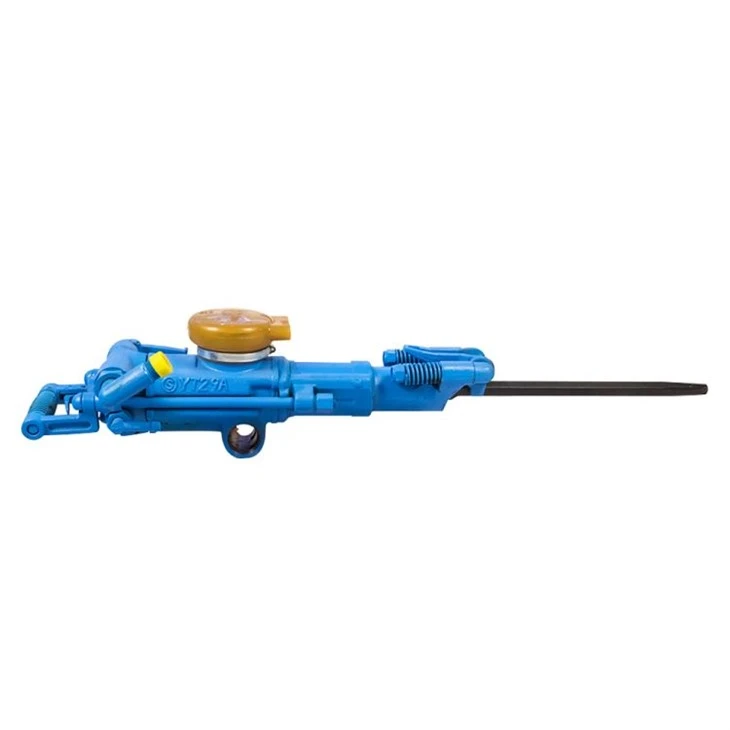
Hand - held air rock drills are known for their portability and versatility. They can typically drill at angles ranging from 0 degrees (vertical) up to 90 degrees (horizontal). These drills are often used in applications where access is limited, such as in small construction sites or for drilling holes in rock walls for anchoring purposes. Their relatively small size and light weight allow operators to easily adjust the angle of the drill according to the requirements of the job. - Small Down - the - Hole Drills
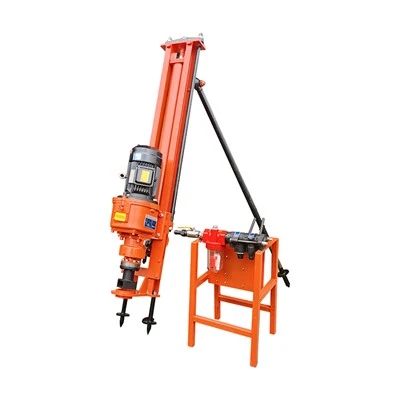
Small down the hole drilling equipment is commonly used in applications such as geotechnical investigations, small - scale mining, and well - drilling. These drills can usually drill at angles between 0 and 60 degrees from the vertical. They are designed to be more stable than hand - held drills while still providing a reasonable range of drilling angles. The down - the - hole mechanism allows for efficient drilling in various rock formations, but the angle is somewhat limited by the need to maintain proper alignment and prevent the drill string from getting stuck. - Integrated Open - Pit Down - the - Hole Drill Rigs
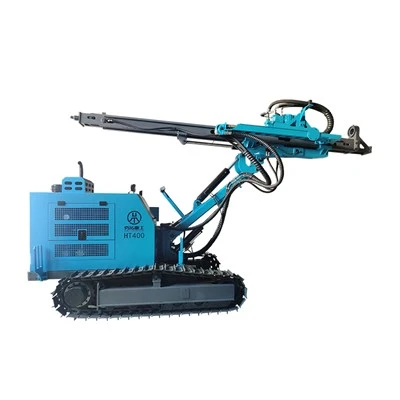
Integrated Open - pit Down - the - Hole Drill Rig are large, heavy - duty machines used in large - scale open - pit mining operations. These rigs are primarily designed for vertical or near - vertical drilling, with a maximum drilling angle typically ranging from 0 to 30 degrees from the vertical. Their large size and high - power requirements make them less suitable for drilling at steeper angles. The focus of these rigs is on achieving high - productivity drilling in large - scale mining projects, where vertical or near - vertical holes are often required for blasting and ore extraction.
Importance of Knowing the Maximum Drilling Angle
Understanding the maximum drilling angle of an air rock drill is crucial for several reasons. Firstly, it helps operators select the right drill for the job. If a project requires drilling at a steep angle, choosing a drill that can handle such angles is essential to ensure efficient and safe operation. Secondly, it allows for proper planning and execution of drilling operations. Operators can determine the best approach for drilling based on the available equipment and the requirements of the rock formation. Finally, knowing the maximum drilling angle helps in maintaining the integrity of the drill and the drill bit. Drilling beyond the recommended angle can cause excessive wear and tear on the equipment, leading to increased maintenance costs and reduced lifespan.
Conclusion
In conclusion, the maximum drilling angle of an air rock drill varies depending on factors such as the design of the drill, stability and support, and the nature of the rock being drilled. Different types of air rock drills, from hand - held drills to large - scale drill rigs, have different maximum drilling angle capabilities. As an air rock drill supplier, I recommend that customers carefully consider these factors when selecting a drill for their specific application.

If you are in the market for an air rock drill and need more information about the maximum drilling angle or any other technical specifications, please feel free to contact us for a detailed discussion. Our team of experts is ready to assist you in finding the right drill for your project and can provide you with all the necessary guidance for a successful drilling operation.
References
- Smith, J. (2018). Rock Drilling Technology. Mining Press.
- Johnson, A. (2019). Handbook of Construction Equipment. Construction Publishers.