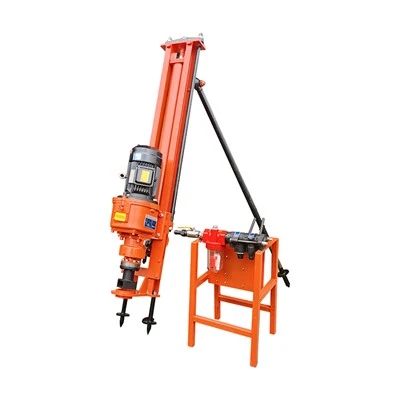
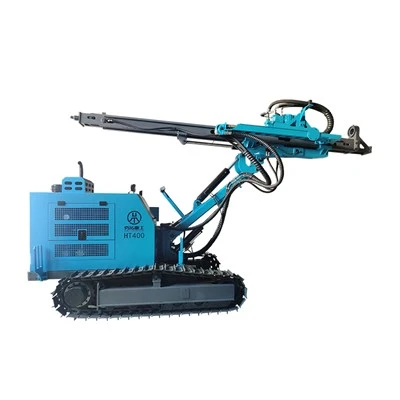
The crawler mounted drill rig is a powerful and versatile piece of equipment widely used in various industries, including mining, construction, and water well drilling. As a supplier of crawler mounted drill rigs, I've witnessed firsthand how these machines have revolutionized drilling operations. However, it's essential to understand their impact on the ground surface. This blog post will explore the various effects of crawler mounted drill rigs on the ground and discuss how to mitigate potential negative impacts.
Ground Pressure and Compaction
One of the primary ways a crawler mounted drill rig affects the ground surface is through ground pressure. Crawler tracks distribute the rig's weight over a larger area compared to wheels, reducing the ground pressure per unit area. This is beneficial as it allows the rig to operate on softer or less stable ground conditions without sinking. However, even with crawler tracks, the weight of the drill rig can still cause significant ground compaction.


Ground compaction occurs when the soil particles are compressed together, reducing the pore space between them. This can have several negative consequences. For example, it can impede water infiltration, leading to increased surface runoff and potential erosion. Compacted soil also has reduced aeration, which can limit root growth for plants and affect soil microbial activity. In agricultural areas, ground compaction can reduce crop yields.
To minimize ground compaction, it's important to select the appropriate crawler mounted drill rig for the soil conditions. Some rigs are designed with wider tracks or lower ground pressure capabilities, which can help distribute the weight more evenly. Additionally, operators can avoid driving the rig on wet soil, as wet soil is more prone to compaction.
Surface Disturbance
During the operation of a crawler mounted drill rig, there is often significant surface disturbance. The rig needs to be positioned and leveled, which may involve clearing vegetation, moving rocks, and excavating small areas of soil. This can disrupt the natural landscape and habitat for local flora and fauna.
In addition to the initial setup, the drilling process itself can cause surface disturbance. The vibration and movement of the drill rig can dislodge soil and rocks, creating small mounds or depressions on the ground surface. This can be particularly problematic in environmentally sensitive areas, such as near water bodies or in protected natural habitats.
To reduce surface disturbance, operators should follow best practices for rig setup and operation. This includes using proper techniques for leveling the rig without excessive excavation. In some cases, it may be necessary to use temporary mats or pads to protect the ground surface during rig movement. After the drilling operation is complete, the disturbed area should be rehabilitated as soon as possible. This may involve re - seeding vegetation, filling in depressions, and restoring the natural contour of the land.
Erosion and Sedimentation
The surface disturbance caused by crawler mounted drill rigs can increase the risk of erosion and sedimentation. When the ground surface is disturbed, the protective layer of vegetation is removed, leaving the soil exposed to the elements. Rainfall and wind can then easily carry away the topsoil, leading to erosion.
Sedimentation occurs when the eroded soil is transported and deposited in nearby water bodies. This can have a detrimental impact on water quality, as sediment can carry nutrients, pesticides, and other contaminants. It can also smother aquatic habitats, such as fish spawning areas and coral reefs.
To prevent erosion and sedimentation, erosion control measures should be implemented. This can include installing sediment fences or silt curtains around the drilling site to trap sediment. Vegetative cover can also be quickly established on the disturbed areas to help hold the soil in place. In some cases, erosion control blankets or geotextiles may be used to provide additional protection.
Noise and Vibration
The operation of a crawler mounted drill rig generates significant noise and vibration. These can have an impact on the ground surface indirectly. High - intensity vibrations can cause soil liquefaction in some soil types, especially in loose, saturated soils. Soil liquefaction occurs when the soil loses its strength and behaves like a liquid, which can lead to ground settlement and instability.
Noise pollution from the drill rig can also be a concern, especially in residential or sensitive areas. It can disrupt wildlife behavior and cause stress to nearby human populations.
To reduce the impact of noise and vibration, modern crawler mounted drill rigs are often equipped with noise - reducing features, such as mufflers and vibration - dampening systems. Operators can also limit the operating hours in sensitive areas and use noise barriers if necessary.
Positive Impacts on the Ground Surface
Despite the potential negative impacts, crawler mounted drill rigs can also have some positive effects on the ground surface. In some cases, the drilling process can create channels or fractures in the soil or rock, which can improve groundwater recharge. This is particularly important in areas where water resources are limited.
Moreover, in mining and construction projects, the data collected from drilling can help in better understanding the subsurface conditions. This information can be used to design more stable foundations for buildings and infrastructure, which ultimately contributes to the long - term stability of the ground surface.
Our Crawler Mounted Drill Rigs and Solutions
As a supplier of crawler mounted drill rigs, we offer a range of high - quality products designed to minimize the impact on the ground surface. Our Crawler Water Well Drilling Rig is equipped with advanced technology to reduce vibration and ground pressure. It has a precise leveling system that allows for minimal surface disturbance during setup.
We also provide Trailers Type Water Well Drilling Rig, which can be a good alternative in some situations where mobility and less ground impact are required. And our truck mounted water well drilling rig offers different options for various drilling needs.
In addition to our high - quality products, we provide comprehensive training and support to our customers. Our technicians can help operators understand how to operate the drill rigs in an environmentally friendly way, minimizing the negative impact on the ground surface.
Contact Us for Purchase and Consultation
If you're in the market for a crawler mounted drill rig or have any questions about the impact of these rigs on the ground surface, we're here to help. Our team of experts can provide you with detailed information about our products and how they can meet your specific requirements. Whether you're involved in water well drilling, mining, or construction, we have the right solution for you. Contact us today to start a discussion about your drilling needs and explore the best options for your project.
References
- Brady, B. H. G., & Brown, E. T. (1993). Rock mechanics for underground mining. Kluwer Academic Publishers.
- Das, B. M. (2016). Principles of geotechnical engineering. Cengage Learning.
- Gray, D. H., & Sotir, R. B. (1996). Biotechnical and soil bioengineering slope stabilization: a practical guide for erosion control. John Wiley & Sons.