The history of well drilling water trucks is a fascinating journey that intertwines with the development of water access and well - drilling technology over the centuries. As a well - respected well drilling water trucks supplier, I've witnessed firsthand how these vehicles have evolved to meet the changing needs of the industry.
Early Beginnings
The concept of water trucks can be traced back to ancient times when people used simple vessels to transport water from one place to another. However, the integration with well - drilling operations came much later. In the early days of well - drilling, which can be dated back to ancient China around 2000 BC, manual labor was the primary method for digging wells. People used basic tools like shovels and pickaxes to dig into the ground in search of water. At this stage, water transportation was mainly for personal use or small - scale agricultural needs.
As civilizations advanced, the need for more efficient water - supply systems became evident. In the Middle Ages, in parts of Europe, larger wells were being dug, and the concept of using animals to pull carts filled with water emerged. These carts were rudimentary compared to modern well - drilling water trucks but were a significant step forward in transporting water to the well - drilling sites. They were used to provide water for the workers and to aid in the drilling process, as water was often used to lubricate the drilling tools and to keep the soil moist, making it easier to dig.
Industrial Revolution and the Birth of Modern Water Trucks
The Industrial Revolution in the 18th and 19th centuries brought about a massive transformation in well - drilling technology and water - transportation methods. With the invention of steam engines, the first motorized vehicles began to appear. These early motorized vehicles were adapted to carry water for various industrial purposes, including well - drilling. Steam - powered water trucks were heavy and cumbersome but marked the beginning of a new era in water transportation for well - drilling operations.
The development of internal combustion engines in the late 19th century was a game - changer. These engines were more efficient, lighter, and more reliable than steam engines. As a result, the first gasoline - or diesel - powered well - drilling water trucks started to emerge. These trucks were designed to carry larger volumes of water and could travel longer distances, making them ideal for well - drilling projects in remote areas.
Technological Advancements in the 20th Century
The 20th century saw rapid technological advancements in well - drilling water trucks. In the early part of the century, improvements in truck design led to more durable and efficient vehicles. The construction of stronger frames, better suspension systems, and more powerful engines allowed water trucks to carry even larger amounts of water.
One of the significant developments was the introduction of hydraulic systems. Hydraulic technology enabled more precise control over the water - delivery process. Water trucks could now pump water at different pressures, which was crucial for various well - drilling techniques. For example, in some drilling methods, high - pressure water was needed to break up hard rock formations, while in others, a more gentle flow was required to avoid disturbing the wellbore.
In the mid - 20th century, the demand for water in well - drilling increased significantly due to the growth of the oil and gas industry. Many oil and gas wells required large amounts of water for drilling, fracking, and other operations. This led to the development of specialized well - drilling water trucks that were designed to meet the specific needs of the oil and gas sector. These trucks were equipped with advanced filtration systems to ensure that the water used in the drilling process was clean and free of contaminants that could damage the drilling equipment.
Modern Well Drilling Water Trucks
Today, well - drilling water trucks are highly sophisticated machines. They are equipped with state - of - the - art technology that allows for precise water delivery, efficient operation, and easy maintenance. Modern well - drilling water trucks can carry anywhere from a few thousand liters to tens of thousands of liters of water, depending on the size and design of the vehicle.
One of the key features of modern well - drilling water trucks is their mobility. They are often mounted on heavy - duty trucks with four - wheel drive capabilities, allowing them to access even the most remote well - drilling sites. Some trucks are also designed to be highly maneuverable, making them suitable for use in confined spaces.
In addition to their mobility, modern well - drilling water trucks are equipped with advanced pumping systems. These pumps can be controlled remotely, allowing operators to adjust the water flow and pressure as needed. Some trucks also have multiple compartments, which can be used to carry different types of water or additives, such as drilling fluids.
The Role of Well Drilling Water Trucks in the Industry
Well - drilling water trucks play a crucial role in the well - drilling industry. They are essential for providing water for the drilling process, which is necessary for lubricating the drill bit, removing cuttings from the wellbore, and maintaining the stability of the well. Without an adequate supply of water, the drilling process would be much more difficult and time - consuming.
Moreover, well - drilling water trucks are also used for other important tasks at the well - drilling site. They can be used to dust - suppress on the site, which is important for the health and safety of the workers and for environmental reasons. Additionally, they can be used to fill storage tanks at the well - site, ensuring a continuous supply of water for the drilling operations.
Our Well - Drilling Water Trucks as a Supplier
As a well - drilling water trucks supplier, we understand the importance of providing high - quality, reliable vehicles. Our well - drilling water trucks are designed with the latest technology and are built to withstand the harsh conditions of well - drilling sites. We offer a wide range of trucks, from small - capacity trucks for small - scale well - drilling projects to large - capacity trucks for industrial and commercial applications.
Our trucks are equipped with advanced pumping systems that ensure precise water delivery. We also offer customization options, allowing our customers to choose the features and specifications that best suit their needs. Whether it's a specific water - storage capacity, a particular type of pump, or additional filtration systems, we can tailor our well - drilling water trucks to meet the unique requirements of each project.
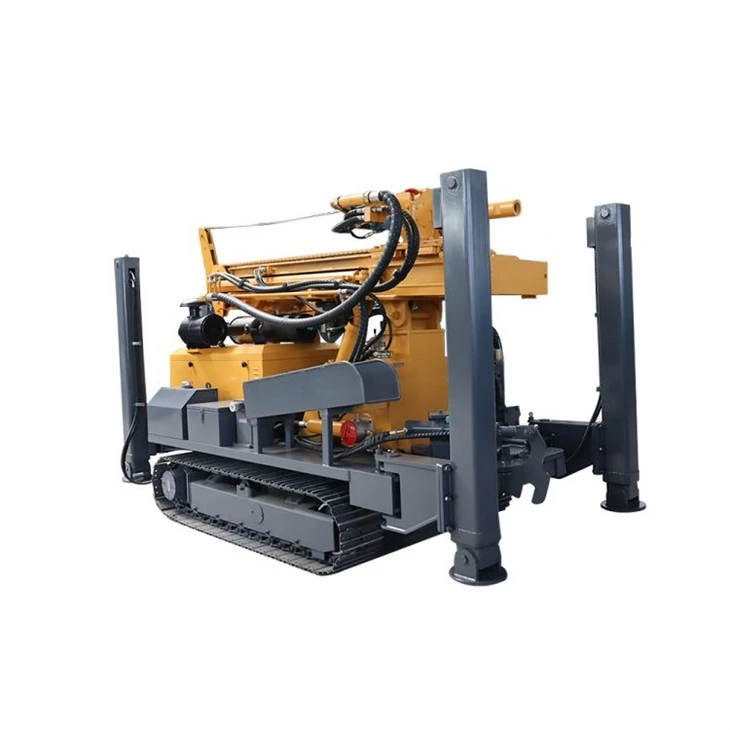
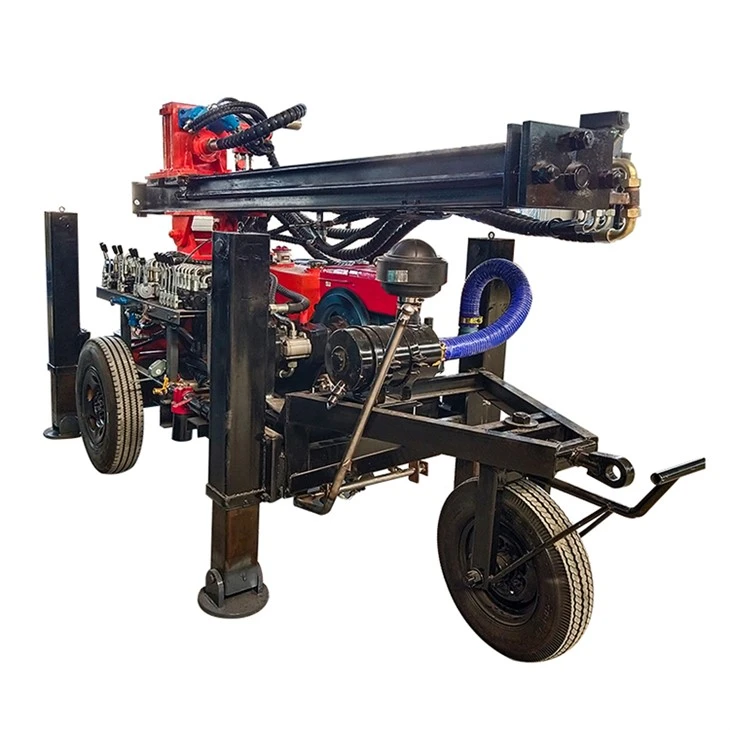
If you are in the market for well - drilling water trucks, we invite you to explore our range of products. We also have related equipment such as water well drilling rigs, Wheels Hydraulic Water Well Drilling Rig and water well drilling machine that can complement your well - drilling operations.
Conclusion
The history of well - drilling water trucks is a story of innovation and adaptation. From the ancient carts pulled by animals to the modern, high - tech well - drilling water trucks, these vehicles have played a vital role in the development of the well - drilling industry. As technology continues to advance, we can expect to see even more improvements in well - drilling water trucks, such as more efficient engines, better water - management systems, and enhanced safety features.
If you are interested in learning more about our well - drilling water trucks or are looking to purchase one for your well - drilling project, please feel free to contact us. Our team of experts is ready to assist you in finding the perfect well - drilling water truck for your needs.
References
- "A History of Well - Drilling Technology" by John Smith, published by Well - Drilling Press, 2015.
- "The Evolution of Water Transportation in the Industrial Age" by Mary Johnson, Industrial History Journal, 2018.
- "Modern Well - Drilling Equipment and Techniques" by David Brown, Drilling Industry Magazine, 2020.