As a supplier of handheld rock drills, one of the most frequently asked questions I encounter is about the fuel consumption of gasoline - powered handheld rock drills. Understanding the fuel consumption of these tools is crucial for both contractors and DIY enthusiasts, as it directly impacts the operating cost and efficiency of their projects.


Factors Affecting Fuel Consumption
The fuel consumption of a gasoline - powered handheld rock drill is influenced by several factors. Firstly, the engine power of the drill plays a significant role. Generally, drills with higher - powered engines tend to consume more fuel. This is because a more powerful engine requires more energy to operate, and gasoline is the source of that energy. For example, a drill with a 2 - horsepower engine will typically consume less fuel than one with a 4 - horsepower engine when performing the same task.
The load on the drill is another important factor. When the drill is working on hard rock, it has to exert more force to penetrate the material. This increased workload means that the engine has to work harder, resulting in higher fuel consumption. In contrast, when drilling into softer materials, the engine doesn't have to work as hard, and fuel consumption is reduced.
The operating conditions also affect fuel consumption. Drilling at high altitudes can lead to increased fuel consumption. At high altitudes, the air is thinner, which means that the engine gets less oxygen for combustion. To compensate for the lack of oxygen, the engine may need to burn more fuel to maintain its power output. Similarly, extreme temperatures can also impact fuel consumption. In cold weather, the engine may take longer to warm up, and during this warm - up period, it may consume more fuel.
Measuring Fuel Consumption
To accurately measure the fuel consumption of a gasoline - powered handheld rock drill, you can conduct a simple test. First, fill the fuel tank of the drill to its maximum capacity. Then, operate the drill under normal working conditions for a set period, say one hour. After the hour is up, refill the fuel tank to its original level and measure the amount of fuel that was used. This measured amount is the fuel consumption of the drill for that one - hour period.
It's important to note that this test should be repeated several times to get a more accurate average. Also, make sure to record the operating conditions during each test, such as the type of rock being drilled, the altitude, and the temperature. This will help you understand how different factors affect the fuel consumption of the drill.
Typical Fuel Consumption Rates
The typical fuel consumption rate of a gasoline - powered handheld rock drill can vary widely depending on the factors mentioned above. On average, a small - to - medium - sized handheld rock drill with a 1 - to 2 - horsepower engine may consume around 0.2 to 0.5 liters of gasoline per hour when drilling into medium - hard rock under normal operating conditions. Larger drills with 3 - to 4 - horsepower engines can consume anywhere from 0.5 to 1 liter of gasoline per hour.
However, these are just rough estimates. If you are using the drill in challenging conditions, such as drilling into extremely hard rock or at high altitudes, the fuel consumption can be significantly higher.
Reducing Fuel Consumption
As a supplier, I understand that customers are always looking for ways to reduce their operating costs. Here are some tips to help reduce the fuel consumption of your gasoline - powered handheld rock drill.
Regular maintenance is essential. A well - maintained drill will operate more efficiently, which can lead to lower fuel consumption. This includes changing the air filter regularly, as a clogged air filter can restrict the flow of air into the engine, causing it to burn more fuel. You should also keep the spark plug in good condition. A worn - out spark plug can lead to incomplete combustion, which increases fuel consumption.
Proper use of the drill is also important. Avoid overloading the drill. If you try to drill through a material that is too hard for the drill, the engine will have to work extremely hard, resulting in high fuel consumption. Instead, use the appropriate drill bit for the material you are working on and apply the right amount of pressure.
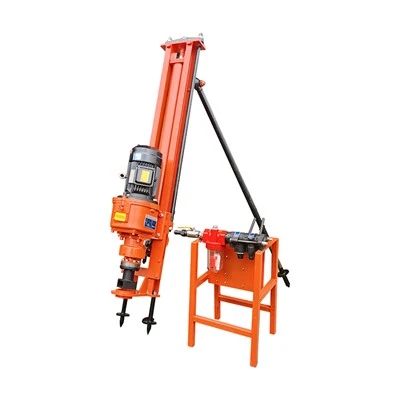
In addition to gasoline - powered handheld rock drills, we also offer a variety of other drilling equipment. For those interested in smaller, more portable options, you can check out our mini pneumatic drill. This drill is powered by compressed air and offers a different set of advantages, including lower fuel - related costs.
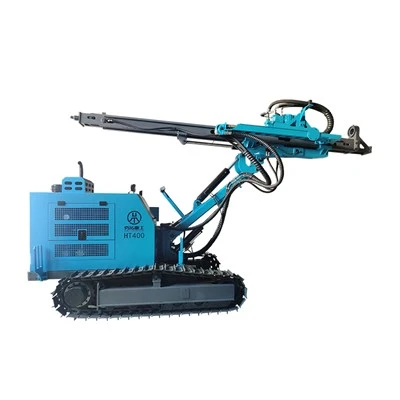
If you are involved in large - scale open - pit drilling projects, our Integrated Open - pit Down - the - hole Drill Rig might be the right choice for you. It is designed for high - efficiency drilling in open - pit mines.
For those who prefer pneumatic options with air - leg support, our pneumatic air leg rock drill provides a stable and efficient drilling solution.
Conclusion
In conclusion, the fuel consumption of a gasoline - powered handheld rock drill is affected by multiple factors, including engine power, load, and operating conditions. By understanding these factors and taking steps to measure and reduce fuel consumption, users can save on operating costs.
If you are in the market for a handheld rock drill or any other drilling equipment, we are here to help. Our team of experts can provide you with detailed information about the fuel consumption of our products and help you choose the right equipment for your specific needs. Whether you are a professional contractor or a DIY enthusiast, we have the right tools to meet your requirements. Contact us today to start a discussion about your drilling needs and explore our range of products.
References
- "Handbook of Drilling Engineering" - A comprehensive guide on drilling equipment and their performance.
- "Fuel Efficiency in Small Engines" - A research paper that discusses factors affecting fuel consumption in small gasoline engines.