In the realm of mining, construction, and various rock - related operations, the accuracy of a pneumatic rock drilling rig is of utmost importance. As a seasoned pneumatic rock drilling rig supplier, I've witnessed firsthand how precise drilling can significantly enhance productivity, reduce costs, and ensure the safety of operations. In this blog, I'll share some effective strategies to improve the drilling accuracy of a pneumatic rock drilling rig.
1. Rig Selection and Setup
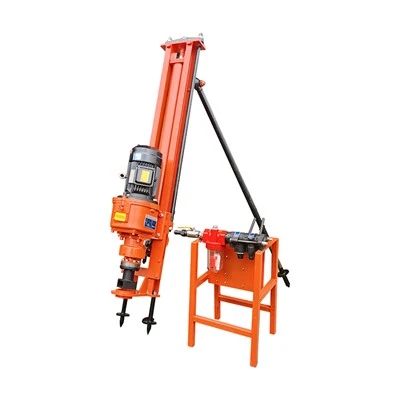
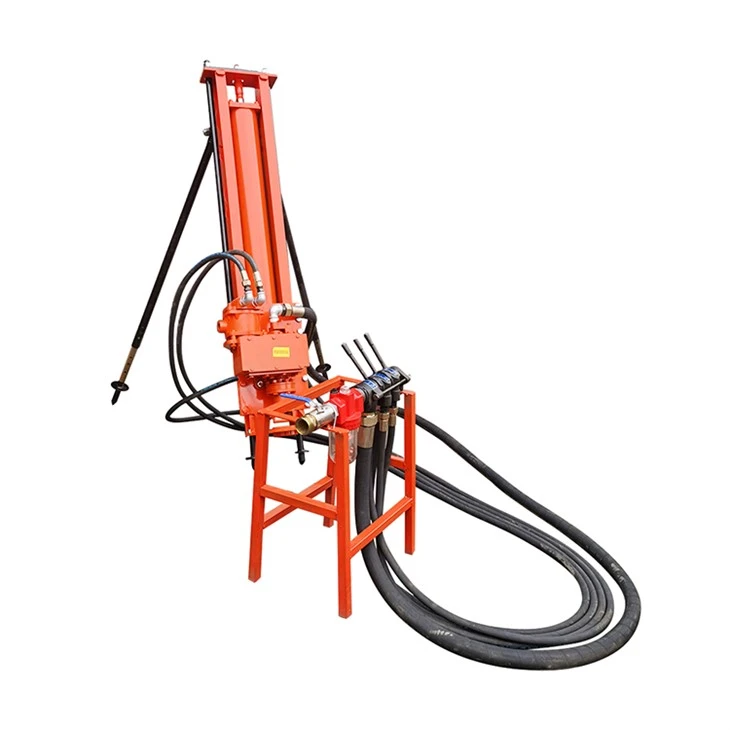
The first step towards accurate drilling starts with choosing the right rig for the job. We offer a diverse range of pneumatic rock drilling rigs, including the mini pneumatic drill and small down the hole drilling. These rigs are designed for different rock types and drilling depths, and selecting the appropriate one can greatly influence accuracy.
When setting up the rig, ensure that it is placed on a stable and level surface. An uneven base can cause the rig to tilt during drilling, leading to deviations from the intended drill path. Use leveling devices and stabilizers to secure the rig firmly. Additionally, check the alignment of the drill bit with the target point. This initial setup is crucial as any misalignment at this stage will be magnified as the drilling progresses.
2. Drill Bit and Tooling
The quality of the drill bit and other tooling components has a direct impact on drilling accuracy. A dull or worn - out drill bit can cause the rig to wander off course, resulting in inaccurate holes. Regularly inspect and replace drill bits to ensure they are sharp and in good condition.
Choose the right type of drill bit for the specific rock formation. For example, in hard rocks, a tungsten - carbide - tipped bit may be more suitable, while in softer rocks, a different design might offer better performance. Moreover, ensure that all tooling is properly installed and tightened. Loose connections can lead to vibrations and instability during drilling, affecting the accuracy of the holes.
3. Air Supply and Pressure
Pneumatic rock drilling rigs rely on compressed air to operate. Maintaining a consistent and appropriate air supply is essential for accurate drilling. Fluctuations in air pressure can cause the drill bit to operate erratically, leading to inaccurate holes.
Regularly check the air compressor and ensure that it is providing the required pressure and volume of air. Monitor the air pressure gauge on the rig and make adjustments as necessary. A stable air supply helps to keep the drill bit rotating smoothly and steadily, improving the overall drilling accuracy.
4. Operator Training
Even the best - equipped rig can perform poorly if the operator lacks the necessary skills and knowledge. Provide comprehensive training to operators on how to use the pneumatic rock drilling rig correctly. Training should cover aspects such as rig setup, drill bit selection, air pressure management, and troubleshooting.
Experienced operators are more likely to detect early signs of problems during drilling, such as abnormal vibrations or changes in drilling resistance. They can make timely adjustments to ensure that the drilling remains on course. Encourage operators to follow standard operating procedures and to document their drilling operations for future reference and analysis.

5. Monitoring and Measurement
Implement a system for monitoring and measuring the drilling process. Use sensors and instruments to track parameters such as drill depth, angle, and deviation from the target. This real - time data can help operators make immediate adjustments to correct any inaccuracies.
For example, inclinometers can be used to measure the angle of the drill hole, while depth sensors can provide accurate information about how far the drill has penetrated. By regularly reviewing this data, operators can ensure that the drilling is proceeding as planned and take corrective action if necessary.
6. Geological Analysis
Before starting the drilling operation, conduct a thorough geological analysis of the site. Understanding the rock structure, composition, and any potential faults or fractures can help in planning the drilling process more accurately.
For instance, if there are known fault lines in the area, the drilling plan can be adjusted to avoid them or to take extra precautions when drilling near them. This pre - drilling analysis allows for a more informed approach, reducing the likelihood of unexpected problems that could affect drilling accuracy.
7. Maintenance and Servicing
Regular maintenance and servicing of the pneumatic rock drilling rig are vital for maintaining its accuracy. Schedule routine inspections to check for worn - out parts, leaks, and other issues. Replace any damaged components promptly to prevent further deterioration of the rig's performance.
Lubricate moving parts regularly to reduce friction and wear. A well - maintained rig operates more smoothly and is less likely to experience mechanical problems that could affect drilling accuracy. Keep detailed records of all maintenance activities to track the rig's performance over time.
8. Advanced Technologies
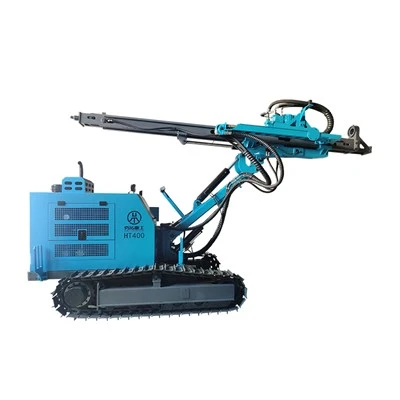
Consider investing in advanced technologies to improve drilling accuracy. For example, some of our Integrated Open - pit Down - the - hole Drill Rigs are equipped with automated control systems. These systems can precisely control the drilling parameters, such as drill speed, feed rate, and angle, based on pre - programmed settings.
In addition, technologies like GPS - guided drilling can provide highly accurate positioning information, ensuring that the drill holes are placed exactly where they are needed. Although these advanced technologies may require a higher initial investment, they can significantly improve the long - term accuracy and efficiency of drilling operations.
9. Post - Drilling Analysis
After completing the drilling operation, conduct a post - drilling analysis. Examine the drilled holes to assess their accuracy. Measure the diameter, depth, and angle of the holes and compare them with the design specifications.
If any inaccuracies are detected, analyze the possible causes. This analysis can help in identifying areas for improvement in future drilling operations. Use the lessons learned from each project to refine the drilling process and enhance the overall accuracy of the pneumatic rock drilling rig.
Contact for Purchase and Consultation
Improving the drilling accuracy of a pneumatic rock drilling rig requires a comprehensive approach that encompasses rig selection, tooling, operator training, and the use of advanced technologies. At our company, we are committed to providing high - quality pneumatic rock drilling rigs and offering professional advice to help you achieve the best drilling results.
If you are interested in purchasing a pneumatic rock drilling rig or need more information on how to improve drilling accuracy, please feel free to contact us. Our team of experts is ready to assist you in making the right choices for your specific needs.
References
- Smith, J. (2018). Pneumatic Rock Drilling Technology. Mining Journal, 45(2), 78 - 85.
- Johnson, A. (2019). Drilling Accuracy in Rock Formations. Construction Engineering Review, 32(3), 123 - 131.
- Brown, C. (2020). Operator Training for Pneumatic Rock Drilling Rigs. Industrial Training Magazine, 18(4), 56 - 62.