What is the energy efficiency of a pneumatic air leg rock drill?
As a supplier in the field of rock drilling equipment, I'm often asked about the energy efficiency of pneumatic air leg rock drills. In this blog, I'll delve into this topic to provide a comprehensive understanding for those interested in these powerful tools.
Understanding Pneumatic Air Leg Rock Drills
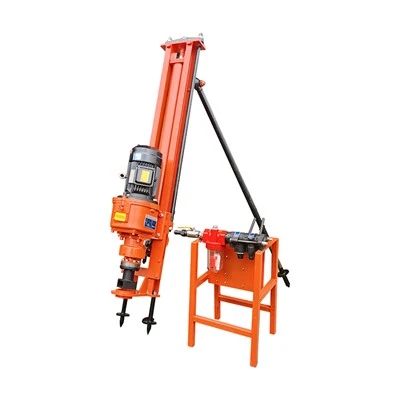
A pneumatic air leg rock drill is a commonly used piece of equipment in the mining and construction industries. It operates by using compressed air to drive the drill bit into the rock. The air leg, as its name suggests, provides support and can be adjusted to different angles and heights, making the drilling process more flexible and efficient.
The basic principle behind the operation of a pneumatic air leg rock drill involves converting the energy of compressed air into mechanical energy. Compressed air is supplied to the drill, where it acts on a piston or other moving parts. The movement of these parts then transfers the force to the drill bit, causing it to rotate and penetrate the rock.
Factors Affecting Energy Efficiency
Several factors can influence the energy efficiency of a pneumatic air leg rock drill.
Compressed Air Quality: The quality of the compressed air is crucial. Moisture, oil, and debris in the compressed air can cause wear and tear on the internal components of the drill, reducing its efficiency. For example, moisture can lead to corrosion, and oil can clog the air passages. To ensure optimal performance, it's essential to use air filters and dryers to remove these contaminants.
Air Pressure: The air pressure supplied to the drill also plays a significant role. If the air pressure is too low, the drill may not have enough power to penetrate the rock effectively, resulting in longer drilling times and increased energy consumption. On the other hand, if the air pressure is too high, it can cause excessive wear on the drill components and may also lead to unnecessary energy waste. Most manufacturers specify the optimal air pressure range for their drills, and it's important to adhere to these guidelines.


Drill Bit Condition: The condition of the drill bit is another important factor. A dull or worn drill bit requires more force to penetrate the rock, which in turn increases the energy consumption of the drill. Regularly inspecting and replacing the drill bit when necessary can significantly improve the energy efficiency of the pneumatic air leg rock drill.
Rock Type: Different types of rocks have different hardness and density, which can affect the energy efficiency of the drill. For example, drilling through hard granite requires more energy than drilling through softer limestone. Understanding the properties of the rock and selecting the appropriate drill bit and operating parameters can help optimize energy use.
Measuring Energy Efficiency
Energy efficiency in a pneumatic air leg rock drill can be measured in several ways. One common metric is the specific energy consumption, which is defined as the amount of energy required to drill a unit volume of rock. This metric takes into account both the energy input (in the form of compressed air) and the drilling performance (in terms of the volume of rock drilled).
Another way to assess energy efficiency is by looking at the drill's penetration rate. A higher penetration rate means that the drill can complete the drilling task more quickly, which generally indicates better energy efficiency. However, it's important to note that the penetration rate can also be affected by factors such as rock type and drill bit condition, so it should be considered in conjunction with other metrics.
Comparison with Other Rock Drills
When comparing the energy efficiency of pneumatic air leg rock drills with other types of rock drills, such as Hand Held Rock Drill or mini pneumatic drill, several factors need to be considered.
Handheld rock drills are typically more portable and easier to operate in tight spaces, but they may have lower energy efficiency compared to pneumatic air leg rock drills, especially when dealing with larger drilling tasks. This is because handheld drills often rely on the operator's physical strength to apply pressure, which can be less consistent and efficient than the support provided by an air leg.
Mini pneumatic drills are designed for smaller-scale drilling operations and are generally more energy-efficient than larger drills when used in appropriate applications. However, they may not have the same power and drilling capacity as pneumatic air leg rock drills, which are better suited for more demanding mining and construction projects.
Tips for Improving Energy Efficiency
As a supplier, we always strive to help our customers improve the energy efficiency of their pneumatic air leg rock drills. Here are some practical tips:
- Regular Maintenance: Ensure that the drill is properly maintained, including cleaning, lubricating, and inspecting the components regularly. This can help prevent premature wear and tear and keep the drill operating at peak efficiency.
- Proper Air Supply: Use a high-quality air compressor and ensure that the compressed air is clean and dry. Monitor the air pressure and adjust it as needed to maintain optimal performance.
- Select the Right Drill Bit: Choose the drill bit that is most suitable for the type of rock being drilled. This can improve the drilling efficiency and reduce energy consumption.
- Operator Training: Provide comprehensive training to the operators to ensure that they understand how to use the drill correctly and efficiently. Proper operating techniques can have a significant impact on energy efficiency.
Conclusion
In conclusion, the energy efficiency of a pneumatic air leg rock drill is influenced by a variety of factors, including compressed air quality, air pressure, drill bit condition, and rock type. By understanding these factors and taking appropriate measures to optimize them, operators can significantly improve the energy efficiency of their drills.
If you're in the market for a pneumatic air leg rock drill or need more information about improving energy efficiency, feel free to reach out to us for a detailed discussion. Our team of experts is always ready to assist you in finding the right solution for your drilling needs.
References
- [source 1] Some textbook or research paper on rock drilling equipment and energy efficiency
- [source 2] A technical manual from a well - known pneumatic air leg rock drill manufacturer
- [source 3] Industry reports on the performance and energy consumption of different types of rock drills