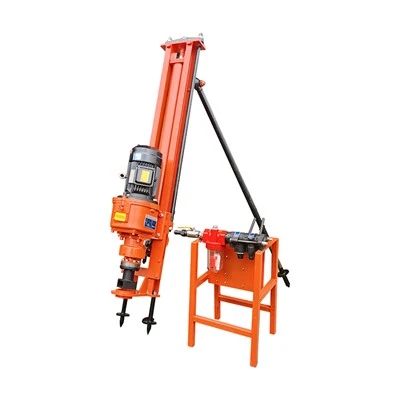
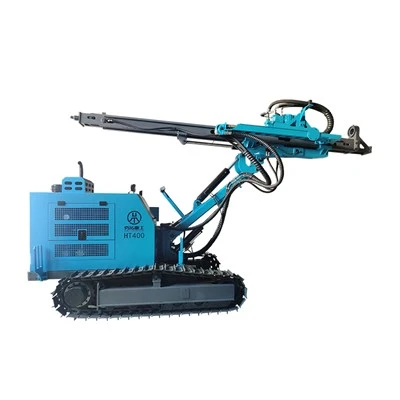
Hey there! As a supplier of DTH (Down-The-Hole) hammers, I often get asked about the drilling speed of these bad boys. So, let's dive right in and break it down.
First off, what the heck is a DTH hammer? Well, it's a powerful tool used in various drilling applications, like mining, construction, and geothermal projects. It works by using compressed air to drive a piston inside the hammer, which then strikes the drill bit, breaking through rock and other tough materials.
Now, the drilling speed of a DTH hammer isn't a one - size - fits - all deal. There are several factors that can affect how fast it can drill.
Factors Affecting Drilling Speed
Rock Type
The type of rock you're drilling through is a huge factor. Soft rocks, like limestone or sandstone, are a breeze for DTH hammers. You can expect relatively high drilling speeds in these materials. For example, in soft sandstone, a well - functioning DTH hammer can drill at speeds of up to 100 feet per hour. On the other hand, hard rocks like granite or basalt are much more challenging. Drilling through granite might only get you a speed of 10 - 20 feet per hour. The harder the rock, the more energy the hammer needs to break it, and that slows down the drilling process.
Air Pressure
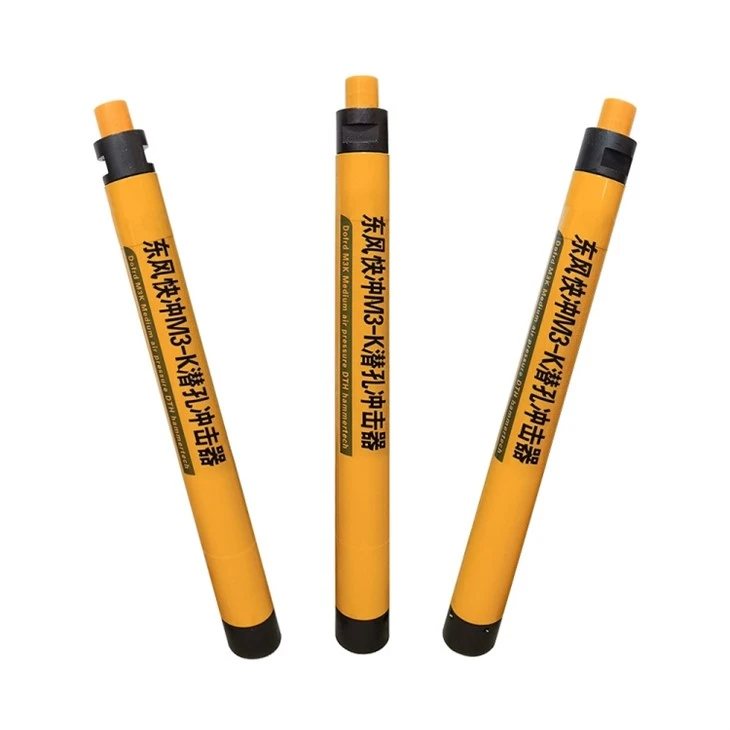
The air pressure supplied to the DTH hammer is crucial. Higher air pressure generally means more power for the piston inside the hammer, which can lead to faster drilling. We've got different types of DTH hammers based on air pressure requirements. There's the Low Pressure Down - the - hole Hammer, which operates at lower air pressures, usually around 7 - 9 bar. These are great for less demanding applications where you don't need super - high speeds. Then there's the medium air pressure dth hammer, which works at pressures between 9 - 14 bar. They offer a good balance between power and efficiency. And for the really tough jobs, we have high - pressure hammers that can operate at pressures above 14 bar.
Hammer Size
The size of the DTH hammer also plays a role. Larger hammers typically have more power and can break through rock more effectively. However, they also require more air and energy to operate. A smaller DTH hammer might be more suitable for shallower or less demanding drilling jobs, and it can be more mobile and easier to handle. But if you're going deep and need to drill through hard rock, a larger hammer is the way to go.
Drill Bit Quality
The drill bit is the part that actually comes into contact with the rock. A high - quality drill bit with sharp teeth or cutting edges will drill faster than a worn - out or low - quality one. It's important to regularly inspect and replace drill bits to maintain optimal drilling speed.
Real - World Examples
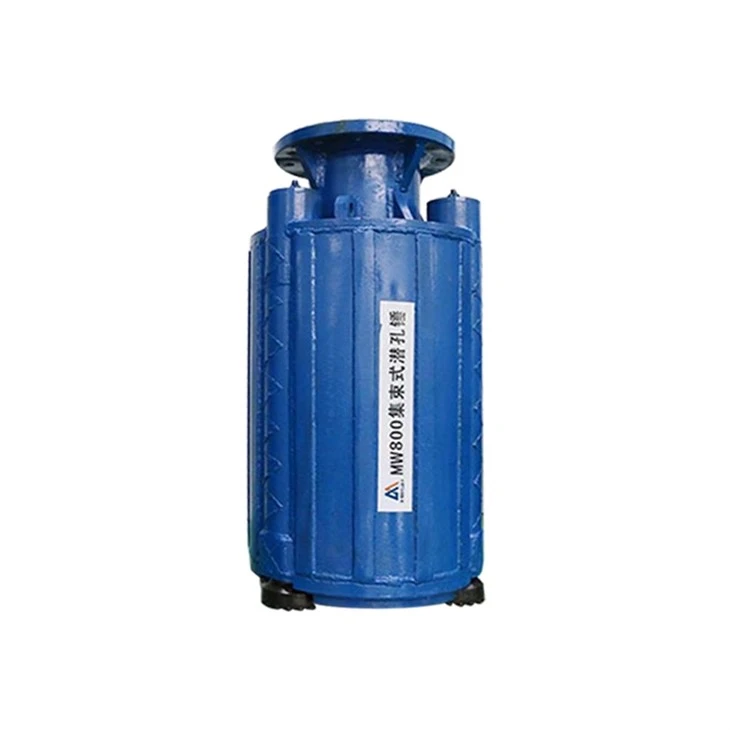
Let's say you're working on a mining project. You're using a Cluster DTH Drilling Hammer in a gold mine where the rock is a mix of quartz and some softer sedimentary layers. With a medium - pressure air supply and a well - maintained drill bit, you can expect a drilling speed of around 30 - 50 feet per hour. This might vary depending on the exact composition of the rock and how well the hammer is set up.
In a construction project, like building a foundation, you might be drilling through soil and some light - density rock. A low - pressure DTH hammer could be used here, and you could achieve speeds of 60 - 80 feet per hour.
Measuring Drilling Speed
To measure the drilling speed, you simply record the time it takes to drill a certain depth. For example, if you drill 50 feet in 2 hours, your drilling speed is 25 feet per hour. It's a pretty straightforward calculation, but it's important to account for any breaks or delays during the drilling process.
Tips to Improve Drilling Speed
- Proper Maintenance: Regularly clean and lubricate the DTH hammer. Check for any worn - out parts and replace them promptly. A well - maintained hammer will operate more efficiently and drill faster.
- Optimal Air Supply: Make sure you're providing the right amount of air pressure for your specific hammer. Too little air and the hammer won't have enough power; too much air can cause unnecessary wear and tear.
- Choose the Right Hammer and Bit: Select the appropriate hammer size and drill bit based on the rock type and the requirements of your project.
Why Choose Our DTH Hammers
As a supplier, we take pride in offering high - quality DTH hammers. Our hammers are designed to be durable, efficient, and easy to maintain. We've got a wide range of models to suit different applications and budgets. Whether you're a small - scale contractor or a large - scale mining company, we've got the right DTH hammer for you.
If you're in the market for a DTH hammer and want to learn more about how our products can meet your drilling speed requirements, don't hesitate to reach out. We're here to help you choose the best equipment for your project and ensure that you get the most out of it. Whether it's advice on air pressure settings, drill bit selection, or just general questions about DTH hammers, our team of experts is ready to assist. Let's start a conversation and see how we can work together to make your drilling projects more successful.
References
- "Drilling Engineering Handbook" - A comprehensive guide on all aspects of drilling, including DTH hammers.
- Industry reports on DTH hammer performance and advancements.