As a drilling rod supplier, I've witnessed firsthand the critical role these components play in various industries, from mining and construction to oil and gas exploration. Drilling rods are the backbone of any drilling operation, transmitting power from the drill rig to the drill bit and ensuring efficient and effective drilling. In this blog post, I'll delve into the design principles of drilling rods, exploring the key factors that influence their performance and durability.
Material Selection
The choice of material is fundamental to the design of a drilling rod. The material must possess the necessary strength, toughness, and corrosion resistance to withstand the harsh conditions encountered during drilling. Common materials used for drilling rods include high-strength alloy steels, which offer a good balance of mechanical properties and cost. These steels are typically heat-treated to enhance their strength and hardness, making them suitable for demanding applications.
For example, in applications where the drilling rod is exposed to abrasive rock formations, a material with high wear resistance is essential. High-speed steel (HSS) or carbide-tipped rods are often used in such cases, as they can withstand the intense friction and abrasion generated during drilling. On the other hand, in corrosive environments, such as offshore drilling or mining in acidic soils, corrosion-resistant materials like stainless steel or coated steels are preferred.
Geometric Design
The geometric design of a drilling rod is another crucial aspect that affects its performance. The rod's diameter, length, and wall thickness are carefully selected to optimize its strength, stiffness, and weight. A larger diameter rod generally provides greater strength and stiffness, but it also adds weight and cost. Conversely, a smaller diameter rod is lighter and more flexible, but it may not be suitable for heavy-duty applications.
The length of the drilling rod is determined by the depth of the borehole and the type of drilling equipment being used. Longer rods are typically used for deep drilling applications, as they allow for continuous drilling without the need for frequent rod connections. However, longer rods also require more powerful drilling rigs to handle the increased weight and torque.
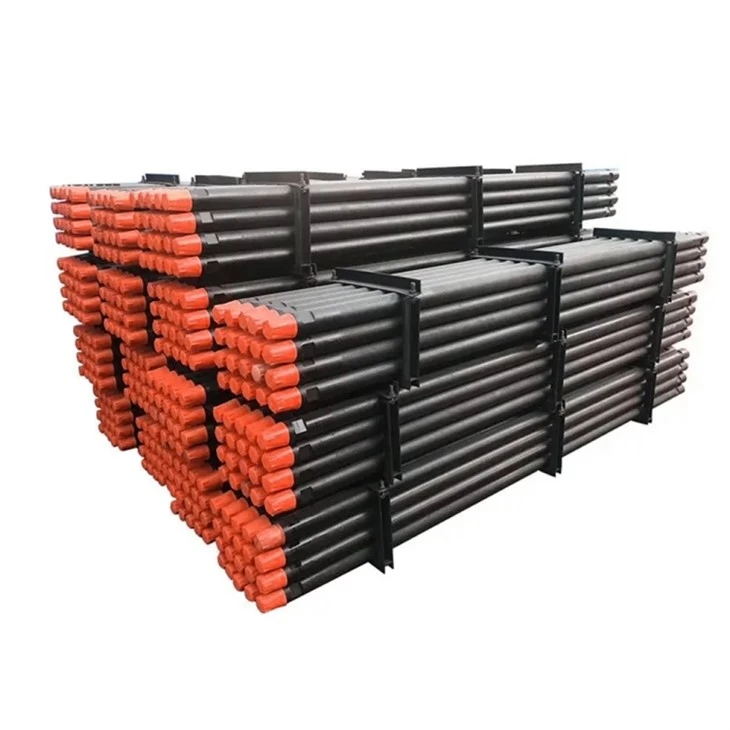
The wall thickness of the drilling rod is designed to provide sufficient strength to withstand the internal pressure and external loads during drilling. A thicker wall provides greater strength and durability, but it also increases the weight of the rod. Therefore, the wall thickness is carefully optimized to balance strength and weight.
Connection Design
The connection between the drilling rod and the drill bit or other components is a critical area that requires careful design. A secure and reliable connection is essential to ensure the efficient transfer of power and torque from the drill rig to the drill bit. There are several types of connections used in drilling rods, including threaded connections, friction welds, and spline connections.
Threaded connections are the most common type of connection used in drilling rods. They are relatively simple and easy to install, and they provide a strong and reliable connection. However, threaded connections can be prone to loosening during drilling, especially in high-vibration applications. To prevent this, special locking mechanisms or thread-locking compounds are often used.
Friction welds are another type of connection that is commonly used in drilling rods. Friction welding involves heating the ends of two rods to a high temperature and then applying pressure to join them together. This process creates a strong and seamless connection that is resistant to fatigue and corrosion. Friction-welded rods are often used in high-performance applications where reliability is crucial.
Spline connections are used in some drilling rods to provide a precise and secure connection between the rod and the drill bit. Spline connections consist of a series of teeth or grooves on the rod and the drill bit that interlock with each other. This type of connection allows for the transfer of high torque and is commonly used in applications where high precision is required.
Surface Treatment
Surface treatment is an important step in the design of a drilling rod. It can improve the rod's corrosion resistance, wear resistance, and fatigue life. Common surface treatments used for drilling rods include painting, galvanizing, and nitriding.

Painting is a simple and cost-effective way to protect the drilling rod from corrosion. A high-quality paint coating can provide a barrier between the rod and the environment, preventing moisture and other corrosive agents from reaching the surface of the rod.
Galvanizing is a process that involves coating the drilling rod with a layer of zinc. Zinc is a highly corrosion-resistant metal that can provide long-term protection against rust and corrosion. Galvanized rods are commonly used in outdoor applications where the rod is exposed to moisture and other corrosive elements.
Nitriding is a surface treatment process that involves introducing nitrogen into the surface of the drilling rod. This process can improve the rod's hardness, wear resistance, and fatigue life. Nitrided rods are often used in high-performance applications where the rod is subjected to high loads and stresses.
Quality Control
Quality control is an essential part of the design and manufacturing process of drilling rods. A rigorous quality control program ensures that the rods meet the required standards and specifications. This includes testing the rods for strength, hardness, and dimensional accuracy, as well as inspecting them for defects and imperfections.
At our company, we have a comprehensive quality control system in place to ensure the highest quality of our drilling rods. We use advanced testing equipment and techniques to test our rods at every stage of the manufacturing process, from raw material inspection to final product testing. Our quality control team is highly trained and experienced, and they are committed to ensuring that every rod that leaves our facility meets or exceeds our customers' expectations.
Conclusion
In conclusion, the design of a drilling rod is a complex process that involves careful consideration of several factors, including material selection, geometric design, connection design, surface treatment, and quality control. By understanding these design principles, you can choose the right drilling rod for your specific application and ensure the efficient and effective operation of your drilling equipment.
If you're in the market for high-quality drilling rods, we invite you to explore our product range. We offer a wide variety of rock Drill Rods, Steel Drill Rod, and Top Hammer Drill Rods to meet the needs of different industries and applications. Our experienced team is always ready to assist you in selecting the right rod for your project and providing you with the support and expertise you need.
Contact us today to discuss your drilling rod requirements and learn more about how we can help you achieve your drilling goals.
References
- ASME Boiler and Pressure Vessel Code, Section VIII, Division 1
- API Specification 5DP, Drill Pipe
- ISO 11960:2017, Petroleum and natural gas industries - Steel pipes for use as casing or tubing for wells