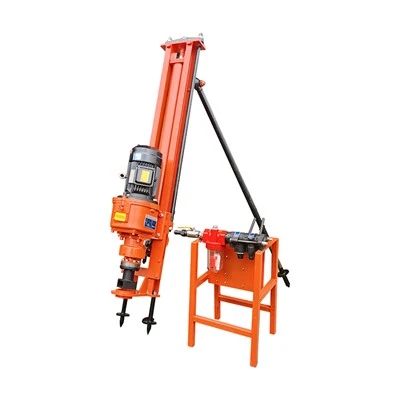
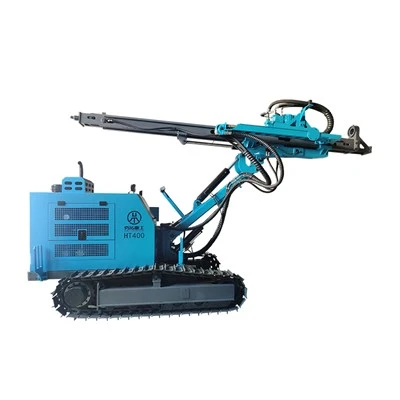
Adjusting the impact force of a hand rock drill is a crucial skill that can significantly enhance the efficiency and effectiveness of rock drilling operations. As a hand rock drill supplier, we understand the importance of providing our customers with the knowledge and tools to optimize the performance of our equipment. In this blog post, we will discuss the key factors that affect the impact force of a hand rock drill and provide practical tips on how to adjust it for different drilling applications.

Understanding the Impact Force of a Hand Rock Drill
The impact force of a hand rock drill is the energy generated by the drill's piston when it strikes the drill bit. This force is responsible for breaking the rock and creating a hole. The impact force is determined by several factors, including the air pressure, the stroke length of the piston, the weight of the piston, and the design of the drill.
- Air Pressure: The air pressure is the most significant factor affecting the impact force of a hand rock drill. Higher air pressure results in a greater impact force, but it also increases the wear and tear on the drill components. Therefore, it is essential to find the optimal air pressure for your drilling application.
- Stroke Length of the Piston: The stroke length of the piston is the distance the piston travels inside the drill cylinder. A longer stroke length generally results in a greater impact force, but it also reduces the drilling speed.
- Weight of the Piston: The weight of the piston also affects the impact force. A heavier piston generates more energy when it strikes the drill bit, resulting in a greater impact force.
- Design of the Drill: The design of the drill, including the shape and size of the drill bit, the type of air distribution system, and the quality of the materials used, can also affect the impact force.
Factors Affecting the Impact Force
Before we delve into the adjustment methods, it's important to understand the various factors that can influence the impact force of a hand rock drill. These factors include:
- Air Pressure: The air pressure supplied to the drill is directly proportional to the impact force. Higher air pressure generally results in a greater impact force, but it also increases the wear and tear on the drill components.
- Drill Bit Condition: A dull or damaged drill bit can significantly reduce the impact force. It is essential to regularly inspect and replace the drill bit to ensure optimal performance.
- Rock Hardness: The hardness of the rock being drilled also affects the impact force. Harder rocks require a higher impact force to break through.
- Operator Technique: The way the operator holds and applies pressure to the drill can also influence the impact force. Proper operator technique is crucial for achieving consistent and efficient drilling.
How to Adjust the Impact Force
Now that we understand the factors affecting the impact force, let's discuss how to adjust it for different drilling applications.

- Adjusting the Air Pressure: The most common way to adjust the impact force of a hand rock drill is by adjusting the air pressure. Most hand rock drills are equipped with a pressure regulator that allows you to increase or decrease the air pressure. To increase the impact force, simply turn the pressure regulator clockwise to increase the air pressure. Conversely, to decrease the impact force, turn the pressure regulator counterclockwise. It is important to note that the air pressure should not exceed the maximum recommended pressure specified by the drill manufacturer.
- Changing the Drill Bit: As mentioned earlier, a dull or damaged drill bit can significantly reduce the impact force. If you notice a decrease in the drilling performance, it may be time to replace the drill bit. When choosing a drill bit, consider the hardness of the rock and the type of drilling application. For harder rocks, choose a drill bit with a stronger carbide tip.
- Optimizing the Operator Technique: Proper operator technique is crucial for achieving consistent and efficient drilling. When using a hand rock drill, hold the drill firmly with both hands and apply steady pressure. Avoid applying too much pressure, as this can cause the drill bit to bind and reduce the impact force. Instead, let the drill do the work and use a light touch to guide the drill.
- Maintaining the Drill: Regular maintenance of the hand rock drill is essential for ensuring optimal performance. Keep the drill clean and lubricated, and inspect the drill components regularly for wear and tear. Replace any worn or damaged parts immediately to prevent further damage to the drill.
Tips for Different Drilling Applications
The optimal impact force for a hand rock drill depends on the type of drilling application. Here are some tips for adjusting the impact force for different drilling applications:

- Soft Rocks: For soft rocks, such as sandstone or limestone, a lower impact force is usually sufficient. Start with a lower air pressure and gradually increase it if necessary. This will help prevent the drill bit from overheating and reduce the wear and tear on the drill components.
- Hard Rocks: For hard rocks, such as granite or quartzite, a higher impact force is required. Increase the air pressure to the maximum recommended level and use a drill bit with a stronger carbide tip. It may also be necessary to use a slower drilling speed to prevent the drill bit from breaking.
- Shallow Drilling: For shallow drilling applications, a lower impact force may be sufficient. This will help prevent the drill bit from going too deep and causing damage to the surrounding area.
- Deep Drilling: For deep drilling applications, a higher impact force is usually required. Increase the air pressure and use a drill bit with a longer length to reach the desired depth. It may also be necessary to use a water flush system to cool the drill bit and remove the rock cuttings.
Importance of Proper Impact Force Adjustment
Proper adjustment of the impact force is essential for several reasons:
- Efficiency: By adjusting the impact force to match the hardness of the rock, you can significantly improve the drilling efficiency. This means less time spent on each hole and more work completed in a shorter period.
- Tool Life: Using the correct impact force helps to reduce the wear and tear on the drill bit and other components of the hand rock drill. This extends the lifespan of the equipment and reduces the need for frequent replacements.
- Safety: An improperly adjusted impact force can lead to unstable drilling, which increases the risk of accidents. By ensuring the impact force is correct, you can maintain better control over the drill and enhance the safety of the operator.
Conclusion
Adjusting the impact force of a hand rock drill is a critical skill that can significantly improve the efficiency and effectiveness of your drilling operations. By understanding the factors that affect the impact force and following the tips outlined in this blog post, you can optimize the performance of your hand rock drill and achieve better results.
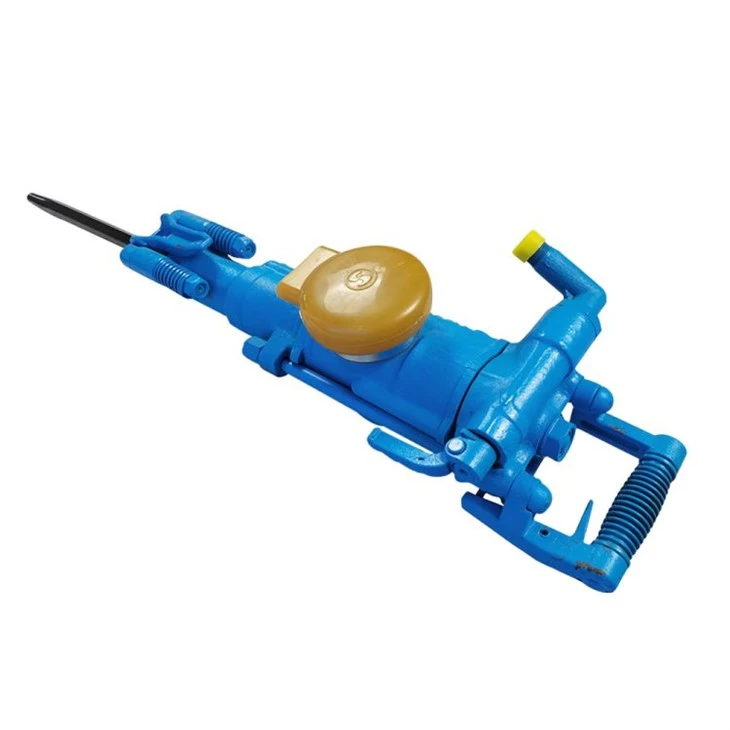
As a leading supplier of hand held rock drilling equipment, pneumatic air leg rock drill, and small down the hole drilling equipment, we are committed to providing our customers with the highest quality products and the best technical support. If you have any questions or need further assistance with adjusting the impact force of your hand rock drill, please do not hesitate to contact us. We look forward to discussing your specific requirements and helping you find the perfect solution for your drilling needs.
References
- Drill Manufacturer's Manuals
- Industry Standards for Rock Drilling Equipment
- Technical Papers on Rock Drilling Mechanics