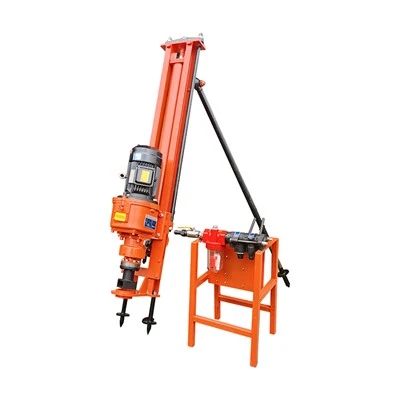
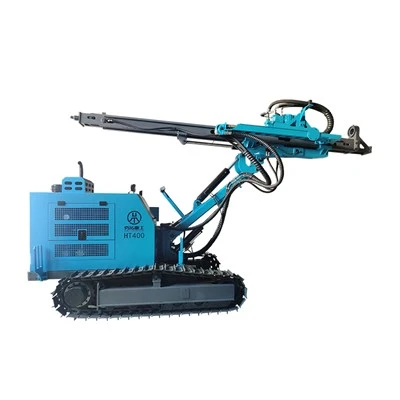
Hey there! As a supplier of mini rock drilling machines, I often get asked about the maintenance costs associated with these nifty tools. So, I thought I'd sit down and share some insights on what you can expect when it comes to keeping your mini rock drilling machine in tip - top shape.
First off, let's talk about the basics. Mini rock drilling machines are super handy for all sorts of projects, whether it's small - scale construction work, geotechnical investigations, or even some mining operations in tight spaces. But like any piece of equipment, they need regular maintenance to perform at their best and last a long time.
Wear and Tear Parts
One of the biggest factors in maintenance costs is replacing wear and tear parts. The drill bits, for example, take a beating when they're drilling through rock. Over time, the cutting edges wear down, and the bit loses its efficiency. You'll need to replace the drill bits regularly, depending on how often you use the machine and the type of rock you're drilling. Harder rocks will cause more wear on the bits.
The drill rods are another part that can wear out. They can get bent, scratched, or develop cracks from the constant vibration and stress during drilling. If you notice any signs of damage to the drill rods, it's important to replace them right away. A damaged drill rod can not only affect the performance of the machine but also pose a safety risk.
Then there are the seals and gaskets. These are crucial for keeping the hydraulic or pneumatic systems of the mini rock drilling machine working properly. Seals prevent leaks, and gaskets ensure a tight fit between different components. When they start to wear out, you might notice fluid leaks or a drop in pressure, which can lead to reduced performance. Replacing seals and gaskets is relatively inexpensive compared to some other parts, but it's still an ongoing cost.
Lubrication
Proper lubrication is essential for the smooth operation of a mini rock drilling machine. The moving parts, such as the gears, bearings, and pistons, need to be lubricated regularly to reduce friction and prevent premature wear. You'll need to use the right type of lubricant for your machine, as specified in the manufacturer's manual.
The cost of lubricants can add up over time, especially if you use the machine frequently. But it's a necessary expense. Skipping lubrication can lead to serious damage to the machine, which would cost a lot more to repair. You also need to change the lubricant at the recommended intervals. Old lubricant can become contaminated with dirt and debris, which can cause problems for the machine.
Hydraulic and Pneumatic Systems
If your mini rock drilling machine uses a hydraulic or pneumatic system, you'll need to keep an eye on the fluid levels and the condition of the hoses and valves. Hydraulic fluid needs to be changed periodically to maintain its performance. Contaminated or degraded hydraulic fluid can cause the system to malfunction, leading to reduced drilling power and potential damage to the pump and other components.
The hoses in the hydraulic or pneumatic system can also wear out or get damaged. A leaking hose can not only waste fluid but also pose a safety hazard. You'll need to inspect the hoses regularly and replace them if you notice any signs of wear, such as cracks or bulges.
Valves are another important part of the system. They control the flow of fluid or air, and if they malfunction, it can affect the operation of the machine. Cleaning or replacing valves might be necessary from time to time, depending on the usage and the quality of the fluid or air in the system.


Electrical Components (if applicable)
Some mini rock drilling machines have electrical components, such as motors or control panels. These components need to be maintained as well. You'll need to check the wiring for any signs of damage, such as frayed wires or loose connections. A damaged electrical system can not only cause the machine to stop working but also be a fire hazard.
The electrical motors need to be kept clean and well - ventilated. Overheating can damage the motor, so it's important to make sure the cooling system is working properly. If the motor starts to make strange noises or shows signs of reduced performance, it might need to be serviced or replaced.
Preventive Maintenance vs. Reactive Maintenance
It's always better to go for preventive maintenance rather than reactive maintenance. Preventive maintenance means performing regular checks and servicing on the machine before any major problems occur. This can help you catch small issues early and fix them before they turn into big, expensive problems.
For example, if you notice a small leak in a hydraulic hose during a regular inspection, you can replace the hose right away. If you ignore it, the leak could get worse, and you might end up damaging other components of the hydraulic system, which would cost a lot more to repair.
Reactive maintenance, on the other hand, means waiting until something breaks down before you fix it. This can be more expensive in the long run, as you might have to replace multiple parts or even the entire machine if the damage is severe.
Cost - Saving Tips
There are a few things you can do to reduce the maintenance costs of your mini rock drilling machine. First, train your operators properly. A well - trained operator knows how to use the machine correctly, which can reduce wear and tear on the parts. They'll also be able to spot early signs of problems and report them right away.
Second, keep the machine clean. After each use, remove any dirt, dust, or debris from the machine. This can prevent the build - up of contaminants that can cause damage to the components.
Third, buy high - quality parts. While they might cost a bit more upfront, they tend to last longer and perform better, which can save you money in the long run. You can check out our Integrated Open - pit Down - the - hole Drill Rig and hand held rock drilling equipment for more information on the quality parts we offer.
Finally, follow the manufacturer's maintenance schedule. This is designed to keep your machine in good condition and ensure its longevity.
Conclusion
So, to sum it up, the maintenance costs of a mini rock drilling machine include the cost of replacing wear and tear parts, lubrication, maintaining the hydraulic or pneumatic systems, and taking care of the electrical components (if applicable). By following a preventive maintenance schedule, training your operators, and using high - quality parts, you can keep these costs under control.
If you're in the market for a mini rock drilling machine or want to learn more about our mini pneumatic drill, feel free to reach out. We're here to help you find the right machine for your needs and provide you with all the support you need for maintenance and operation. Contact us to start a procurement discussion and let's see how we can work together to make your drilling projects a success!
References
- Manufacturer's manuals for mini rock drilling machines
- Industry reports on rock drilling equipment maintenance
- Personal experience as a mini rock drilling machine supplier