What are the environmental impacts of using a hand rock drill?
As a supplier of hand rock drills, I've witnessed firsthand the widespread use of these powerful tools in various industries, from mining and construction to quarrying. While hand rock drills are indispensable for many operations, it's crucial to recognize and understand their environmental impacts. In this blog post, I'll delve into the key environmental considerations associated with using hand rock drills and explore potential mitigation strategies.
Noise Pollution
One of the most significant environmental impacts of using a hand rock drill is noise pollution. These drills generate high levels of noise, often exceeding 100 decibels (dB) at the source. Prolonged exposure to such high noise levels can have detrimental effects on human health, including hearing loss, stress, and sleep disturbances. Moreover, noise pollution can also disrupt wildlife habitats, affecting animal behavior, communication, and reproduction.
To mitigate the impact of noise pollution, it's essential to use proper hearing protection for operators and implement noise control measures at the worksite. This may include using noise barriers, mufflers, and enclosures to reduce the spread of noise. Additionally, scheduling drilling operations during less sensitive hours can help minimize the impact on nearby communities and wildlife.
Air Pollution
Another major environmental concern associated with hand rock drills is air pollution. The drilling process generates dust and particulate matter, which can contain harmful substances such as silica, asbestos, and heavy metals. Inhalation of these particles can cause serious health problems, including lung cancer, silicosis, and other respiratory diseases.
To reduce air pollution, it's important to implement dust control measures at the worksite. This may include using water sprays to suppress dust, installing dust collectors, and ensuring proper ventilation in enclosed spaces. Additionally, using drills with low-emission engines and proper maintenance can help minimize the release of pollutants into the air.
Energy Consumption
Hand rock drills typically rely on either electricity or compressed air to operate, both of which require energy. The energy consumption associated with using these drills can contribute to greenhouse gas emissions and climate change. Additionally, the extraction and production of energy sources such as coal, oil, and natural gas can have significant environmental impacts, including habitat destruction, water pollution, and air pollution.
To reduce energy consumption, it's important to use energy-efficient drills and equipment. This may include choosing drills with high-efficiency motors, using variable speed drives to adjust the drill's speed based on the workload, and implementing energy management systems to optimize energy use. Additionally, using renewable energy sources such as solar and wind power can help reduce the environmental impact of drilling operations.
Water Pollution
The drilling process can also have an impact on water quality. Drilling fluids and lubricants used in the process can contain chemicals and heavy metals, which can contaminate groundwater and surface water. Additionally, the disposal of drilling waste, such as cuttings and sludge, can also pose a risk to water quality if not properly managed.
To prevent water pollution, it's important to use environmentally friendly drilling fluids and lubricants that are biodegradable and non-toxic. Additionally, proper management of drilling waste is essential to prevent contamination of water sources. This may include storing waste in lined pits, treating waste before disposal, and ensuring proper disposal at approved facilities.
Habitat Destruction
In some cases, the use of hand rock drills can lead to habitat destruction and fragmentation. This is particularly true in areas where drilling activities are carried out in natural habitats, such as forests, wetlands, and grasslands. The construction of access roads, drilling pads, and other infrastructure can disrupt wildlife habitats, fragment ecosystems, and lead to the loss of biodiversity.
To minimize habitat destruction, it's important to conduct environmental impact assessments before starting any drilling operations. This can help identify sensitive areas and develop strategies to avoid or minimize the impact on wildlife habitats. Additionally, implementing reclamation and restoration measures after drilling activities are completed can help restore damaged habitats and promote the recovery of biodiversity.


Mitigation Strategies
While the environmental impacts of using hand rock drills are significant, there are several strategies that can be implemented to mitigate these impacts. These include:
- Use of Advanced Technology: The development of advanced drilling technologies has led to the creation of more efficient and environmentally friendly hand rock drills. For example, some drills are now equipped with features such as variable speed control, automatic shut-off, and dust suppression systems, which can help reduce energy consumption, noise pollution, and air pollution.
- Proper Training and Maintenance: Ensuring that operators are properly trained and equipped with the necessary skills and knowledge to operate hand rock drills safely and efficiently is essential. Additionally, regular maintenance of drills and equipment can help ensure optimal performance and reduce the risk of breakdowns and emissions.
- Environmental Management Plans: Developing and implementing environmental management plans can help ensure that drilling operations are conducted in an environmentally responsible manner. These plans should include measures to minimize the impact of noise pollution, air pollution, water pollution, and habitat destruction, as well as strategies for waste management and energy conservation.
- Collaboration and Engagement: Engaging with stakeholders, including local communities, environmental groups, and government agencies, is essential to ensure that drilling operations are conducted in a way that is acceptable to all parties. This may include conducting public consultations, providing information about the environmental impacts of drilling, and seeking feedback and input from stakeholders.
Conclusion
As a supplier of hand rock drills, I understand the importance of balancing the need for these powerful tools with the need to protect the environment. While the environmental impacts of using hand rock drills are significant, there are several strategies that can be implemented to mitigate these impacts. By using advanced technology, proper training and maintenance, environmental management plans, and collaboration and engagement, we can ensure that drilling operations are conducted in an environmentally responsible manner.
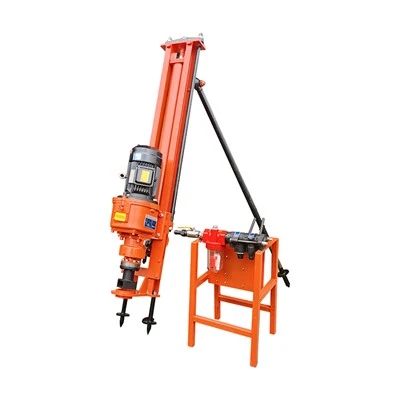
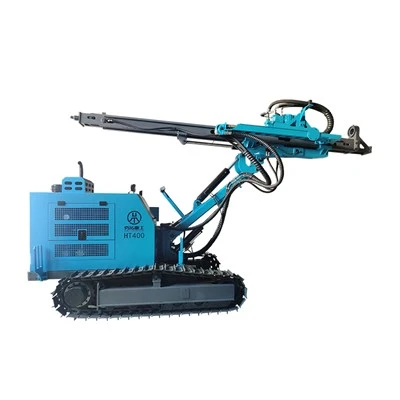
If you're interested in learning more about our Hand Held Rock Drill or other drilling equipment, including small down the hole drilling, please don't hesitate to contact us. We're committed to providing our customers with high-quality, environmentally friendly products and services that meet their needs and exceed their expectations.
References
- American Conference of Governmental Industrial Hygienists (ACGIH). (2023). Threshold Limit Values for Chemical Substances and Physical Agents and Biological Exposure Indices.
- Environmental Protection Agency (EPA). (2023). National Ambient Air Quality Standards (NAAQS).
- International Labour Organization (ILO). (2023). Occupational Safety and Health Convention, 1981 (No. 155).
- World Health Organization (WHO). (2023). Guidelines for Indoor Air Quality: Selected Pollutants.