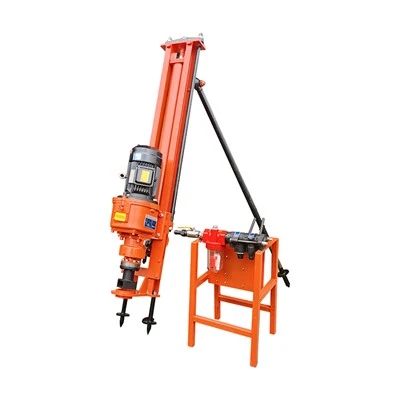
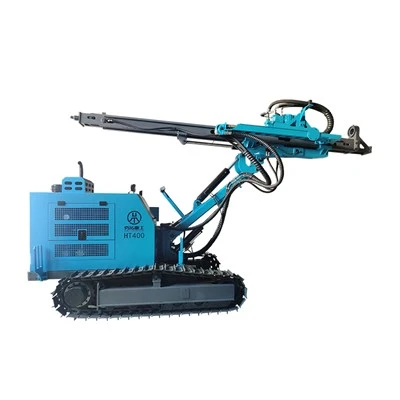
As a supplier of screw air compressors, I've had the privilege of working closely with these remarkable machines. They are widely used in various industries due to their high efficiency, reliability, and continuous operation capabilities. However, like any piece of equipment, screw air compressors come with their own set of disadvantages. Understanding these drawbacks is crucial for both potential buyers and existing users to make informed decisions and manage their operations effectively.
High Initial Investment
One of the most significant disadvantages of screw air compressors is the high initial investment required. Compared to other types of air compressors, such as reciprocating compressors, screw air compressors are generally more expensive. This is due to their complex design, advanced technology, and high - quality components. The cost of purchasing a rotary screw air compressor can be a substantial barrier for small and medium - sized enterprises (SMEs) or businesses with limited budgets.
The high cost is not only associated with the compressor unit itself but also includes additional expenses such as installation, commissioning, and the purchase of auxiliary equipment like air dryers, filters, and storage tanks. Moreover, the cost of spare parts for screw air compressors can also be relatively high, which further adds to the overall investment.
Energy Consumption
Screw air compressors are known for their high - power consumption. These machines typically operate at a constant speed, and even when the air demand is low, they continue to consume a significant amount of energy. This is because the compressor motor runs continuously to maintain the required pressure in the system. As a result, businesses using screw air compressors may face high electricity bills, especially if they operate the compressors for long periods.
In addition, the efficiency of screw air compressors can decrease over time due to factors such as wear and tear of components, improper maintenance, and changes in operating conditions. A decrease in efficiency means that the compressor needs to consume more energy to produce the same amount of compressed air, leading to increased energy costs.
Noise and Vibration
Another drawback of screw air compressors is the noise and vibration they generate during operation. The rotating screws and other moving parts in the compressor create significant noise levels, which can be a nuisance in the workplace. High - noise levels can not only cause discomfort to employees but also pose a risk to their hearing health if proper hearing protection is not provided.
Vibration is also a common issue with screw air compressors. The vibration can be transmitted to the surrounding equipment and structures, potentially causing damage over time. It can also affect the accuracy and performance of other sensitive equipment in the vicinity. To mitigate the noise and vibration, additional measures such as installing sound - proof enclosures and vibration - isolation mounts are often required, which add to the overall cost of the compressor system.
Maintenance Requirements
Screw air compressors require regular and proper maintenance to ensure their optimal performance and longevity. The complex design of these compressors means that there are many components that need to be inspected, cleaned, and replaced at regular intervals. For example, the air and oil filters need to be changed periodically to prevent the entry of contaminants into the compressor system. The lubricating oil also needs to be replaced at specific intervals to maintain the proper functioning of the screws and other moving parts.
Failure to perform regular maintenance can lead to a variety of problems, including reduced efficiency, increased energy consumption, and premature wear and tear of components. In some cases, neglecting maintenance can even result in compressor breakdowns, which can cause significant downtime and financial losses for businesses. The cost of maintenance, including labor and spare parts, can also be substantial over the life of the compressor.
Limited Flexibility
Screw air compressors are designed to operate within a specific range of pressures and flow rates. Once the compressor is installed and configured, it may be difficult to adjust the output to meet changing air demands. For example, if a business experiences a sudden increase or decrease in air consumption, the screw air compressor may not be able to respond quickly or efficiently.
This lack of flexibility can be a problem for businesses with fluctuating air demands. In such cases, additional compressors or other types of air supply systems may need to be installed to meet the varying requirements, which increases the complexity and cost of the overall air supply system.
Sensitivity to Contaminants
Screw air compressors are sensitive to contaminants in the intake air. Dust, dirt, moisture, and other particles can enter the compressor system and cause damage to the screws, bearings, and other components. Contaminants can also lead to the formation of sludge and deposits in the lubricating oil, which can reduce the efficiency of the compressor and cause premature wear.
To protect the compressor from contaminants, high - quality air filters and dryers are required. These filters need to be replaced regularly to ensure their effectiveness. However, even with proper filtration, some contaminants may still enter the system, especially in environments with high levels of dust or humidity.
Oil Carry - Over
In oil - flooded screw air compressors, oil carry - over is a common problem. During the compression process, a small amount of lubricating oil can be carried over into the compressed air stream. This oil can contaminate the end - use equipment, products, or processes, especially in applications where clean air is required, such as food and beverage production, electronics manufacturing, and pharmaceutical industries.
To reduce oil carry - over, additional oil separation and filtration systems are needed. These systems add to the complexity and cost of the compressor system. Moreover, the effectiveness of oil separation can decrease over time, requiring regular maintenance and replacement of components.
Environmental Impact
The high energy consumption of screw air compressors has a significant environmental impact. The electricity used to power these compressors is often generated from non - renewable sources such as coal and natural gas, which contribute to greenhouse gas emissions and climate change. In addition, the disposal of used lubricating oil and other waste materials from the compressor system can also pose environmental challenges if not managed properly.
Conclusion
Despite these disadvantages, screw air compressors remain a popular choice for many industries due to their high - performance capabilities. For businesses considering purchasing a screw air compressor, it is essential to weigh the advantages against the disadvantages and consider factors such as budget, energy requirements, noise tolerance, and maintenance capabilities.
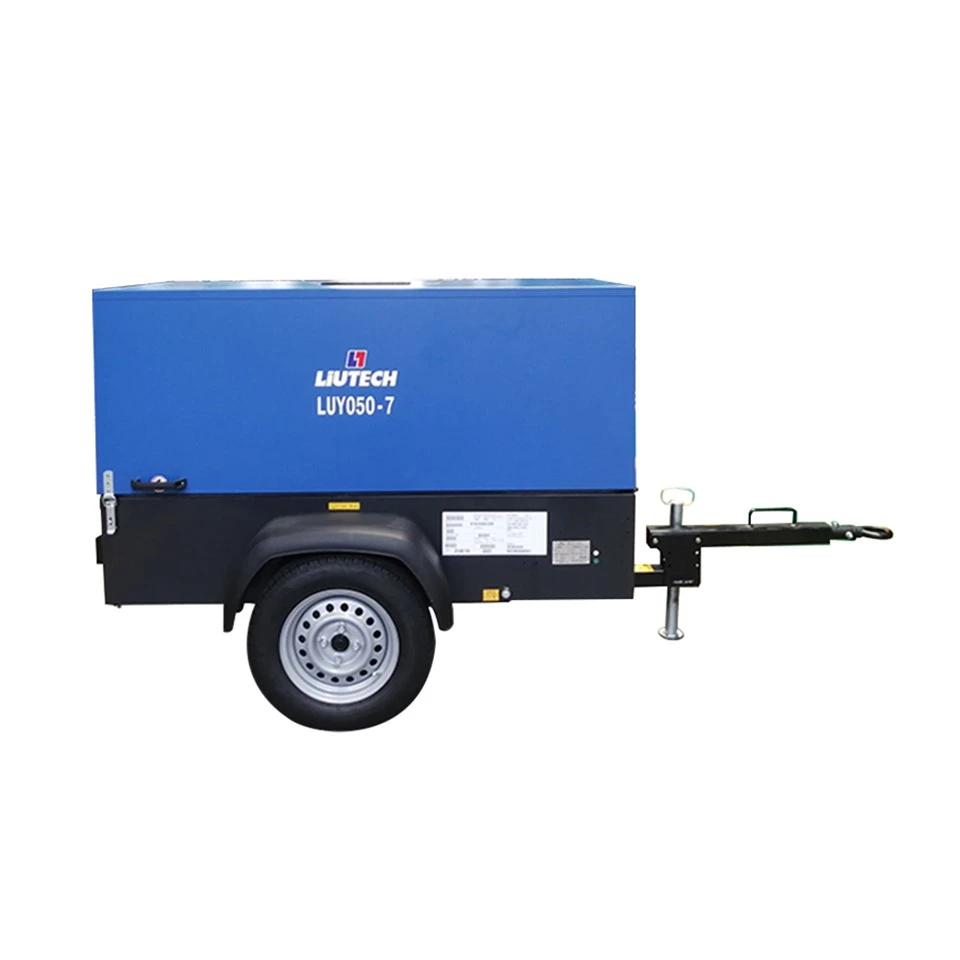
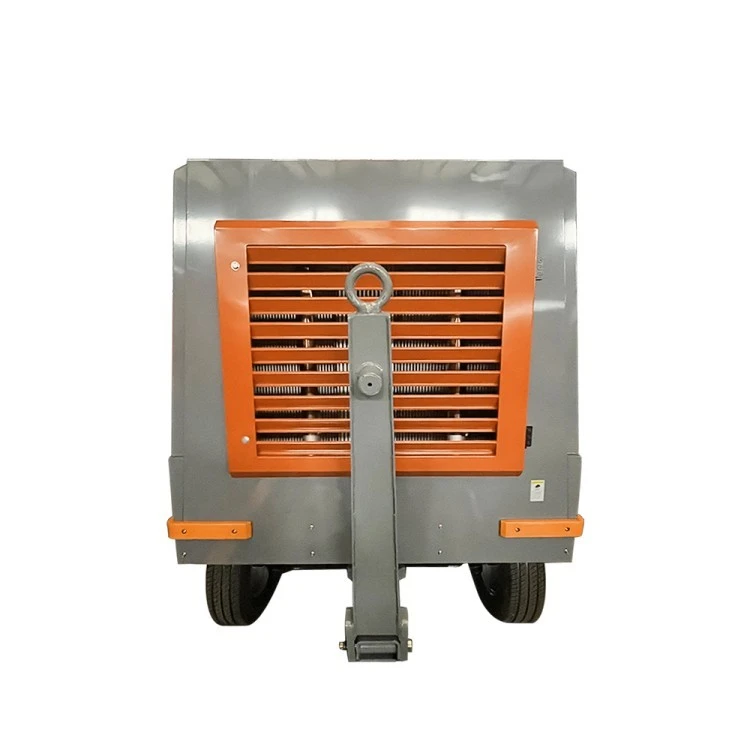
At our company, we understand the concerns associated with these drawbacks and are committed to providing solutions to minimize their impact. We offer a wide range of 7 Bar screw Air Compressor and Diesel Engine Portable One - stage Screw Air Compressor models that are designed to be energy - efficient, low - noise, and easy to maintain.
If you are interested in learning more about our screw air compressors or have any questions regarding their operation and maintenance, we encourage you to contact us for a detailed discussion. Our team of experts is ready to assist you in selecting the right compressor for your specific needs and providing comprehensive after - sales support.
References
- Compressed Air and Gas Handbook, Fourth Edition, by Compressed Air and Gas Institute.
- Industrial Compressed Air Systems: Selection, Installation, and Maintenance, by Peter Jackson.
- Screw Compressor Technology, by Klaus Brun and Eckhard Strauß.