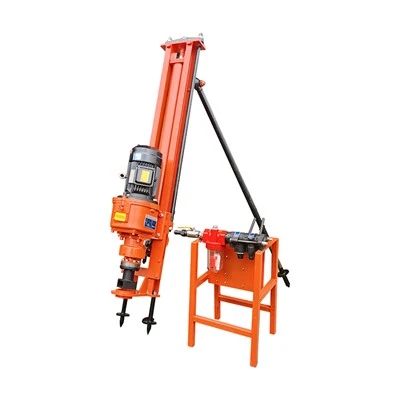
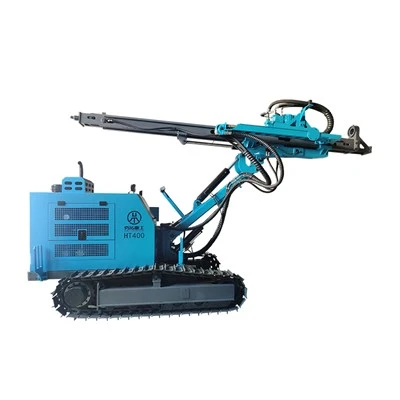
As a seasoned supplier of air rock drills, I've witnessed firsthand the pivotal role these tools play in various industries, from mining and construction to quarrying. Air rock drills, powered by compressed air, are renowned for their reliability, efficiency, and versatility. However, like any mechanical equipment, they are not immune to problems. In this blog, I'll delve into the common problems of air rock drills, their causes, and potential solutions, drawing on my extensive experience in the field.
1. Reduced Drilling Performance
One of the most prevalent issues with air rock drills is a decline in drilling performance. This can manifest as slower drilling speed, difficulty in penetrating the rock, or inconsistent drilling depth. Several factors can contribute to this problem:
-
Air Supply Issues: Inadequate air supply is a common culprit. If the compressor fails to deliver sufficient air pressure or volume, the drill may not operate at its optimal level. For instance, a compressor with a low cubic feet per minute (CFM) rating may struggle to power the drill effectively, especially in demanding applications. Additionally, air leaks in the hoses, fittings, or the drill itself can lead to a loss of pressure, reducing the drill's performance.
-
Worn Drill Bits: Over time, drill bits can become dull or damaged due to wear and tear. A dull bit will require more force to penetrate the rock, slowing down the drilling process. Moreover, a damaged bit may not cut evenly, resulting in an irregular hole and further reducing efficiency. It's essential to regularly inspect and replace drill bits to maintain optimal drilling performance.
-
Incorrect Drill Settings: Using the wrong drill settings, such as improper rotation speed or feed pressure, can also affect drilling performance. Different types of rock require different drilling parameters. For example, hard rock may require a higher rotation speed and feed pressure, while soft rock may need a lower setting to prevent the bit from getting stuck.
To address these issues, ensure that the air supply is adequate and free of leaks. Regularly check the air compressor to ensure it's operating at the recommended pressure and volume. Inspect and replace worn drill bits promptly, and make sure to adjust the drill settings according to the type of rock being drilled.
2. Excessive Vibration
Excessive vibration is another common problem with air rock drills. It can not only cause discomfort to the operator but also lead to premature wear and tear of the drill components. Here are some possible causes:
-
Imbalanced Drill Bits: An imbalanced drill bit can cause the drill to vibrate excessively. This can happen if the bit is not properly installed or if it has been damaged. An imbalanced bit will create uneven forces during rotation, leading to vibrations that can be felt throughout the drill.
-
Loose Components: Loose bolts, nuts, or other components can also contribute to excessive vibration. Over time, the constant pounding and movement of the drill can cause these components to loosen, resulting in increased vibrations.
-
Poor Drill Mounting: If the drill is not properly mounted or secured, it can vibrate during operation. A loose or unstable mount can allow the drill to move independently, causing unnecessary vibrations.
To reduce excessive vibration, check the drill bit for balance and ensure it's properly installed. Tighten any loose components regularly, and make sure the drill is securely mounted. If the problem persists, it may be necessary to consult a professional for further inspection and repair.
3. Air Leaks
Air leaks are a common and frustrating problem with air rock drills. They can not only waste energy but also reduce the drill's performance. Air leaks can occur in several places:
-
Hoses and Fittings: The hoses and fittings that connect the drill to the air supply are prone to leaks. Over time, the hoses can become cracked or damaged, and the fittings may loosen. This can result in a loss of air pressure, reducing the drill's power and efficiency.
-
Seals and Gaskets: The seals and gaskets inside the drill are designed to prevent air from leaking out. However, these seals can wear out or become damaged over time, leading to air leaks.


-
Valves: The valves in the drill control the flow of air. If these valves are not functioning properly, they can leak air. For example, a worn valve seat may allow air to escape, reducing the drill's performance.
To detect air leaks, listen for hissing sounds or use a soapy water solution to check for bubbles. Once a leak is detected, replace the damaged hoses, fittings, seals, or valves. Regularly inspect the hoses and fittings for signs of wear and tear, and replace them as needed.
4. Overheating
Overheating is a serious problem that can damage the air rock drill and reduce its lifespan. Several factors can cause the drill to overheat:
-
Excessive Use: Continuous use of the drill without proper cooling can cause it to overheat. Drilling in hard rock or at high speeds for extended periods can generate a significant amount of heat, which the drill may not be able to dissipate effectively.
-
Lack of Lubrication: Proper lubrication is essential for the smooth operation of the drill. Without adequate lubrication, the friction between the moving parts can generate heat, leading to overheating.
-
Clogged Air Filters: Air filters are designed to prevent dust and debris from entering the drill. If the filters become clogged, the air flow to the drill may be restricted, causing it to overheat.
To prevent overheating, allow the drill to cool down periodically during extended use. Ensure that the drill is properly lubricated according to the manufacturer's recommendations, and regularly clean or replace the air filters to maintain proper air flow.
5. Noise and Dust Pollution
Air rock drills can generate significant noise and dust during operation, which can be a health hazard for the operators and a nuisance to the surrounding environment.
-
Noise Pollution: The high-speed operation of the drill and the impact of the bit on the rock can produce loud noise levels. Prolonged exposure to high noise levels can cause hearing loss and other health problems.
-
Dust Pollution: Drilling through rock produces large amounts of dust, which can contain harmful substances such as silica. Inhaling dust can cause respiratory problems, including silicosis, a serious lung disease.
To mitigate noise and dust pollution, provide operators with appropriate personal protective equipment (PPE), such as noise-canceling headphones and dust masks. Consider using noise-reducing enclosures or mufflers to reduce the noise level, and implement dust suppression measures, such as wet drilling or using dust collectors.
Our Product Solutions
As a supplier of air rock drills, we offer a wide range of high-quality products to meet the diverse needs of our customers. Our mini pneumatic drill is compact and lightweight, making it ideal for small-scale drilling applications. It is easy to operate and maintain, and it offers excellent performance in a variety of rock types.
Our Integrated Open-pit Down-the-hole Drill Rig is designed for large-scale open-pit mining and quarrying operations. It features advanced technology and high efficiency, and it can drill deep holes with precision.
We also offer the pneumatic air leg rock drill, which is a popular choice for underground mining and tunneling. It is powered by compressed air and features an air leg for easy positioning and operation.
Contact Us for Procurement
If you're experiencing any of the problems mentioned above with your air rock drills, or if you're looking for high-quality air rock drill products, we're here to help. Our team of experts can provide you with professional advice and solutions to meet your specific needs. Contact us today to start a procurement discussion and take your drilling operations to the next level.
References
- Manufacturer's manuals for air rock drills
- Industry standards and best practices for air rock drill operation and maintenance
- Research articles on drilling technology and equipment