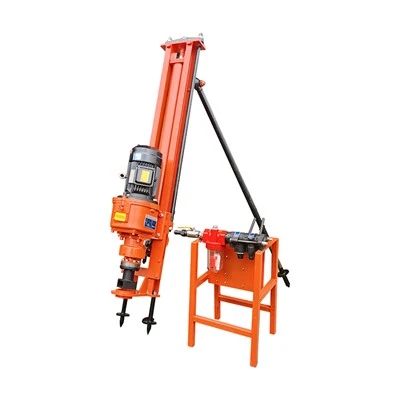
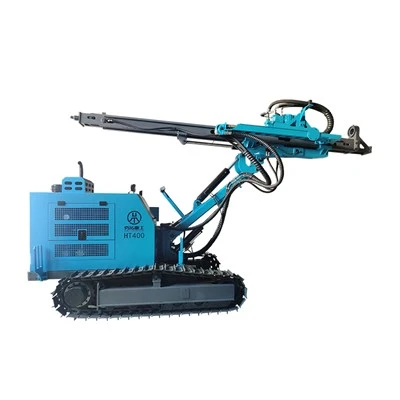
As a seasoned provider of drilling accessories, I've witnessed firsthand the pivotal role these tools play in the success of drilling operations. Whether you're in the water well drilling industry, mining, or any other field that requires drilling, using the right accessories and implementing best practices can significantly enhance efficiency, safety, and overall performance. In this blog post, I'll share some of the best practices for using drilling accessories based on my years of experience in the industry.
1. Selecting the Right Drilling Accessories
The first step in using drilling accessories effectively is to choose the right ones for your specific application. There are a wide variety of drilling accessories available on the market, each designed for different types of drilling conditions and purposes. For example, if you're drilling for water, you'll need a different set of accessories than if you're drilling for minerals.
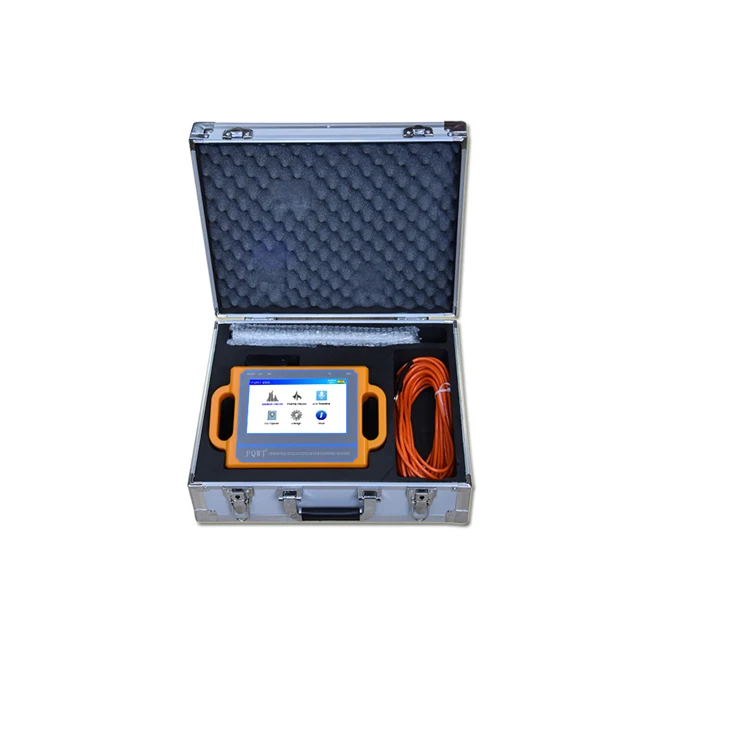
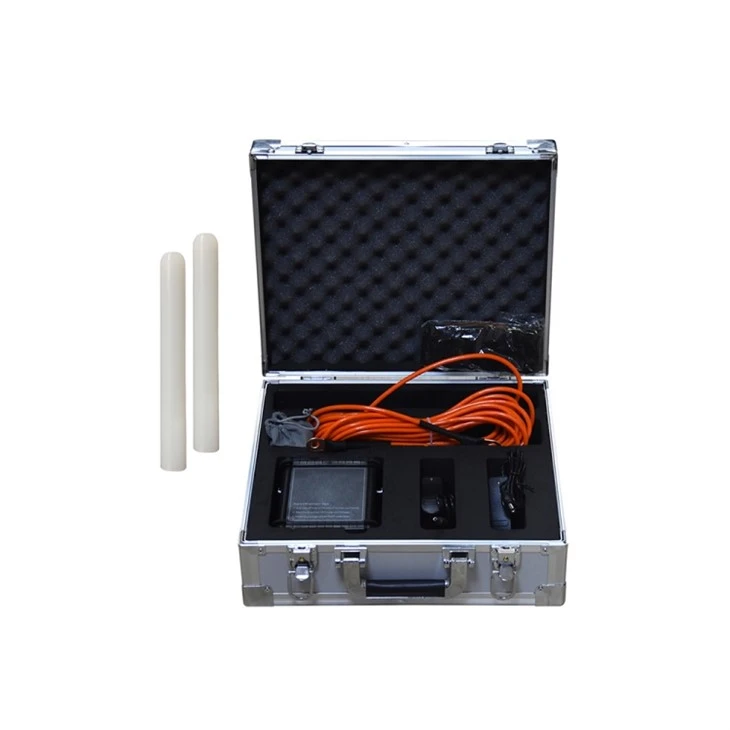
- Underground Water Detectors: These are essential for water well drilling operations. They help you locate underground water sources accurately, saving you time and money. Our Single-channel Real-time Imaging Underground Water Detector and Deep Underground Water Detector 300m are two of the most advanced water detectors on the market, offering high accuracy and real-time imaging capabilities.
- Drill Bits: The type of drill bit you choose depends on the type of rock or soil you're drilling through. For example, diamond drill bits are ideal for hard rock drilling, while carbide-tipped drill bits are better suited for softer materials. Make sure to select drill bits that are compatible with your drilling equipment and the specific conditions of your project.
- Drill Rods: Drill rods are used to transmit power from the drilling rig to the drill bit. They come in different lengths, diameters, and materials, so it's important to choose the right ones for your application. Consider factors such as the depth of the hole, the type of drilling method, and the weight of the drill bit when selecting drill rods.
2. Proper Installation and Maintenance
Once you've selected the right drilling accessories, it's crucial to install and maintain them properly. Improper installation or maintenance can lead to equipment failure, safety hazards, and decreased efficiency.
- Installation: Follow the manufacturer's instructions carefully when installing drilling accessories. Make sure all components are properly aligned, tightened, and secured. Check for any signs of damage or wear before installation, and replace any faulty parts immediately.
- Maintenance: Regular maintenance is essential for keeping your drilling accessories in good working condition. This includes cleaning, lubricating, and inspecting the equipment on a regular basis. Follow the manufacturer's recommended maintenance schedule, and keep detailed records of all maintenance activities.
- Calibration: Some drilling accessories, such as water detectors, need to be calibrated regularly to ensure accurate readings. Make sure to calibrate your equipment according to the manufacturer's instructions, and keep a record of all calibration dates and results.
3. Safety Precautions
Safety should always be your top priority when using drilling accessories. Drilling operations can be dangerous, and it's important to take all necessary precautions to protect yourself and your crew.
- Personal Protective Equipment (PPE): Wear appropriate PPE, such as hard hats, safety glasses, ear protection, and steel-toed boots, at all times when working with drilling equipment. Make sure your PPE is in good condition and fits properly.
- Training: Ensure that all personnel involved in drilling operations are properly trained and qualified. Provide regular training on safety procedures, equipment operation, and emergency response.
- Inspections: Conduct regular inspections of your drilling equipment and accessories to identify any potential safety hazards. Check for loose or damaged parts, leaks, and other signs of wear or damage. Address any issues immediately to prevent accidents.
- Emergency Preparedness: Have an emergency response plan in place in case of an accident or equipment failure. Make sure all personnel are familiar with the plan and know what to do in case of an emergency.
4. Operating Techniques
Using the right operating techniques can also improve the efficiency and effectiveness of your drilling operations.
- Drilling Speed: Adjust the drilling speed according to the type of rock or soil you're drilling through. Drilling too fast can cause the drill bit to overheat and wear out quickly, while drilling too slowly can decrease efficiency.
- Pressure and Weight: Apply the right amount of pressure and weight to the drill bit to ensure proper penetration. Too much pressure can cause the drill bit to break or damage the equipment, while too little pressure can result in poor drilling performance.
- Fluid Management: Proper fluid management is essential for keeping the drill bit cool and removing cuttings from the hole. Use the right type and amount of drilling fluid, and make sure it is circulated properly throughout the drilling process.
5. Troubleshooting and Problem Solving
Despite your best efforts, you may encounter problems or issues with your drilling accessories from time to time. Knowing how to troubleshoot and solve these problems quickly can minimize downtime and keep your operations running smoothly.
- Diagnostic Tools: Use diagnostic tools, such as pressure gauges, temperature sensors, and flow meters, to identify the source of the problem. These tools can help you pinpoint the issue and determine the best course of action.
- Technical Support: If you're unable to solve the problem on your own, don't hesitate to contact the manufacturer's technical support team. They can provide you with expert advice and assistance to help you resolve the issue quickly.
- Spare Parts: Keep a stock of spare parts on hand to minimize downtime in case of equipment failure. Make sure you have the right parts for your specific equipment and accessories, and keep them organized and easily accessible.
In conclusion, using drilling accessories effectively requires careful selection, proper installation and maintenance, safety precautions, and the use of the right operating techniques. By following these best practices, you can improve the efficiency, safety, and overall performance of your drilling operations.
If you're interested in learning more about our drilling accessories or have any questions about using them, please don't hesitate to contact us. We'd be happy to discuss your specific needs and provide you with the best solutions for your drilling projects.
References
- Manufacturer's manuals and instructions for drilling accessories
- Industry standards and best practices for drilling operations
- Safety regulations and guidelines for drilling equipment