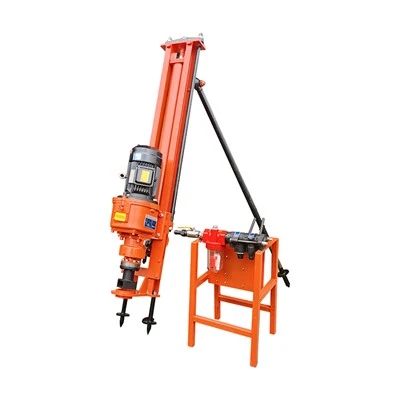
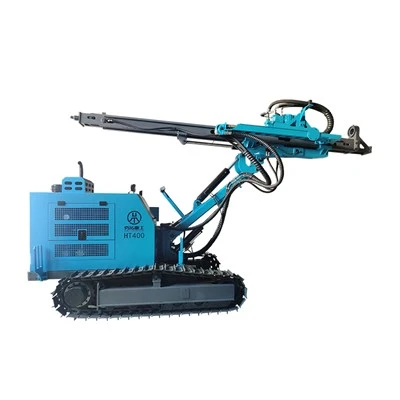
As a trusted rock drilling equipment supplier, I understand the crucial role that preventing corrosion plays in ensuring the longevity and efficiency of our products. Corrosion can significantly impact the performance of rock drilling equipment, leading to increased maintenance costs, reduced lifespan, and potential safety hazards. In this blog post, I will share some effective strategies and best practices on how to prevent corrosion of rock drilling equipment.
Understanding the Causes of Corrosion
Before delving into prevention methods, it's essential to understand the factors that contribute to corrosion in rock drilling equipment. Corrosion is a natural process that occurs when metals react with their environment, typically oxygen and moisture. In the context of rock drilling, several factors can accelerate this process:
- Exposure to Moisture: Drilling operations often take place in wet or humid environments, such as underground mines or construction sites near water sources. Moisture can cause oxidation on the metal surfaces of the equipment, leading to rust and corrosion.
- Contact with Chemicals: Rock drilling equipment may come into contact with various chemicals, including drilling fluids, acids, and salts. These chemicals can react with the metal components, causing corrosion and degradation.
- Abrasion and Wear: The constant friction and impact during drilling operations can cause abrasion and wear on the equipment's surfaces. This can expose the underlying metal to the environment, making it more susceptible to corrosion.
- Poor Maintenance: Neglecting regular maintenance and cleaning can allow dirt, debris, and moisture to accumulate on the equipment, creating an ideal environment for corrosion to occur.
Preventive Measures
To prevent corrosion of rock drilling equipment, it's important to implement a comprehensive maintenance and protection plan. Here are some effective strategies that can help extend the lifespan of your equipment:
1. Choose the Right Materials
When selecting rock drilling equipment, opt for materials that are resistant to corrosion. Stainless steel, for example, is a popular choice due to its high resistance to rust and oxidation. Additionally, consider using coatings and finishes that provide an extra layer of protection against corrosion.
2. Keep the Equipment Clean
Regular cleaning is essential to remove dirt, debris, and chemicals from the equipment's surfaces. Use a mild detergent and water to clean the equipment, and avoid using abrasive cleaners that can damage the protective coatings. After cleaning, dry the equipment thoroughly to prevent moisture from accumulating.
3. Apply Protective Coatings
Applying a protective coating to the equipment's surfaces can help prevent corrosion by creating a barrier between the metal and the environment. There are several types of coatings available, including paint, epoxy, and zinc-rich coatings. Choose a coating that is suitable for the specific operating conditions of your equipment.
4. Use Corrosion Inhibitors
Corrosion inhibitors are chemicals that can be added to drilling fluids or other lubricants to prevent corrosion. These inhibitors work by forming a protective film on the metal surfaces, preventing oxygen and moisture from coming into contact with the metal. Consult with a chemical supplier to determine the most appropriate corrosion inhibitor for your equipment.


5. Store the Equipment Properly
When the equipment is not in use, store it in a dry, protected environment. Avoid storing the equipment outdoors or in areas where it is exposed to moisture, chemicals, or extreme temperatures. If possible, store the equipment on a raised platform or in a storage container to prevent it from coming into contact with the ground.
6. Conduct Regular Inspections
Regular inspections are essential to detect early signs of corrosion and take appropriate action. Inspect the equipment for any signs of rust, pitting, or discoloration, and check the protective coatings for any damage or wear. If corrosion is detected, clean the affected area and apply a new protective coating as soon as possible.
7. Train Your Operators
Proper training of your operators is crucial to ensure that they understand the importance of preventing corrosion and how to take appropriate measures. Train your operators on how to clean and maintain the equipment, how to apply protective coatings, and how to recognize early signs of corrosion. Encourage your operators to report any issues or concerns immediately.
Specific Equipment Considerations
In addition to the general preventive measures outlined above, there are some specific considerations for different types of rock drilling equipment. Here are some tips for preventing corrosion in common types of rock drilling equipment:
Small Down the Hole Drilling
Small down the hole drilling equipment is typically used for shallow drilling applications. To prevent corrosion in small down the hole drilling equipment, it's important to keep the equipment clean and dry, and to apply a protective coating to the drill bits and other metal components. Additionally, use a corrosion inhibitor in the drilling fluid to prevent corrosion of the drill string.
Mini Pneumatic Drill
Mini pneumatic drills are lightweight and portable, making them ideal for small-scale drilling applications. To prevent corrosion in mini pneumatic drills, it's important to keep the air compressor and other components clean and dry, and to use a high-quality lubricant to prevent rust and corrosion. Additionally, inspect the drill bits and other metal components regularly for any signs of wear or damage.
Hand Held Rock Drill
Hand held rock drills are commonly used for light-duty drilling applications, such as construction and mining. To prevent corrosion in hand held rock drills, it's important to keep the drill clean and dry, and to apply a protective coating to the metal components. Additionally, use a corrosion inhibitor in the air supply to prevent corrosion of the internal components.
Conclusion
Preventing corrosion of rock drilling equipment is essential to ensure its longevity, efficiency, and safety. By understanding the causes of corrosion and implementing a comprehensive maintenance and protection plan, you can significantly extend the lifespan of your equipment and reduce maintenance costs. Remember to choose the right materials, keep the equipment clean, apply protective coatings, use corrosion inhibitors, store the equipment properly, conduct regular inspections, and train your operators. If you have any questions or need further assistance, please don't hesitate to contact us. We are here to help you keep your rock drilling equipment in top condition.
References
- ASM International. (2003). Corrosion Basics: An Introduction. ASM International.
- NACE International. (2016). Corrosion Prevention and Control in the Oil and Gas Industry. NACE International.
- Trethewey, K. R., & Chamberlain, J. C. (1995). Corrosion for Science and Engineering. Longman Scientific & Technical.