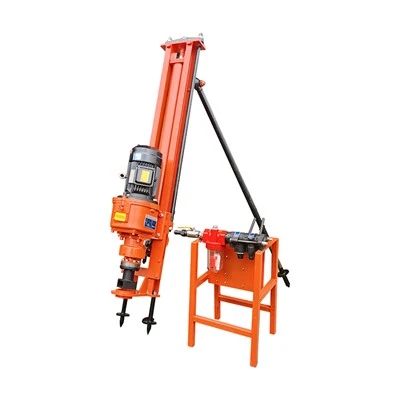
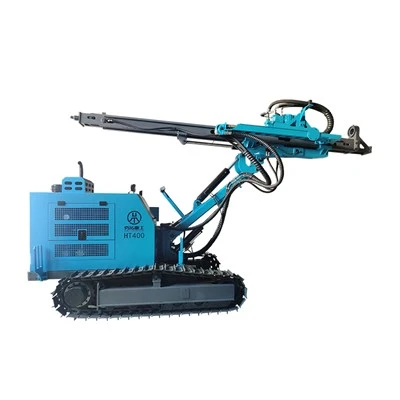
As a supplier of borewell machine tractors, I've witnessed the crucial importance of accurately measuring the depth of a borewell drilled by these powerful machines. In this blog, I'll share some effective methods and best practices to achieve reliable borewell depth measurements.
Understanding the Need for Accurate Depth Measurement
Before delving into the measurement methods, it's essential to understand why accurate depth measurement is so vital. In the field of water well drilling, the depth of a borewell directly impacts the quality and quantity of the water source. A too - shallow well may not reach the water - bearing strata, leading to insufficient water supply. On the other hand, an overly deep well can result in unnecessary costs, both in terms of drilling expenses and energy consumption for pumping water. Additionally, for geological surveys and ground investigations, accurate depth data helps in understanding the subsurface structure and the distribution of different rock layers.
Measuring Tools and Techniques
1. Measuring Tape
The simplest and most straightforward method for measuring borewell depth is using a measuring tape. This method is suitable for relatively shallow borewells. To use a measuring tape effectively, you need a heavy weight, such as a plumb bob, attached to one end of the tape. Lower the weighted end into the borewell slowly, taking care to keep the tape straight and vertical. Once the weight touches the bottom of the well, mark the tape at the edge of the well opening. The measurement on the tape indicates the approximate depth of the borewell.
However, this method has its limitations. As the borewell gets deeper, it becomes challenging to lower the tape precisely and keep it straight due to friction and the weight of the tape itself. Also, in cases where the borewell has irregular walls or debris at the bottom, the measurement may not be entirely accurate.
2. Electronic Depth Gauges
Electronic depth gauges offer a more advanced and accurate solution for measuring borewell depth. These gauges work on the principle of sending an electrical signal down the borewell. When the signal reaches the bottom of the well, it is reflected back, and the gauge calculates the depth based on the time taken for the signal to travel.
One of the advantages of electronic depth gauges is their high precision, especially in deep borewells. They can also provide real - time depth readings, which is useful for monitoring the drilling process. However, they are relatively expensive compared to measuring tapes, and they require proper calibration and maintenance to ensure accurate results.
3. Drilling Rig Data Logging
If you are using a modern water well drilling machine, many of these rigs are equipped with data logging systems. These systems record various parameters during the drilling process, including the depth of the borewell. The data is typically collected by sensors installed on the drilling rig, which monitor the movement of the drill pipe.
By referring to the data logged by the rig, you can obtain an accurate measurement of the borewell depth. This method is convenient as it does not require additional tools or equipment. However, it is essential to ensure that the data logging system is properly set up and calibrated to avoid inaccurate readings.
Factors Affecting Depth Measurement
There are several factors that can affect the accuracy of borewell depth measurement.
1. Well Wall Irregularities
In many cases, borewell walls may not be perfectly smooth. There could be protrusions, cavities, or sloughing of the well wall. These irregularities can cause the measuring tool to deviate from a straight path, leading to inaccurate depth measurements. For example, if a measuring tape gets caught on a protrusion, the measured depth will be less than the actual depth of the borewell.
2. Water Level in the Well
The presence of water in the borewell can also affect depth measurement. When using a measuring tape, the buoyancy of the tape in the water can make it difficult to keep the tape straight. In the case of electronic depth gauges, the water can interfere with the electrical signal, causing errors in the depth calculation.
3. Drill String Stretch
During the drilling process, the drill string can stretch under its own weight, especially in deep wells. If the depth measurement is based on the length of the drill string, the stretch of the drill string needs to be taken into account. Otherwise, the measured depth will be greater than the actual depth of the borewell.
Best Practices for Accurate Depth Measurement
To ensure accurate borewell depth measurement, the following best practices should be followed:
1. Pre - drilling Preparation
Before starting the drilling process, it is important to have a clear understanding of the geological conditions of the site. This can help in estimating the possible depth of the water - bearing strata and setting realistic drilling targets. Additionally, the drilling equipment should be properly inspected and calibrated to ensure accurate data collection.
2. Multiple Measurements
To increase the reliability of the depth measurement, it is recommended to take multiple measurements using different methods. For example, you can first use a measuring tape for a rough estimate and then confirm the depth using an electronic depth gauge or the data logged by the drilling rig. Comparing the results from different methods can help in identifying any errors or discrepancies.
3. Regular Maintenance and Calibration
If you are using electronic depth gauges or data logging systems, regular maintenance and calibration are essential. This ensures that the measuring tools are functioning correctly and providing accurate readings. Calibration should be done according to the manufacturer's recommendations, using certified reference standards.


Our Borewell Machine Tractors and Depth Measurement
Our company offers a range of high - quality borewell machine tractors that are designed to meet the diverse needs of water well drilling projects. Our truck mounted water well drilling rig and Truck - mounted Water Well Drilling Rig models are equipped with advanced data logging systems that can accurately record the depth of the borewell during the drilling process.
Our machines are engineered to provide reliable performance in various geological conditions, ensuring that the drilling process is efficient and accurate. With our borewell machine tractors, you can be confident in achieving the desired borewell depth, which is crucial for accessing a stable and sufficient water source.
Encouragement to Contact for Purchasing
If you are in the market for a borewell machine tractor and are looking for a reliable supplier, we are here to help. Our team of experts has extensive experience in the water well drilling industry and can provide you with professional advice and support. Whether you are a small - scale farmer in need of a water source for irrigation or a large - scale construction company working on a major infrastructure project, we have the right solution for you.
Contact us today to discuss your specific requirements and explore how our borewell machine tractors can meet your needs. We are committed to providing high - quality products and excellent customer service, and we look forward to partnering with you on your next drilling project.
References
- Smith, J. (2018). Handbook of Water Well Drilling. Water Resources Press.
- Johnson, R. (2019). Advanced Drilling Techniques for Borewells. Drilling Industry Journal.