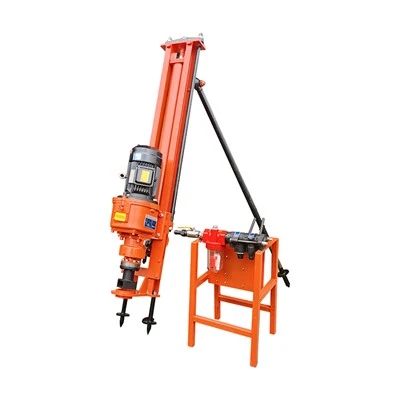
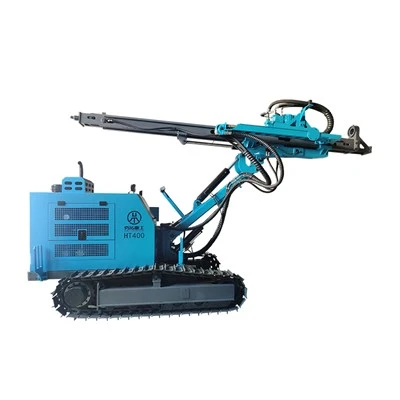
As a supplier of pneumatic rock drilling rigs, I've seen firsthand the significance of energy efficiency in the industry. Not only does it reduce operational costs, but it also contributes to environmental sustainability. In this blog, I'll share some practical strategies to enhance the energy efficiency of a pneumatic rock drilling rig.
Understanding the Basics of Pneumatic Rock Drilling Rigs
Before delving into energy - efficiency improvements, it's crucial to understand how pneumatic rock drilling rigs work. These rigs use compressed air to power the drilling mechanism. The compressed air is typically supplied by an air compressor, which converts mechanical energy into potential energy stored in the compressed air. When the compressed air is released, it drives the drill bit into the rock.
There are various types of pneumatic rock drilling rigs, such as the Integrated Open - pit Down - the - hole Drill Rig, pneumatic air leg rock drill, and Hand Held Rock Drill. Each type has its own unique features and energy requirements, but the general principles of energy efficiency apply across the board.
Optimizing the Air Compressor
The air compressor is the heart of a pneumatic rock drilling system. Any inefficiencies in the compressor can lead to significant energy losses. Here are some ways to optimize the air compressor:
Proper Sizing
One of the most common mistakes is using an oversized or undersized air compressor. An oversized compressor will consume more energy than necessary, while an undersized one may not be able to provide enough air pressure for efficient drilling. It's essential to accurately calculate the air requirements of the drilling rig based on factors such as the drill bit size, drilling depth, and the type of rock being drilled. Consult the manufacturer's specifications or work with an experienced engineer to determine the appropriate compressor size.
Regular Maintenance
Regular maintenance of the air compressor is crucial for its efficient operation. This includes tasks such as changing the air filters, checking the oil levels (for oil - lubricated compressors), and inspecting the belts and hoses for leaks. A dirty air filter can restrict the airflow, forcing the compressor to work harder and consume more energy. Similarly, a leaky hose or belt can result in air loss, reducing the overall efficiency of the system.
Variable Speed Drives
Installing a variable speed drive (VSD) on the air compressor can significantly improve its energy efficiency. A VSD allows the compressor to adjust its speed according to the actual air demand. When the drilling rig requires less air, the compressor can slow down, reducing energy consumption. This is particularly beneficial in applications where the air demand fluctuates, such as intermittent drilling operations.
Improving the Drilling Process
The way the drilling rig is operated also has a significant impact on its energy efficiency. Here are some strategies to improve the drilling process:
Optimal Drill Bit Selection
Choosing the right drill bit for the specific rock type is essential. A drill bit that is not suitable for the rock can cause excessive wear and tear, increase the drilling time, and consume more energy. For example, a drill bit designed for soft rock may not be effective in hard rock formations, requiring more force and air pressure to penetrate the rock. Consult with drill bit manufacturers or industry experts to select the most appropriate drill bit for the job.
Drilling Parameters
Adjusting the drilling parameters, such as the rotation speed and feed rate, can also improve energy efficiency. The optimal drilling parameters depend on factors such as the rock type, drill bit size, and the depth of the hole. In general, a slower rotation speed and a higher feed rate can be more energy - efficient in hard rock, while a faster rotation speed and a lower feed rate may be better for soft rock. It's important to experiment with different parameters to find the optimal settings for each drilling operation.
Hole Design
Proper hole design can also contribute to energy efficiency. For example, drilling smaller - diameter holes can require less energy than larger - diameter holes. Additionally, using a pre - drilling technique, such as pilot holes, can reduce the resistance during the main drilling process, saving energy.
Reducing Air Leakage
Air leakage is a major source of energy loss in pneumatic systems. Even small leaks can add up over time, resulting in significant energy waste. Here are some steps to reduce air leakage:
Regular Inspections
Conduct regular inspections of the entire pneumatic system, including the hoses, fittings, valves, and the drilling rig itself. Look for signs of air leakage, such as hissing sounds or visible damage to the components. Use a leak detector, such as an ultrasonic leak detector, to identify hard - to - find leaks.
Tightening and Sealing
Once a leak is detected, it should be repaired immediately. This may involve tightening loose fittings, replacing damaged hoses or seals, or applying sealant to prevent further leakage. Make sure to use high - quality replacement parts to ensure a proper seal.
Pressure Regulation
Maintaining the correct air pressure in the system is also important for reducing air leakage. Over - pressurizing the system can increase the likelihood of leaks, while under - pressurizing can affect the performance of the drilling rig. Use a pressure regulator to ensure that the air pressure is within the recommended range.
Training the Operators
Well - trained operators can play a crucial role in improving the energy efficiency of a pneumatic rock drilling rig. Here's how:
Energy - Conscious Operation
Train the operators to be aware of the energy consumption of the drilling rig and to operate it in an energy - conscious manner. This includes starting and stopping the rig only when necessary, avoiding unnecessary idling, and adjusting the drilling parameters based on the actual conditions.
Troubleshooting Skills
Provide the operators with training on basic troubleshooting skills. This can help them quickly identify and resolve any issues that may affect the energy efficiency of the rig, such as air leaks or compressor problems. By addressing these issues promptly, the operators can prevent energy waste and ensure the smooth operation of the drilling rig.


Monitoring and Analysis
Monitoring the energy consumption of the pneumatic rock drilling rig is essential for identifying areas of improvement. Here are some ways to monitor and analyze the energy usage:
Energy Meters
Install energy meters on the air compressor and other key components of the system to measure the energy consumption. This data can be used to track the energy usage over time, identify trends, and compare the performance of different drilling operations.
Performance Analysis
Regularly analyze the performance data of the drilling rig, including the drilling time, hole depth, and energy consumption. Look for patterns or anomalies that may indicate inefficiencies in the system. For example, if the energy consumption per hole is increasing over time, it may be a sign of a problem with the drill bit or the compressor.
Conclusion
Improving the energy efficiency of a pneumatic rock drilling rig is a multi - faceted approach that involves optimizing the air compressor, improving the drilling process, reducing air leakage, training the operators, and monitoring the energy consumption. By implementing these strategies, you can not only reduce your operational costs but also contribute to a more sustainable future.
If you're interested in learning more about our pneumatic rock drilling rigs or need assistance in improving the energy efficiency of your existing equipment, we're here to help. Contact us to start a discussion about your specific needs and how we can provide you with the best solutions.
References
- Compressed Air and Gas Institute (CAGI). (2023). Best Practices for Compressed Air Systems.
- National Renewable Energy Laboratory (NREL). (2022). Energy Efficiency in Industrial Processes.
- Drilling Equipment Manufacturers Association (DEMA). (2023). Guidelines for Efficient Drilling Operations.