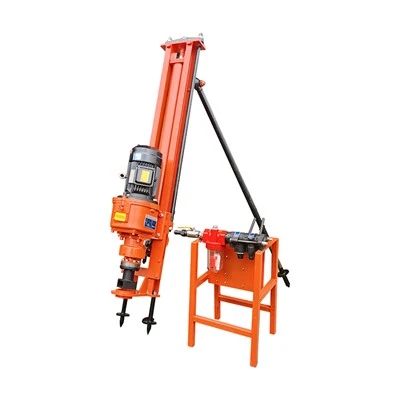
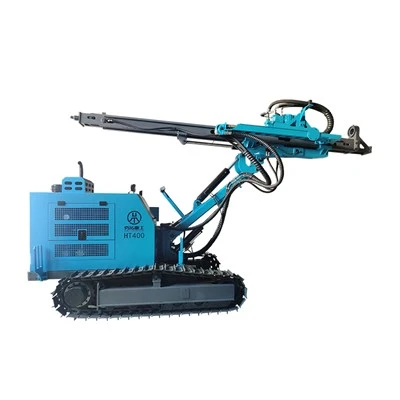
As a DTH (Down-The-Hole) hammer supplier, I've witnessed firsthand the growing demand for more energy - efficient drilling solutions. Energy efficiency not only reduces operational costs but also aligns with global efforts towards sustainable development. In this blog, I'll share some effective strategies on how to improve the energy efficiency of a DTH hammer.
1. Select the Right DTH Hammer
The first step in improving energy efficiency is choosing the appropriate DTH hammer for the specific drilling application. Different hammers are designed for different conditions, and using the wrong one can lead to excessive energy consumption.
Low Pressure Down - the - hole Hammer
For applications where the rock formation is relatively soft or where a lower air pressure is available, a Low Pressure Down - the - hole Hammer is a great choice. These hammers are engineered to operate efficiently at lower air pressures, which means less energy is required to power the compressor. They can achieve a good balance between penetration rate and energy consumption in suitable geological conditions.
High Air Pressure DTH Hammer
On the other hand, when dealing with hard rock formations, a high air pressure dth hammer is often necessary. These hammers are built to deliver high impact energy with high - pressure air, allowing for effective penetration in tough rocks. Although they require more energy to operate, they can significantly reduce the overall drilling time, which in some cases can offset the higher energy consumption.
Cluster DTH Drilling Hammer
In large - scale drilling projects, such as foundation piling or large - area excavation, a Cluster DTH Drilling Hammer can be highly efficient. By combining multiple hammers, they can cover a larger area in a single pass, increasing the productivity per unit of energy consumed.
2. Optimize Compressor Performance
The compressor is a crucial component in a DTH hammer system, as it provides the air power needed for the hammer to operate. Ensuring the compressor is running at peak efficiency is essential for overall energy savings.
Regular Maintenance
Regular maintenance of the compressor is vital. This includes changing air filters, checking and replacing worn - out parts, and ensuring proper lubrication. A dirty air filter can restrict air flow, forcing the compressor to work harder and consume more energy. By keeping the compressor in good condition, it can operate more smoothly and efficiently.
Correct Sizing
It's important to select a compressor that is properly sized for the DTH hammer. An oversized compressor will waste energy by delivering more air than the hammer requires, while an undersized compressor may not provide enough air pressure, leading to poor hammer performance. Working with a professional to accurately determine the compressor size based on the hammer's requirements is key.
Variable - Speed Compressors
Consider using variable - speed compressors. These compressors can adjust their speed according to the actual air demand of the DTH hammer. During periods of low - intensity drilling, the compressor can slow down, reducing energy consumption. When the drilling conditions change and more air is needed, the compressor can increase its speed accordingly.
3. Improve Drilling Techniques
The way the DTH hammer is used during the drilling process can also have a significant impact on energy efficiency.
Optimal Penetration Rate
Maintaining an optimal penetration rate is crucial. Drilling too fast can cause the hammer to bounce or lose its effectiveness, resulting in wasted energy. On the other hand, drilling too slowly can also be inefficient, as the compressor is running continuously without achieving significant progress. Operators should monitor the penetration rate and adjust the drilling parameters, such as the feed pressure and rotation speed, to find the sweet spot for maximum energy efficiency.
Bit Selection
Choosing the right drill bit is essential. A dull or inappropriate drill bit can increase the resistance during drilling, forcing the DTH hammer to work harder and consume more energy. Select a drill bit that is suitable for the rock type and the specific drilling application. Regularly inspect and replace the drill bit when it shows signs of wear.
Pre - Drilling Preparation
Proper pre - drilling preparation can save energy. This includes accurately marking the drilling locations, ensuring the drilling rig is level and stable, and clearing any obstacles in the drilling path. A well - prepared drilling site allows the DTH hammer to operate more efficiently, reducing the need for unnecessary energy expenditure.
4. Monitor and Control the System
Continuous monitoring and control of the DTH hammer system can help identify and address energy - inefficiency issues in a timely manner.
Install Monitoring Devices
Install monitoring devices on the DTH hammer and the compressor. These devices can measure parameters such as air pressure, air flow, and energy consumption. By analyzing the data collected from these devices, operators can detect any abnormal energy usage patterns and take corrective actions.
Remote Monitoring and Control
Remote monitoring and control systems can be very beneficial. They allow operators to monitor the DTH hammer system from a distance and make adjustments as needed. For example, if the energy consumption of the compressor suddenly increases, the operator can remotely check the system for problems and make necessary changes to optimize performance.
5. Training and Education
Providing proper training and education to the drilling operators is essential for improving energy efficiency.
Operator Training
Train operators on the correct operation of the DTH hammer and the associated equipment. They should understand how to adjust the drilling parameters, recognize signs of inefficiency, and perform basic maintenance tasks. Well - trained operators are more likely to operate the equipment in an energy - efficient manner.
Industry Knowledge
Keep operators updated with the latest industry knowledge and best practices. New technologies and techniques for energy - efficient drilling are constantly emerging. By providing ongoing education, operators can apply these new ideas to their work, further improving the energy efficiency of the DTH hammer system.
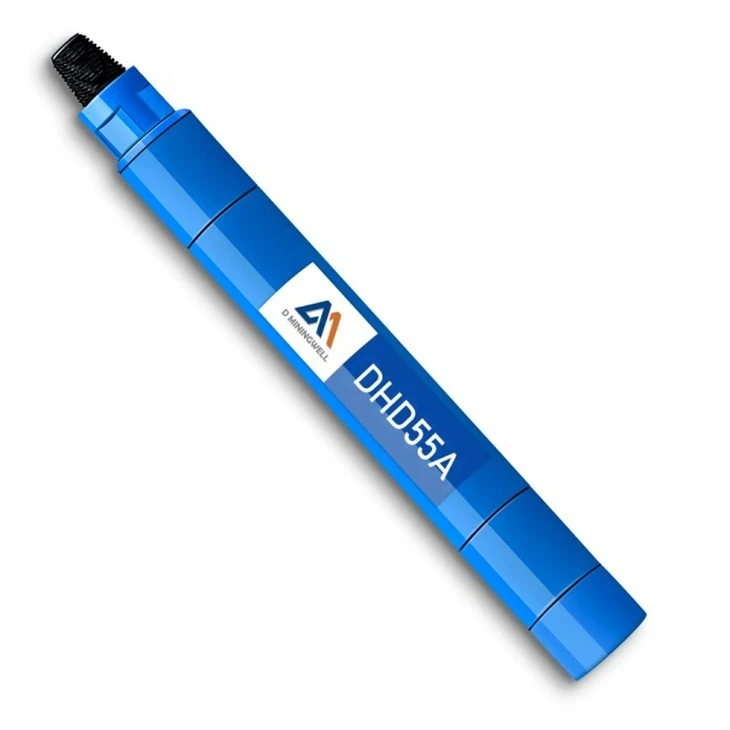
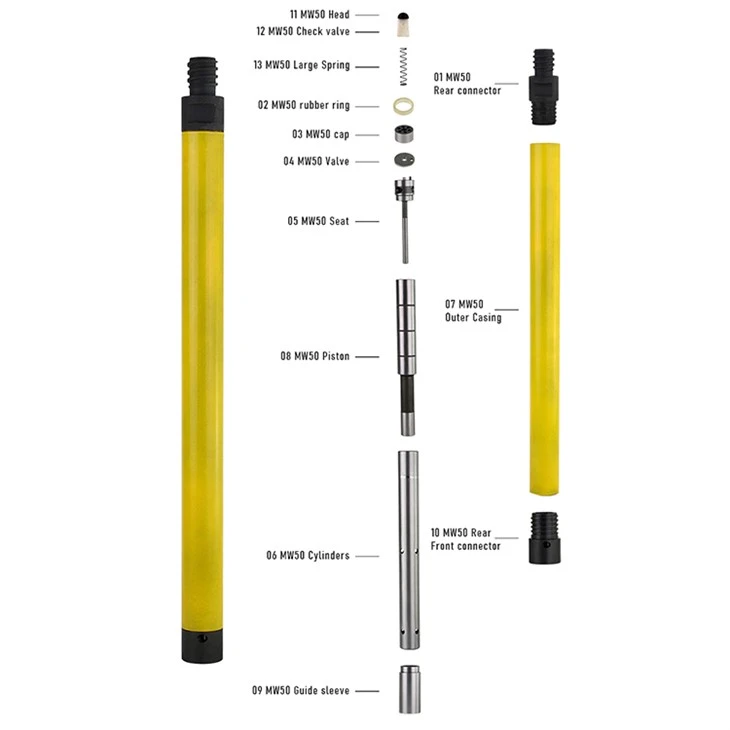
In conclusion, improving the energy efficiency of a DTH hammer requires a comprehensive approach that includes selecting the right equipment, optimizing compressor performance, improving drilling techniques, monitoring and controlling the system, and providing proper training. As a DTH hammer supplier, I'm committed to helping our customers achieve these goals. If you're interested in learning more about our DTH hammers and how they can be used to improve energy efficiency, or if you're considering a purchase, I encourage you to contact us for a detailed discussion and a customized solution.
References
- "Drilling Equipment Handbook", published by an industry - leading publisher.
- Various technical papers from international drilling conferences on energy - efficient drilling technologies.