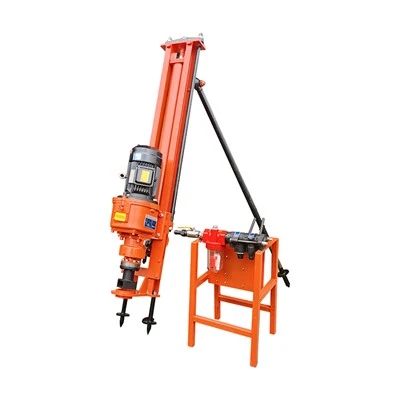
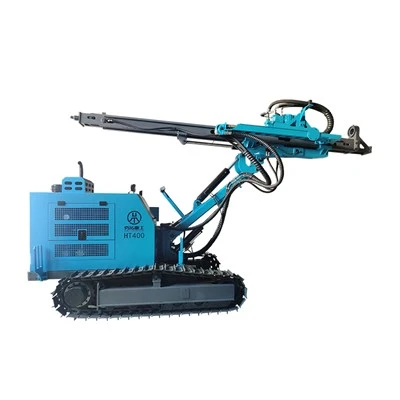
As a reliable supplier of air rock drills, I've witnessed firsthand the pivotal role that proper air supply connection plays in the performance and longevity of these powerful tools. In this blog, I'll guide you through the process of connecting the air supply to an air rock drill, ensuring you can operate your equipment safely and efficiently.
Understanding the Basics of Air Rock Drills
Before we dive into the connection process, it's essential to understand the basic components of an air rock drill. An air rock drill is a pneumatic tool that uses compressed air to power its drilling action. The key components include the drill body, air motor, chuck, and drill bit. The air motor is the heart of the drill, converting the energy from the compressed air into mechanical motion to drive the drill bit.
Selecting the Right Air Supply
The first step in connecting the air supply to an air rock drill is to select the appropriate air source. Compressed air is typically supplied by an air compressor, which can come in various sizes and capacities. When choosing an air compressor, consider the following factors:
- Air Pressure: Most air rock drills require an air pressure of between 90 and 120 psi (pounds per square inch). Make sure your air compressor can provide the required pressure consistently.
- Air Volume: The air volume, measured in cubic feet per minute (CFM), determines how much air the drill needs to operate effectively. Check the drill's specifications to determine the required CFM and select an air compressor that can deliver this volume.
- Portability: If you need to move the drill around frequently, consider a portable air compressor. These compressors are typically smaller and lighter, making them easier to transport.
Gathering the Necessary Tools and Materials
Once you've selected the right air compressor, you'll need to gather the necessary tools and materials for the connection process. Here's what you'll need:
- Air Hose: Choose an air hose that is the appropriate length and diameter for your drill. The hose should be made of a durable material, such as rubber or polyurethane, to withstand the high pressure of the compressed air.
- Fittings: You'll need fittings to connect the air hose to the air compressor and the drill. Make sure the fittings are compatible with the size and type of your air hose and the connections on the compressor and drill.
- Wrenches: You'll need a set of wrenches to tighten the fittings securely. Make sure the wrenches are the appropriate size for the fittings.
Connecting the Air Supply
Now that you have everything you need, it's time to connect the air supply to the air rock drill. Follow these steps:


- Turn off the Air Compressor: Before making any connections, make sure the air compressor is turned off and the pressure gauge reads zero. This will prevent any accidental release of compressed air.
- Connect the Air Hose to the Compressor: Attach one end of the air hose to the air outlet on the compressor using the appropriate fitting. Tighten the fitting securely with a wrench.
- Connect the Other End of the Air Hose to the Drill: Attach the other end of the air hose to the air inlet on the drill using the appropriate fitting. Tighten the fitting securely with a wrench.
- Check for Leaks: Once the connections are made, turn on the air compressor and check for any leaks. You can do this by applying a soapy water solution to the connections and looking for bubbles. If you see any bubbles, tighten the fittings further or replace the seals.
Testing the Drill
After connecting the air supply, it's important to test the drill to make sure it's working properly. Follow these steps:
- Put on Safety Gear: Before testing the drill, put on appropriate safety gear, such as safety glasses, ear protection, and gloves.
- Insert the Drill Bit: Insert the drill bit into the chuck of the drill and tighten it securely.
- Turn on the Drill: Slowly turn on the drill and let it run for a few seconds to make sure it's operating smoothly. Check the drill bit for any signs of wobbling or vibration.
- Test the Drilling Action: Once the drill is running smoothly, test the drilling action by drilling a small hole in a piece of scrap material. Make sure the drill is drilling straight and the drill bit is not binding.
Maintaining the Air Supply and Drill
Proper maintenance of the air supply and drill is essential to ensure their longevity and performance. Here are some tips for maintaining your equipment:
- Regularly Inspect the Air Hose: Check the air hose for any signs of damage, such as cracks, cuts, or abrasions. Replace the hose if it's damaged.
- Keep the Air Compressor Clean: Regularly clean the air compressor to prevent dust and debris from entering the system. Check the air filter and replace it if it's dirty.
- Lubricate the Drill: Follow the manufacturer's instructions for lubricating the drill. This will help to reduce friction and wear on the moving parts.
- Store the Equipment Properly: When not in use, store the air compressor and drill in a dry, clean place. Protect the equipment from extreme temperatures and humidity.
Conclusion
Connecting the air supply to an air rock drill is a relatively simple process, but it's important to follow the steps carefully to ensure safety and efficiency. By selecting the right air supply, gathering the necessary tools and materials, and following the proper connection and testing procedures, you can ensure that your air rock drill operates smoothly and effectively.
If you're in the market for a high-quality air rock drill or need more information about our products, small down the hole drilling, hand held rock drilling equipment, or pneumatic air leg rock drill, please don't hesitate to contact us. Our team of experts is ready to assist you with your purchasing decision and provide you with the support you need to get the most out of your equipment.
References
- Manufacturer's manuals for air rock drills and air compressors.
- Industry standards and guidelines for pneumatic tool operation and maintenance.