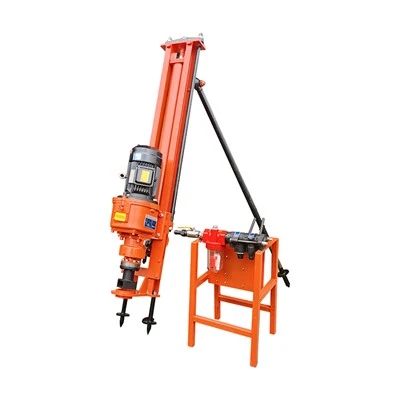
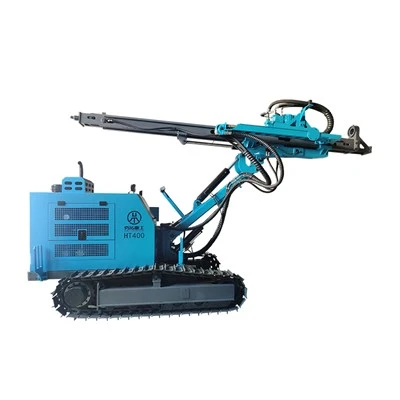
Hey there! As a supplier of pneumatic air leg rock drills, I've seen firsthand how important it is to keep these machines in top - notch condition. One crucial part that often gets overlooked is the air filter. In this blog, I'm gonna walk you through how to clean the air filter of a pneumatic air leg rock drill.
Why Clean the Air Filter?
Before we dive into the cleaning process, let's talk about why it's so important to clean the air filter. The air filter in a pneumatic air leg rock drill plays a vital role in ensuring the smooth operation of the machine. It prevents dust, dirt, and other contaminants from entering the drill's internal components. If the filter gets clogged, it restricts the airflow, which can lead to reduced performance, increased wear and tear on the drill, and even breakdowns. So, regular cleaning of the air filter can extend the lifespan of your drill and save you money in the long run.
Tools You'll Need
To clean the air filter of your pneumatic air leg rock drill, you don't need a whole bunch of fancy tools. Here's what you'll need:
- A small brush: This can be an old toothbrush or a dedicated parts - cleaning brush. It'll help you remove the loose dirt and debris from the filter.
- Compressed air source: A can of compressed air or an air compressor will work great. This is used to blow out the remaining dust from the filter.
- Cleaning solution: You can use a mild detergent mixed with water. Avoid using harsh chemicals that could damage the filter.
- A clean, dry cloth: To wipe down the filter after cleaning.
Step - by - Step Cleaning Process
Step 1: Turn Off and Disconnect the Drill
Safety first! Before you start working on the air filter, make sure the pneumatic air leg rock drill is turned off and disconnected from the air supply. This will prevent any accidental start - ups and keep you safe.
Step 2: Locate the Air Filter
The air filter is usually located near the air intake of the drill. On most pneumatic air leg rock drills, it's a small, cylindrical or rectangular component. You might need to remove a cover or a housing to access the filter. Refer to your drill's user manual if you're having trouble finding it.
Step 3: Remove the Air Filter
Once you've located the air filter, carefully remove it from the drill. Some filters are held in place by clips, while others might be screwed in. Be gentle when removing the filter to avoid damaging it.
Step 4: Brush Off Loose Debris
Take your small brush and gently brush the filter to remove any loose dirt, dust, or debris. Start from the outside and work your way in, making sure to get into all the nooks and crannies. This will get rid of the big chunks of dirt and make the next step easier.
Step 5: Soak the Filter
Fill a container with your cleaning solution and submerge the air filter in it. Let it soak for about 15 - 20 minutes. This will help loosen the stubborn dirt and grime that the brush couldn't remove.
Step 6: Rinse the Filter
After soaking, take the filter out of the cleaning solution and rinse it thoroughly with clean water. Make sure all the detergent is removed. You can use a gentle stream of water from a faucet or a hose.
Step 7: Blow Out the Filter
Use your compressed air source to blow out any remaining dust from the filter. Hold the filter against the airflow and make sure to cover all areas. This will help dry the filter quickly and also remove any hard - to - reach dirt.
Step 8: Dry the Filter
Pat the filter dry with a clean, dry cloth. Then, let it air - dry completely before reinstalling it. This might take a few hours, depending on the humidity and the type of filter.
Step 9: Reinstall the Filter
Once the filter is dry, carefully reinstall it in the drill. Make sure it's properly seated and secured. Put back any covers or housings that you removed earlier.

Additional Tips
- Regular Maintenance Schedule: Set up a regular schedule for cleaning the air filter. Depending on how often you use the drill and the working conditions, you might need to clean it every few weeks or months.
- Inspect the Filter: While cleaning, take a close look at the filter for any signs of damage, such as tears or holes. If you notice any damage, it's time to replace the filter.
- Keep Spare Filters on Hand: Having a spare air filter on hand can save you time if the one in your drill gets damaged or too dirty to clean.
Our Other Products
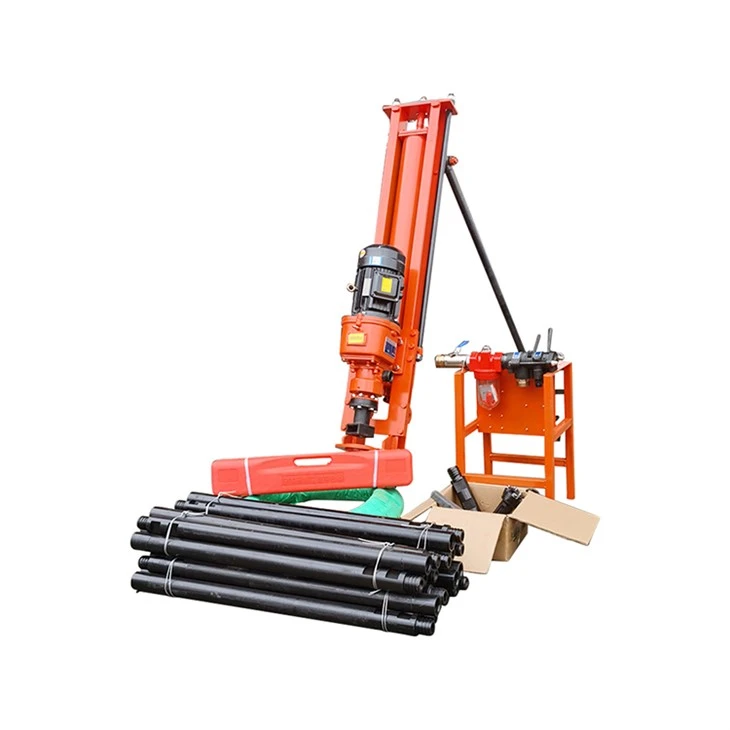
If you're in the market for other rock - drilling equipment, we've got you covered. Check out our mini pneumatic drill, which is perfect for small - scale projects. We also offer hand held rock drilling equipment for more portable and flexible use. And if you need small down the hole drilling solutions, our products are designed to meet your needs.
Contact Us for Purchasing
If you're interested in our pneumatic air leg rock drills or any of our other products, don't hesitate to reach out. We're always happy to answer your questions and help you find the right equipment for your project. Whether you're a professional contractor or a DIY enthusiast, we've got the tools to get the job done.
References
- Manufacturer's user manuals for pneumatic air leg rock drills
- Industry best practices for pneumatic equipment maintenance