Selecting the appropriate rock drilling equipment is a critical decision for any mining project. The efficiency, safety, and cost - effectiveness of the entire operation hinge on this choice. As a rock drilling equipment supplier, I have witnessed firsthand the impact of making the right or wrong equipment selection. In this blog, I will guide you through the key factors to consider when choosing rock drilling equipment for a mining project.
Understanding the Mining Environment
The first step in choosing the right rock drilling equipment is to understand the mining environment. Different mines have unique geological conditions, such as rock hardness, abrasiveness, and fracture patterns. For instance, in a hard - rock mine, you will need equipment that can handle the high - stress drilling required to penetrate dense rock formations. On the other hand, in a soft - rock mine, equipment with less power but higher precision might be more suitable.
The depth of the drilling is another crucial environmental factor. Shallow drilling projects may not require the same heavy - duty equipment as deep - drilling operations. In addition, the presence of water, gas, or other hazardous substances in the mine can also influence the choice of equipment. For example, in a wet mine, you need equipment that is corrosion - resistant and can operate effectively in a damp environment.
Types of Rock Drilling Equipment
There are several types of rock drilling equipment available in the market, each with its own advantages and limitations.
Rotary Drills
Rotary drills are commonly used in large - scale mining projects. They work by rotating a drill bit while applying downward pressure to break through the rock. These drills are suitable for both soft and hard rocks and can achieve high drilling speeds. However, they are relatively large and heavy, which may limit their mobility in some mines.
Percussive Drills
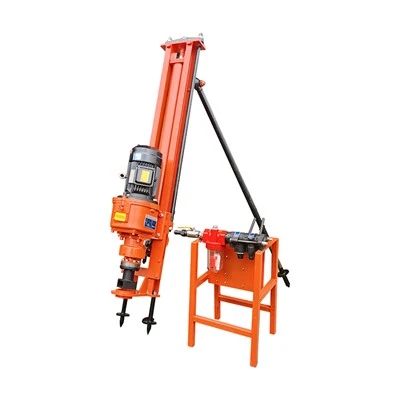
Percussive drills, such as the pneumatic air leg rock drill, use a piston to deliver rapid blows to the drill bit, breaking the rock into small pieces. These drills are highly effective in hard - rock drilling and are often used in underground mining. They are relatively lightweight and easy to operate, making them a popular choice for small - to medium - scale mining projects.
Down - the - Hole (DTH) Drills
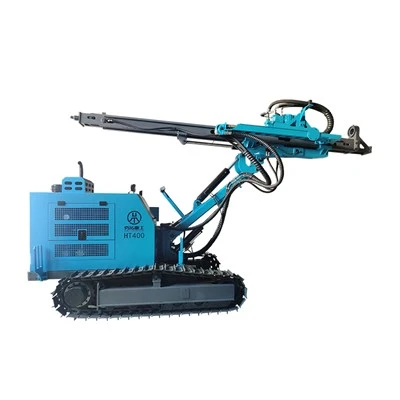
DTH drills are designed for deep - hole drilling. They have a hammer located at the bottom of the drill string, which delivers powerful blows directly to the drill bit. DTH drills are very efficient in hard - rock drilling and can achieve high penetration rates. The small down the hole drilling equipment is suitable for smaller mining operations or projects with space constraints.
Mini Pneumatic Drills
Mini pneumatic drills, like the mini pneumatic drill, are compact and lightweight. They are powered by compressed air and are ideal for small - scale mining, exploration, or maintenance work. These drills are easy to transport and can be operated in confined spaces.
Equipment Capacity and Performance
When choosing rock drilling equipment, you need to consider its capacity and performance. The capacity of the equipment refers to its ability to drill holes of a certain diameter and depth. You should choose equipment that can meet the specific drilling requirements of your mining project.
The performance of the equipment is also important. Key performance indicators include drilling speed, penetration rate, and power consumption. A high - performance drill can significantly improve the efficiency of your mining operation. However, you also need to balance performance with cost. Sometimes, a more expensive high - performance drill may not be cost - effective for a small - scale project.
Safety Features
Safety is a top priority in any mining project. When selecting rock drilling equipment, you should look for equipment with advanced safety features. For example, some drills are equipped with automatic shut - off systems that can prevent accidents in case of overheating, overloading, or other malfunctions.
In addition, the equipment should be designed to minimize the risk of dust and noise pollution. Dust generated during drilling can cause respiratory problems for miners, and excessive noise can lead to hearing loss. Therefore, choose equipment with effective dust collection systems and noise - reducing features.
Maintenance and Support
Regular maintenance is essential to ensure the long - term performance and reliability of rock drilling equipment. When choosing equipment, you should consider the ease of maintenance and the availability of spare parts. Some equipment is designed for easy disassembly and cleaning, which can reduce maintenance time and costs.
It is also important to choose a supplier that can provide comprehensive technical support. A reliable supplier should be able to offer training on equipment operation and maintenance, as well as timely after - sales service.
Cost Considerations
Cost is always a major factor in any equipment purchase decision. The cost of rock drilling equipment includes not only the initial purchase price but also the cost of operation, maintenance, and replacement parts.


You should compare the prices of different equipment models and suppliers. However, do not make your decision based solely on price. A cheaper drill may have lower performance or require more frequent maintenance, which can increase the overall cost in the long run.
Conclusion
Choosing the right rock drilling equipment for a mining project is a complex decision that requires careful consideration of multiple factors. By understanding the mining environment, choosing the appropriate type of equipment, considering capacity and performance, prioritizing safety, ensuring proper maintenance and support, and balancing cost, you can make an informed decision that will benefit your mining operation.
As a rock drilling equipment supplier, I am committed to helping you find the best equipment for your mining project. If you have any questions or need further advice on equipment selection, please feel free to contact me for a detailed consultation. We can discuss your specific requirements and find the most suitable solutions for your project.
References
- Smith, J. (2018). Mining Equipment Selection Guide. Mining Journal Press.
- Johnson, R. (2020). Rock Drilling Technology and Applications. Academic Press.
- Brown, A. (2019). Safety in Mining Equipment Operations. Safety Publications.