As a reliable air rock drill supplier, ensuring the air tightness of our products is of utmost importance. Air tightness directly affects the performance, efficiency, and lifespan of an air rock drill. In this blog, I'll share some effective methods to check the air tightness of an air rock drill.
Why Air Tightness Matters
Before delving into the checking methods, it's crucial to understand why air tightness is so vital. An air rock drill operates by using compressed air to drive its internal components. If there are air leaks, the drill will not receive the optimal amount of air pressure. This can lead to reduced drilling power, slower operation, and increased energy consumption. Moreover, air leaks can cause premature wear and tear on the drill's parts, resulting in more frequent breakdowns and higher maintenance costs.
Visual Inspection
The first step in checking the air tightness of an air rock drill is a visual inspection. Start by examining the external hoses and connections. Look for any signs of damage, such as cracks, cuts, or abrasions on the hoses. These can be potential sources of air leaks. Check the hose clamps to ensure they are tight and secure. Loose clamps can allow air to escape from the connections.
Inspect the body of the air rock drill for any visible holes or gaps. Pay special attention to areas around the joints and seals. If you notice any rust or corrosion, it could indicate that the seals are compromised and air might be leaking. For example, if the seal around the piston cylinder is damaged, it can lead to significant air loss.
Pressure Testing
Pressure testing is a more accurate way to check the air tightness of an air rock drill. To perform a pressure test, you'll need a pressure gauge and a source of compressed air.
First, connect the air rock drill to the compressed air source using a suitable hose. Make sure all the connections are tight. Attach the pressure gauge to the drill's air inlet.
Slowly increase the air pressure to the recommended operating pressure of the drill. This information can usually be found in the drill's user manual. Once the pressure reaches the desired level, shut off the air supply and observe the pressure gauge.

If the pressure drops rapidly, it indicates that there is a significant air leak in the drill. You may need to use a soapy water solution to locate the leak. Apply the soapy water to the suspected areas, such as the hoses, connections, and seals. If there is an air leak, bubbles will form at the leak point.
If the pressure drops slowly, it could be due to a minor leak. In this case, you can still use the soapy water method to find the leak. However, it may require more patience and careful inspection.
Listening for Leaks
Another simple yet effective method is to listen for air leaks. With the air rock drill connected to the compressed air source and running at the recommended pressure, listen carefully for any hissing sounds. A hissing sound is a clear indication of an air leak.
Move around the drill, paying attention to different parts such as the hoses, connections, and the drill body. You may need to use a stethoscope to detect very small leaks. Place the stethoscope on the suspected areas and listen for any faint hissing sounds.
Using a Leak Detector
For more precise and efficient leak detection, you can use a specialized air leak detector. There are different types of leak detectors available on the market, such as ultrasonic leak detectors and halogen leak detectors.
Ultrasonic leak detectors work by detecting the high - frequency sound waves produced by air leaks. They are very sensitive and can detect even the smallest leaks. To use an ultrasonic leak detector, simply scan the air rock drill and its components. When the detector picks up the sound of an air leak, it will emit an audible signal or display a visual indication.
Halogen leak detectors are used to detect leaks in systems that use halogen - based refrigerants or gases. Although air rock drills do not typically use halogen gases, some advanced models may have components that require leak detection. These detectors work by detecting the presence of halogen gases in the air.
Maintenance and Repair
Once you have identified the air leaks in the air rock drill, it's important to take immediate action to repair them. If the leak is due to a damaged hose, replace the hose with a new one of the appropriate size and type. Make sure to use high - quality hoses to ensure long - term performance.
If the leak is coming from a loose connection, tighten the connection using the appropriate tools. If the seal is damaged, replace it with a new seal. It's important to use the correct seals recommended by the drill manufacturer to ensure a proper fit and air tightness.
Regular maintenance is also essential to prevent air leaks in the future. Clean the air rock drill regularly to remove dirt, dust, and debris. Lubricate the moving parts as recommended in the user manual. This will help to keep the seals in good condition and prevent premature wear.
Different Types of Air Rock Drills and Air Tightness
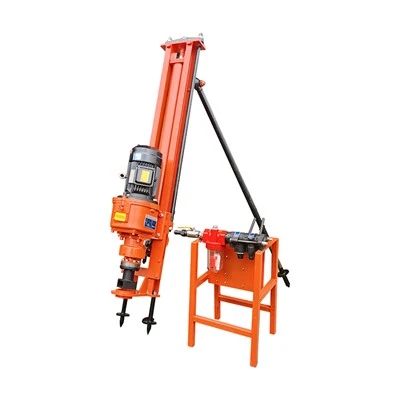
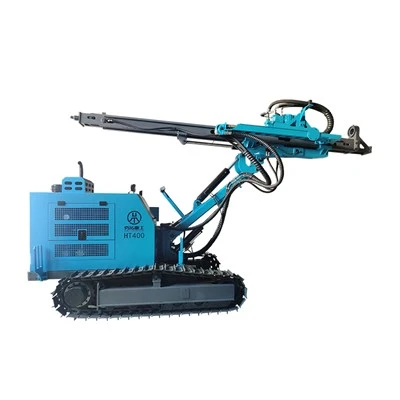
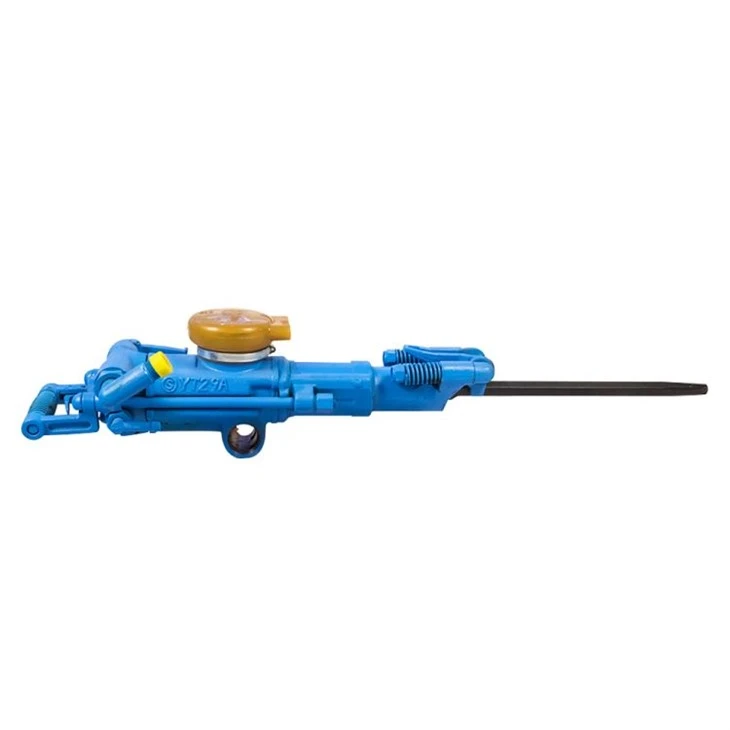
There are various types of air rock drills available, such as pneumatic air leg rock drill, Integrated Open - pit Down - the - hole Drill Rig, and Hand Held Rock Drill. Each type has its own unique design and requirements for air tightness.
Pneumatic air leg rock drills are often used in underground mining and tunneling. They rely on an air leg for support and stability. The air leg also requires proper air tightness to function correctly. When checking the air tightness of a pneumatic air leg rock drill, pay special attention to the air leg's hoses and connections, as well as the drill itself.
Integrated Open - pit Down - the - hole Drill Rigs are used for large - scale open - pit mining operations. These drills are more complex and have multiple components that need to be checked for air tightness. The air supply system, the drill bit assembly, and the control valves are all critical areas to inspect.
Hand Held Rock Drills are portable and easy to use. They are commonly used in construction and small - scale mining projects. Since they are hand - held, they are more likely to be exposed to rough handling, which can damage the hoses and seals. Regularly checking the air tightness of hand - held rock drills is essential to ensure their performance.
Conclusion
Checking the air tightness of an air rock drill is a crucial step in maintaining its performance and efficiency. By using a combination of visual inspection, pressure testing, listening for leaks, and using leak detectors, you can effectively identify and repair air leaks. Regular maintenance and proper handling of the drill can also help to prevent air leaks in the future.
If you are in the market for high - quality air rock drills or need more information about air tightness and maintenance, we are here to help. As a leading air rock drill supplier, we offer a wide range of products to meet your specific needs. Contact us today to start a procurement discussion and find the perfect air rock drill for your project.
References
- Air Rock Drill User Manuals
- Industry Standards for Air Compressor and Drill Equipment
- Technical Papers on Air Leak Detection and Prevention in Pneumatic Systems