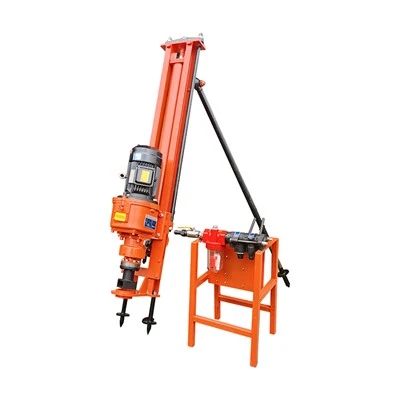
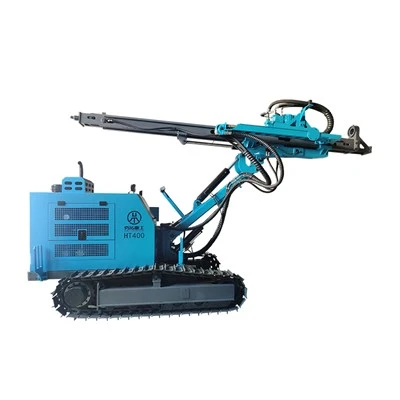
Calibrating water well drilling equipment is a crucial process that ensures the accuracy, efficiency, and safety of water well drilling operations. As a reputable water well drilling equipment supplier, I understand the significance of proper calibration in achieving optimal performance. In this blog post, I will share some valuable insights on how to calibrate water well drilling equipment effectively.
Understanding the Importance of Calibration
Before delving into the calibration process, it's essential to understand why calibration is so important. Water well drilling equipment operates under extreme conditions, and even minor inaccuracies can lead to significant problems. Calibration helps to:
- Ensure Accuracy: Proper calibration ensures that the equipment measures and operates within the specified tolerances, resulting in accurate drilling depths, angles, and other critical parameters.
- Enhance Efficiency: Calibrated equipment operates more efficiently, reducing energy consumption, wear and tear, and downtime. This leads to cost savings and increased productivity.
- Improve Safety: Accurate equipment reduces the risk of accidents and injuries during drilling operations. Calibration helps to identify and correct any potential safety hazards before they become a problem.
- Comply with Standards: Many industries and regulatory bodies have specific calibration requirements for water well drilling equipment. By calibrating your equipment regularly, you can ensure compliance with these standards.
Pre-Calibration Preparation
Before starting the calibration process, it's important to prepare the equipment and the work area. Here are some steps to follow:
- Review the Manufacturer's Instructions: The manufacturer's instructions provide detailed information on how to calibrate the specific equipment you are using. Review these instructions carefully before starting the calibration process.
- Gather the Necessary Tools and Equipment: You will need a variety of tools and equipment to calibrate the water well drilling equipment, including measuring instruments, calibration standards, and adjustment tools. Make sure you have all the necessary tools and equipment on hand before starting the calibration process.
- Clean and Inspect the Equipment: Before calibrating the equipment, it's important to clean and inspect it for any damage or wear. Remove any dirt, debris, or other contaminants from the equipment, and check for any loose or damaged parts.
- Set Up the Work Area: Choose a clean, dry, and well-lit work area for the calibration process. Make sure the work area is free from any distractions or hazards that could interfere with the calibration process.
Calibration Procedures
The calibration procedures for water well drilling equipment may vary depending on the type of equipment and the specific calibration requirements. However, the following general steps can be followed for most types of water well drilling equipment:
- Level the Equipment: Use a level to ensure that the equipment is level and stable. This is important for accurate measurements and calibration.
- Check the Power Supply: Make sure the equipment is properly connected to a stable power supply. Check the voltage and current readings to ensure that they are within the specified range.
- Calibrate the Measuring Instruments: Use calibration standards to calibrate the measuring instruments, such as the depth gauge, angle indicator, and pressure gauge. Follow the manufacturer's instructions for calibrating the measuring instruments.
- Adjust the Equipment Settings: Use the adjustment tools to adjust the equipment settings, such as the drilling speed, feed rate, and torque. Make sure the settings are within the specified range and are appropriate for the drilling conditions.
- Test the Equipment: After calibrating the equipment, test it to ensure that it is operating properly. Perform a test drill to check the accuracy of the measurements and the performance of the equipment.
Post-Calibration Verification
After completing the calibration process, it's important to verify the calibration results to ensure that the equipment is operating within the specified tolerances. Here are some steps to follow:
- Repeat the Calibration Process: Repeat the calibration process to confirm the accuracy of the calibration results. This helps to ensure that the equipment is calibrated correctly and that the calibration results are consistent.
- Perform a Final Inspection: Perform a final inspection of the equipment to check for any signs of damage or wear. Make sure all the parts are properly tightened and that the equipment is clean and free from any contaminants.
- Document the Calibration Results: Document the calibration results, including the date, time, calibration standards used, and the calibration results. This documentation is important for compliance purposes and for tracking the performance of the equipment over time.
Maintenance and Calibration Schedule
Regular maintenance and calibration are essential for ensuring the accuracy, efficiency, and safety of water well drilling equipment. Here are some tips for maintaining and calibrating your equipment:
- Follow the Manufacturer's Recommendations: The manufacturer's recommendations provide detailed information on the maintenance and calibration requirements for the specific equipment you are using. Follow these recommendations carefully to ensure the proper operation of the equipment.
- Establish a Maintenance and Calibration Schedule: Establish a regular maintenance and calibration schedule for your equipment. This helps to ensure that the equipment is maintained and calibrated on a timely basis and that any potential problems are identified and corrected before they become a major issue.
- Keep Records of Maintenance and Calibration: Keep detailed records of the maintenance and calibration activities performed on your equipment. This documentation is important for compliance purposes and for tracking the performance of the equipment over time.
- Train Your Staff: Provide training to your staff on the proper maintenance and calibration procedures for the water well drilling equipment. This helps to ensure that the equipment is maintained and calibrated correctly and that any potential problems are identified and corrected quickly.
Conclusion
Calibrating water well drilling equipment is a critical process that ensures the accuracy, efficiency, and safety of water well drilling operations. By following the steps outlined in this blog post, you can calibrate your water well drilling equipment effectively and ensure that it is operating within the specified tolerances. Remember to follow the manufacturer's instructions, use the appropriate calibration standards and tools, and document the calibration results. Regular maintenance and calibration are essential for ensuring the long-term performance and reliability of your water well drilling equipment.
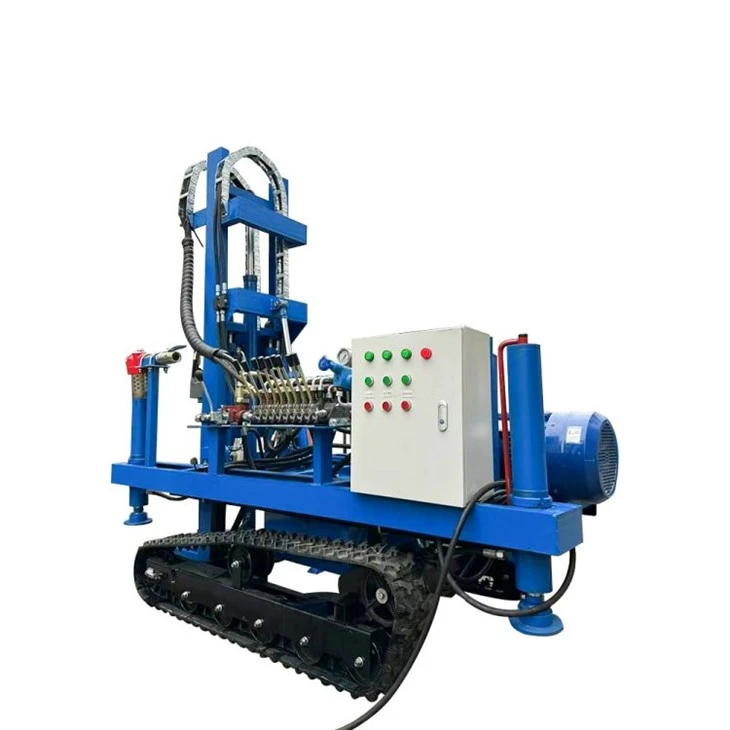
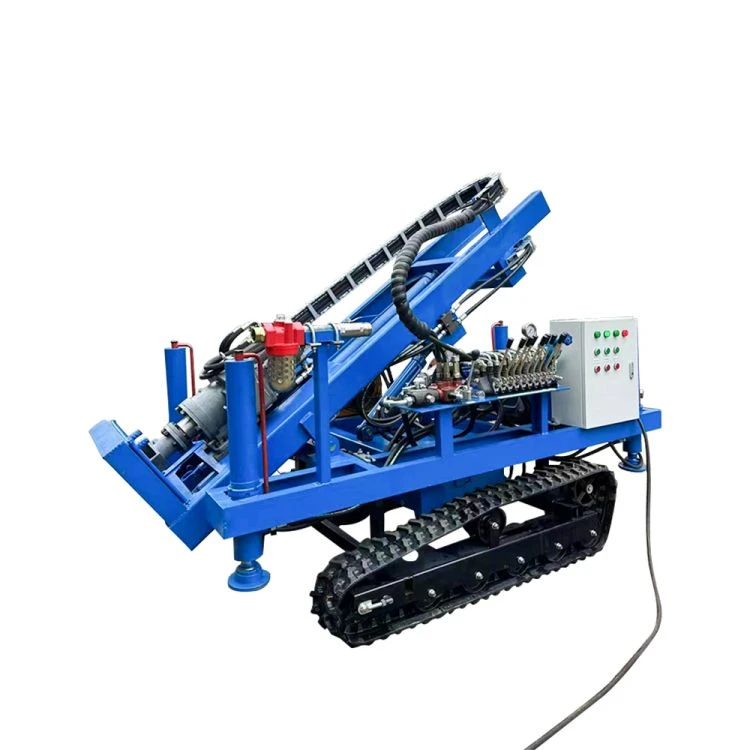
If you are in the market for high-quality water well drilling equipment, we invite you to explore our range of water well drilling rigs. Our Rotary Water Well Drilling Rig and Multi-Functional Truck-mounted Water Well Drilling Rig are designed to meet the needs of various drilling applications. Contact us today to learn more about our products and to discuss your specific requirements. We look forward to working with you to provide the best water well drilling solutions for your business.
References
- Manufacturer's instructions for water well drilling equipment
- Industry standards and regulations for water well drilling equipment calibration
- Technical manuals and publications on water well drilling equipment calibration and maintenance