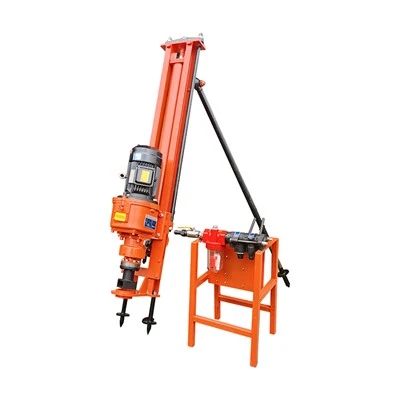
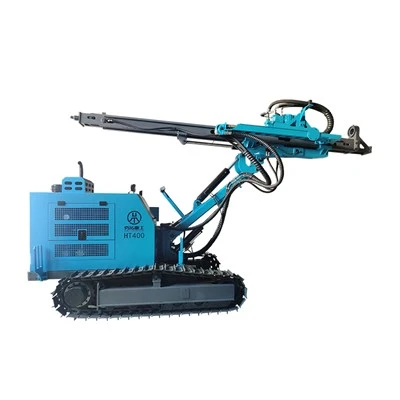
Hey there, folks! As a supplier of water well drill rig trucks, I often get asked about how to adjust the drilling speed. It's a crucial aspect that can significantly impact the efficiency and success of your drilling operations. So, let's dive right in and explore the ins and outs of adjusting the drilling speed of a water well drill rig truck.


Understanding the Basics of Drilling Speed
First off, it's important to know what drilling speed is all about. Drilling speed refers to how fast the drill bit rotates and penetrates the ground. It's usually measured in revolutions per minute (RPM). The right drilling speed can vary depending on several factors, such as the type of soil or rock you're drilling through, the size and type of drill bit, and the overall design of the drill rig truck.
Factors Affecting Drilling Speed
1. Ground Conditions
The type of ground you're drilling into plays a huge role. For example, if you're drilling through soft soil, you can usually go with a higher drilling speed. Soft soil offers less resistance to the drill bit, so you can get the job done faster. On the other hand, if you're dealing with hard rock, a lower drilling speed is often more appropriate. Hard rock requires more force to break through, and a high - speed rotation might cause the drill bit to wear out quickly or even break.
2. Drill Bit Type and Size
Different drill bits are designed for different purposes and ground conditions. A larger drill bit might require a slower speed to maintain stability and prevent damage. Also, some specialized drill bits, like those for rock drilling, are engineered to work best at specific speeds. Using the wrong speed with the wrong bit can lead to inefficient drilling and premature bit failure.
3. Rig Capacity and Design
The water well drill rig truck's own capacity and design features also matter. Some rigs are built to handle high - speed drilling better than others. Check the manufacturer's specifications for your particular rig to see what the recommended speed range is. Overloading the rig by setting the speed too high can cause mechanical problems and reduce the lifespan of the rig components.
Adjusting the Drilling Speed
1. Manual Adjustment
Most water well drill rig trucks come with a manual control system for adjusting the drilling speed. This usually involves a throttle or a speed control lever in the operator's cab. To adjust the speed, you simply move the lever or turn the throttle to increase or decrease the RPM. However, when making manual adjustments, it's important to do it gradually. Sudden changes in speed can shock the drill rig and cause issues.
2. Automatic Control Systems
Many modern drill rig trucks are equipped with automatic control systems. These systems use sensors to monitor various parameters such as the torque on the drill bit, the pressure in the drill string, and the rate of penetration. Based on this data, the system can automatically adjust the drilling speed to optimize performance. This is a great option as it takes a lot of the guesswork out of the process.
3. Using Hydraulic Systems
Hydraulic systems are commonly used in water well drill rig trucks to control the drilling speed. By adjusting the flow rate and pressure of the hydraulic fluid, you can change the speed of the drill bit. This gives you a high level of control over the drilling process. But you need to have a good understanding of how hydraulic systems work to make the right adjustments.
Tips for Optimal Drilling Speed Adjustment
1. Start Slow
When you're starting a new drilling project, it's always a good idea to start at a slow speed. This allows you to get a feel for the ground conditions and how the drill rig is performing. You can then gradually increase the speed as you gain more confidence and understanding of the situation.
2. Monitor the Drill Bit
Keep an eye on the drill bit during the drilling process. If you notice excessive wear, overheating, or if the drill bit seems to be struggling, it might be a sign that the speed is too high. In this case, reduce the speed and see if the situation improves.
3. Keep Records
Maintaining records of the drilling speed, ground conditions, and other relevant data for each project can be very helpful. You can use this information to make more informed decisions in future projects. It can also help you identify any patterns or issues that might be affecting the drilling speed.
Our Product Offerings
As a water well drill rig truck supplier, we offer a wide range of high - quality rigs. If you're looking for a truck - mounted solution, check out our truck mounted water well drilling rig. It's designed for easy transportation and efficient drilling.
We also have Hydraulic Crawler water well drilling rig for more challenging terrains. These crawler rigs offer better stability and mobility on uneven ground.
And if you need a more general - purpose solution, our Well Drilling Machines are a great choice. They come in various sizes and configurations to meet different drilling needs.
Contact Us for Purchase and Consultation
If you're in the market for a water well drill rig truck or need more advice on adjusting the drilling speed, we're here to help. Our team of experts has years of experience in the industry and can provide you with all the information you need. Whether you're a small - scale contractor or a large - scale drilling company, we can work with you to find the right rig for your project. So, don't hesitate to reach out and start a conversation about your drilling requirements.
References
- Industry standards for water well drill rig operation
- Manufacturer's manuals for water well drill rig trucks