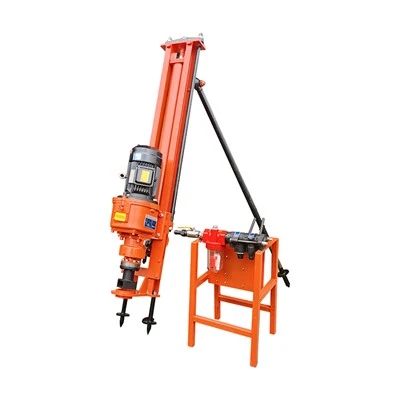
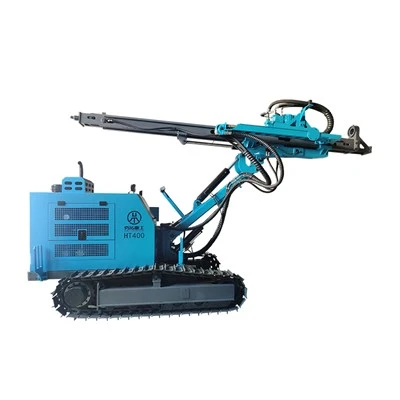
Adjusting drilling parameters when using a drilling rod is a crucial aspect of ensuring efficient and effective drilling operations. As a drilling rod supplier, I understand the importance of providing our customers with the knowledge and guidance to optimize their drilling processes. In this blog post, I will share some key considerations and practical tips on how to adjust drilling parameters for different drilling scenarios.
Understanding the Basics of Drilling Parameters
Before delving into the adjustment process, it's essential to have a clear understanding of the primary drilling parameters. These parameters include rotational speed, feed rate, torque, and hydraulic pressure. Each of these factors plays a significant role in the drilling performance and the overall lifespan of the drilling rod.
- Rotational Speed: This refers to the number of revolutions per minute (RPM) at which the drilling rod rotates. The appropriate rotational speed depends on the type of rock or material being drilled, the diameter of the drill bit, and the drilling method.
- Feed Rate: The feed rate is the speed at which the drilling rod is advanced into the material. It is typically measured in inches per minute (IPM) or millimeters per minute (mm/min). A proper feed rate ensures that the drill bit maintains contact with the material and removes cuttings efficiently.
- Torque: Torque is the rotational force applied to the drilling rod. It is necessary to overcome the resistance of the material being drilled and to keep the drill bit rotating. Insufficient torque can lead to stalling, while excessive torque can cause damage to the drilling rod and equipment.
- Hydraulic Pressure: In hydraulic drilling systems, hydraulic pressure is used to power the drilling equipment. The pressure affects the force applied to the drill bit and the movement of the drilling rod. Maintaining the correct hydraulic pressure is crucial for optimal drilling performance.
Factors Affecting Drilling Parameter Adjustment
Several factors can influence the adjustment of drilling parameters. These include the type of drilling rod, the characteristics of the material being drilled, and the drilling equipment being used.
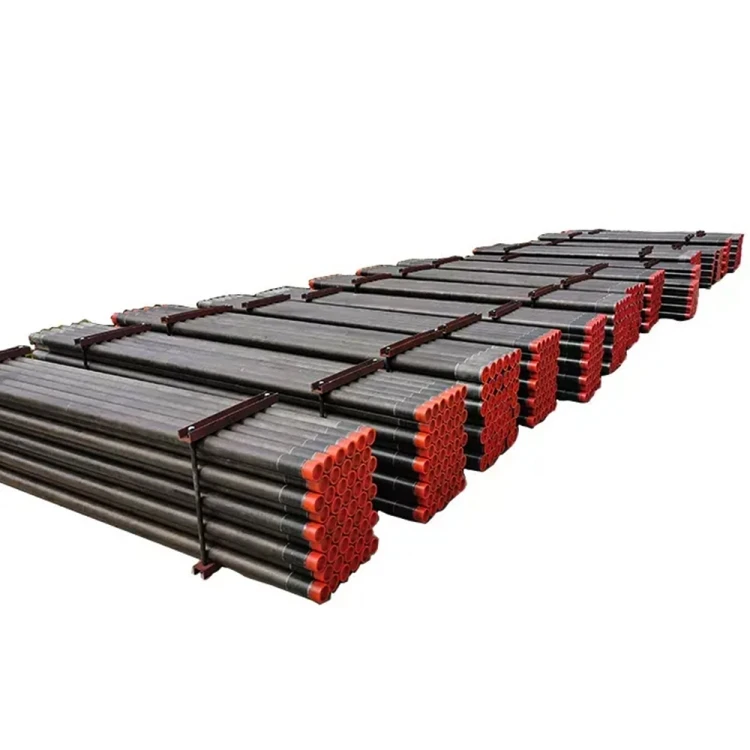
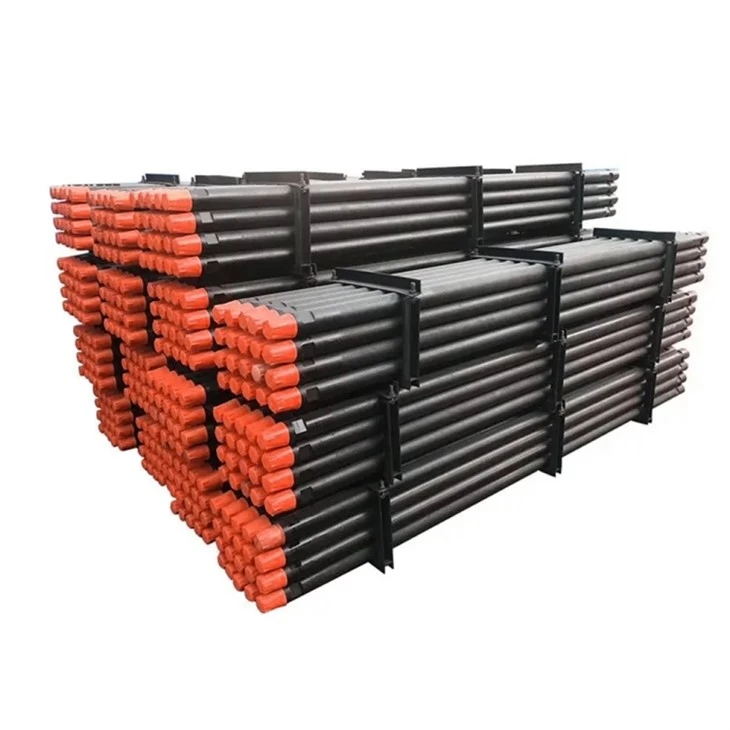
- Type of Drilling Rod: Different types of drilling rods are designed for specific applications. For example, rock Drill Rods are used for drilling in hard rock formations, while Geotechnical Drill Rod are suitable for soil and soft rock drilling. The design and specifications of the drilling rod can affect the optimal drilling parameters.
- Material Characteristics: The hardness, density, and composition of the material being drilled are important considerations. Harder materials generally require higher torque and lower rotational speeds, while softer materials can be drilled at higher speeds with less torque. Additionally, the presence of fractures, joints, or other geological features can also impact the drilling process.
- Drilling Equipment: The capabilities and limitations of the drilling equipment, such as the drill rig, power source, and control system, must be taken into account. Different equipment may have different operating ranges for rotational speed, feed rate, and torque.
Adjusting Drilling Parameters for Different Drilling Scenarios
Drilling in Hard Rock
When drilling in hard rock, it is essential to use a drilling rod that is specifically designed for this type of application, such as rock Drill Rods. Here are some tips for adjusting the drilling parameters:
- Rotational Speed: Reduce the rotational speed to prevent excessive wear on the drill bit. A lower speed allows the drill bit to penetrate the hard rock more effectively.
- Feed Rate: Decrease the feed rate to ensure that the drill bit has enough time to break through the rock. A slow and steady feed rate helps to maintain the integrity of the drilling rod and the drill bit.
- Torque: Increase the torque to overcome the resistance of the hard rock. However, be careful not to apply too much torque, as this can cause damage to the drilling rod.
- Hydraulic Pressure: Adjust the hydraulic pressure to provide sufficient force to the drill bit. Higher pressure may be required to break through the hard rock.
Drilling in Soft Rock or Soil
For drilling in soft rock or soil, a different set of drilling parameters may be required. Geotechnical Drill Rod are often used in these applications. Here's how to adjust the parameters:
- Rotational Speed: Increase the rotational speed to improve the drilling efficiency. A higher speed allows the drill bit to cut through the soft material more quickly.
- Feed Rate: Increase the feed rate to keep up with the faster cutting speed. However, be careful not to overload the drill bit or the drilling rod.
- Torque: Decrease the torque as the soft material requires less force to drill. Excessive torque can cause the drill bit to overheat and wear out prematurely.
- Hydraulic Pressure: Adjust the hydraulic pressure to match the requirements of the drilling process. Lower pressure may be sufficient for soft rock or soil drilling.
Using a Threaded Drill Bits Shank Adapter
When using a Threaded Drill Bits Shank Adapter, it is important to ensure that the drilling parameters are adjusted correctly. The adapter can affect the balance and performance of the drill bit, so it is crucial to follow the manufacturer's recommendations. Here are some general guidelines:
- Check the Compatibility: Make sure that the adapter is compatible with the drill bit and the drilling rod. Using an incompatible adapter can lead to poor performance and potential damage.
- Adjust the Torque: The adapter may require a different torque setting compared to using the drill bit directly on the drilling rod. Follow the manufacturer's instructions to determine the appropriate torque.
- Monitor the Performance: Pay close attention to the drilling performance when using the adapter. If you notice any issues, such as excessive vibration or reduced drilling efficiency, adjust the parameters accordingly.
Monitoring and Fine-Tuning Drilling Parameters
Once the initial drilling parameters have been set, it is important to monitor the drilling process continuously. This allows you to detect any changes in the drilling conditions and make necessary adjustments. Here are some methods for monitoring and fine-tuning the parameters:
- Visual Inspection: Regularly inspect the drill bit, drilling rod, and the cuttings being produced. Look for signs of wear, damage, or abnormal drilling behavior.
- Instrumentation: Use sensors and monitoring devices to measure the rotational speed, feed rate, torque, and hydraulic pressure. This data can provide valuable insights into the drilling performance and help you make informed adjustments.
- Drilling Logs: Keep a detailed drilling log that records the drilling parameters, the depth of the hole, and any observations or issues encountered during the drilling process. This log can be used to analyze the performance and make improvements for future drilling operations.
Conclusion
Adjusting the drilling parameters when using a drilling rod is a complex but essential task. By understanding the basic drilling parameters, considering the factors that affect their adjustment, and following the tips provided in this blog post, you can optimize your drilling performance and extend the lifespan of your drilling equipment. As a drilling rod supplier, we are committed to providing our customers with high-quality products and expert advice. If you have any questions or need further assistance with adjusting your drilling parameters, please do not hesitate to contact us. We look forward to helping you achieve the best results in your drilling operations.
References
- Smith, J. (2018). Drilling Technology Handbook. Elsevier.
- Brown, A. (2019). Rock Mechanics for Drilling Engineers. Gulf Professional Publishing.
- Johnson, R. (2020). Drilling Engineering: Principles and Practice. CRC Press.