Hey there! As a supplier of air rock drills, I often get asked about the air pressure requirements for these bad boys. It's a crucial question because the right air pressure can make all the difference in the performance and efficiency of your air rock drill. So, let's dive right in and explore how much air pressure an air rock drill actually needs.
First off, it's important to understand that the air pressure requirements for an air rock drill can vary depending on several factors. Some of these factors include the type of drill, the size of the drill bit, the hardness of the rock you're drilling into, and the specific application you're using the drill for. Let's break down these factors a bit more to get a better understanding.


Type of Drill
There are different types of air rock drills available in the market, each with its own unique air pressure needs. For example, handheld air rock drills are typically used for smaller, more precise drilling tasks. These drills usually require a relatively lower air pressure compared to larger, more heavy-duty drills. On the other hand, larger drills, such as those used in mining or construction projects, need higher air pressure to operate effectively.
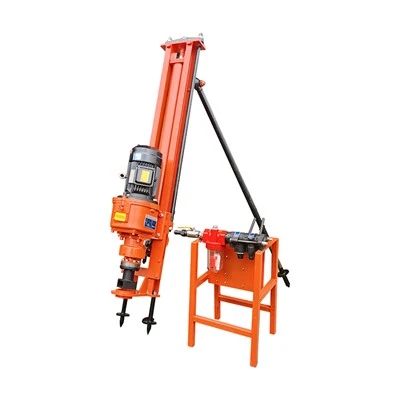
If you're looking for a smaller option, you might be interested in our mini pneumatic drill. This little guy is perfect for light-duty drilling jobs and doesn't need a ton of air pressure to get the job done.
Size of the Drill Bit
The size of the drill bit also plays a significant role in determining the air pressure requirements. Generally, larger drill bits need more air pressure to penetrate the rock effectively. This is because a larger bit has a greater surface area in contact with the rock, which requires more force to break through. So, if you're using a big drill bit, you'll need to make sure your air compressor can deliver enough pressure to support it.
Hardness of the Rock
The hardness of the rock you're drilling into is another important factor. Softer rocks, like limestone or sandstone, are easier to drill through and require less air pressure. In contrast, harder rocks, such as granite or quartzite, are more resistant and need higher air pressure to break them up. Before you start drilling, it's a good idea to assess the hardness of the rock so you can adjust the air pressure accordingly.
Specific Application
The specific application you're using the air rock drill for can also affect the air pressure requirements. For example, if you're using the drill for blasting holes in a mining operation, you'll need a drill that can handle high air pressure to ensure the holes are drilled deep and accurately. On the other hand, if you're using the drill for landscaping or small construction projects, you might not need as much air pressure.
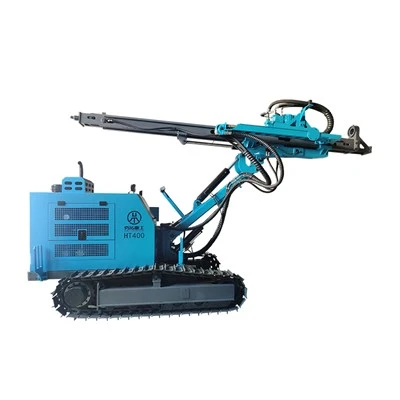
Our Integrated Open - pit Down - the - hole Drill Rig is designed for large - scale open - pit mining and construction projects. It requires a higher air pressure to operate at its best, but it can handle tough jobs with ease.
Typical Air Pressure Ranges
Now that we've covered the factors that affect air pressure requirements, let's talk about the typical air pressure ranges for air rock drills. In general, handheld air rock drills usually require an air pressure of around 90 - 120 pounds per square inch (psi). This range is sufficient for most small - to medium - sized drilling tasks.
For larger, heavy - duty air rock drills, the air pressure requirements can be much higher. These drills often need an air pressure of 150 - 250 psi or even more, depending on the specific drill and the job at hand. It's important to note that these are just general ranges, and the actual air pressure needed for your drill may vary.
Importance of the Right Air Pressure
Getting the right air pressure is crucial for the performance and longevity of your air rock drill. If the air pressure is too low, the drill may not be able to penetrate the rock effectively, which can lead to slower drilling speeds and poor hole quality. On the other hand, if the air pressure is too high, it can put excessive stress on the drill components, leading to premature wear and tear and potentially causing damage to the drill.
Air Compressor Considerations
To ensure that your air rock drill gets the right amount of air pressure, you need to have a suitable air compressor. When choosing an air compressor, you need to consider its capacity and pressure rating. The capacity of the air compressor is measured in cubic feet per minute (cfm), which indicates how much air it can deliver. You'll need an air compressor with a cfm rating that can meet the requirements of your air rock drill.
For example, if your drill requires a high air pressure and a large volume of air, you'll need a high - capacity air compressor. Our small down the hole drilling equipment has specific air pressure and cfm requirements, and we can help you choose the right air compressor to match it.
Maintenance and Monitoring
Once you've got the right air compressor and your air rock drill is up and running, it's important to regularly maintain and monitor the air pressure. Check the air pressure gauge on your compressor and drill regularly to make sure the pressure is within the recommended range. Also, keep an eye on the performance of the drill. If you notice any changes in drilling speed or hole quality, it could be a sign that the air pressure needs adjustment.
Conclusion
In conclusion, the air pressure requirements for an air rock drill depend on several factors, including the type of drill, the size of the drill bit, the hardness of the rock, and the specific application. By understanding these factors and choosing the right air compressor, you can ensure that your air rock drill operates at its best.
If you're in the market for an air rock drill or need more information about air pressure requirements, don't hesitate to reach out. We're here to help you find the perfect drill for your needs and make sure you get the most out of it. Whether you're a small contractor or a large mining company, we've got the expertise and the products to support you. So, let's start a conversation and see how we can work together to get your drilling projects done efficiently and effectively.
References
- General knowledge from the field of rock drilling equipment.
- Manufacturer's specifications for air rock drills and air compressors.