When it comes to the application of pneumatic rock drilling rigs, one common question that often arises is whether these rigs can be effectively used in hot climates. As a supplier of pneumatic rock drilling rigs, I've encountered this query numerous times from clients operating in regions with high - temperature conditions. In this blog, we'll delve into the technical aspects, potential challenges, and solutions regarding the use of pneumatic rock drilling rigs in hot climates.
Understanding Pneumatic Rock Drilling Rigs
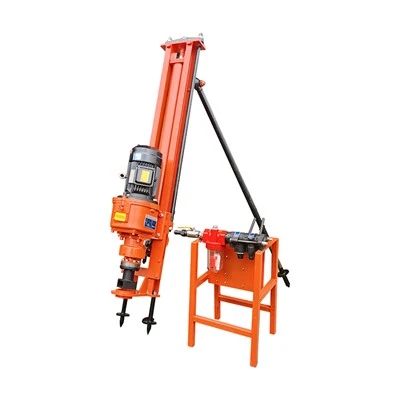
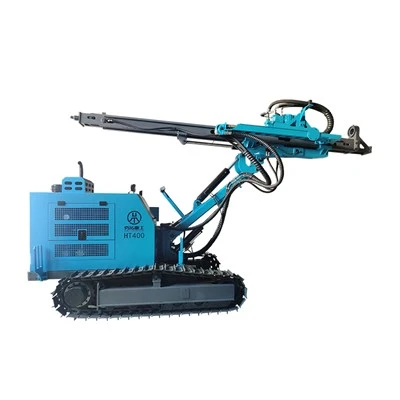
Pneumatic rock drilling rigs operate by using compressed air to power the drilling mechanism. Compressed air is not only used to drive the drill bit but also to clear the cuttings from the borehole. These rigs are popular due to their simplicity, relatively low cost, and high efficiency in various rock - drilling applications. They come in different types, such as mini pneumatic drill, small down the hole drilling, and pneumatic air leg rock drill.
Technical Considerations in Hot Climates
Compressed Air Generation
The heart of a pneumatic rock drilling rig is the air compressor. In hot climates, the performance of air compressors can be affected. Air density decreases with increasing temperature. According to the ideal gas law, (PV = nRT), where (P) is pressure, (V) is volume, (n) is the number of moles of gas, (R) is the ideal gas constant, and (T) is the absolute temperature. As the temperature rises, for a given pressure and volume, the mass of air (number of moles) that the compressor can intake per cycle decreases. This means that the compressor has to work harder to produce the same amount of compressed air.
Moreover, the heat generated during the compression process is more difficult to dissipate in hot environments. Most air compressors rely on air - cooled or water - cooled systems to remove the heat. In hot climates, the temperature difference between the compressor components and the surrounding air or cooling water is reduced, which impairs the cooling efficiency. This can lead to overheating of the compressor, increased wear and tear on its components, and a higher risk of mechanical failure.
Lubrication
Lubrication is crucial for the smooth operation of pneumatic rock drilling rigs. High temperatures can cause the lubricating oil to thin out. When the oil becomes too thin, it loses its ability to form a proper lubricating film between moving parts. This can result in increased friction, wear, and even seizure of components. For example, in the drill bit and the piston of the drilling mechanism, insufficient lubrication can lead to rapid deterioration of these parts, reducing the overall lifespan of the rig.
Rubber Seals and Hoses
Pneumatic rock drilling rigs use rubber seals and hoses to prevent air leakage and to transfer compressed air. In hot climates, rubber materials can degrade more quickly. The high temperature can cause the rubber to become brittle, crack, or lose its elasticity. This not only leads to air leakage, which reduces the efficiency of the rig, but also poses a safety hazard as sudden hose failures can result in flying debris and high - pressure air release.
Challenges Faced in Hot Climates
Reduced Drilling Efficiency
Due to the issues with compressed air generation and component performance, the drilling efficiency of pneumatic rock drilling rigs can be significantly reduced in hot climates. The lower air density and potential compressor overheating mean that the drill bit may not receive enough power to penetrate the rock effectively. As a result, the drilling speed slows down, and more time is required to complete a borehole. This can lead to increased labor costs and longer project timelines.
Increased Maintenance Requirements
The harsh conditions in hot climates accelerate the wear and tear of the rig's components. As mentioned earlier, the compressor, lubrication system, and rubber parts are all more prone to damage. This means that more frequent maintenance is needed to keep the rig in good working condition. Maintenance tasks such as changing lubricating oil, replacing rubber seals and hoses, and inspecting the compressor for overheating issues become more time - consuming and costly.
Safety Risks
The combination of overheating components, air leakage, and potential mechanical failures in hot climates poses significant safety risks. Overheating compressors can cause fires or explosions if not properly managed. Air leakage from hoses and seals can create a tripping hazard or cause unexpected movements of the rig. Additionally, the rapid wear of components can lead to sudden breakdowns during operation, endangering the safety of the operators.
Solutions for Using Pneumatic Rock Drilling Rigs in Hot Climates
Compressor Optimization
To address the issues with compressed air generation, we can consider using larger - capacity air compressors. A larger compressor can compensate for the reduced air density by taking in more air per cycle. Additionally, improving the cooling system of the compressor is essential. For air - cooled compressors, installing additional fans or using high - efficiency cooling fins can enhance the heat dissipation. For water - cooled compressors, using a chilled water supply or increasing the water flow rate can help maintain a lower operating temperature.
Lubrication Management
Selecting high - temperature - resistant lubricants is crucial. These lubricants are formulated to maintain their viscosity and lubricating properties at elevated temperatures. Regular oil analysis should also be conducted to monitor the condition of the lubricant and determine the appropriate time for oil changes. In some cases, installing oil coolers can help keep the lubricating oil at a suitable temperature.
Component Replacement and Protection
Using high - quality, heat - resistant rubber seals and hoses is necessary. These components are designed to withstand the high temperatures in hot climates and have a longer service life. Regular inspections of seals and hoses should be carried out to detect any signs of damage early. Additionally, providing shade or insulation for the rig can help reduce the direct exposure to sunlight and lower the temperature of the components.
Case Studies
There have been successful applications of pneumatic rock drilling rigs in hot climates. In some desert regions, mining companies have used our small down the hole drilling rigs for exploration purposes. By implementing the solutions mentioned above, such as upgrading the compressor cooling system and using high - temperature lubricants, they were able to achieve satisfactory drilling results. The rigs were able to operate for extended periods with relatively low maintenance requirements, demonstrating that with proper measures, pneumatic rock drilling rigs can be effectively used in hot climates.
Conclusion
In conclusion, while there are indeed challenges associated with using pneumatic rock drilling rigs in hot climates, these challenges can be overcome with appropriate technical solutions. With proper compressor optimization, lubrication management, and component protection, our pneumatic rock drilling rigs, including mini pneumatic drill, small down the hole drilling, and pneumatic air leg rock drill, can perform well in high - temperature environments.
If you are considering using pneumatic rock drilling rigs in a hot climate, we are here to provide you with professional advice and high - quality products. Our team of experts can help you select the most suitable rig for your specific needs and offer comprehensive after - sales support. We invite you to contact us for further discussions on your rock - drilling projects and to explore the possibilities of using our pneumatic rock drilling rigs.


References
- Engineering Thermodynamics textbooks for the ideal gas law and heat transfer principles.
- Manufacturer's manuals for pneumatic rock drilling rigs regarding lubrication and component specifications.
- Industry reports on the performance of pneumatic equipment in extreme climates.