Hey there! As a supplier of DTH (Down-The-Hole) hammers, I often get asked about how the chuck holds the drill bit in a DTH hammer. It's a pretty interesting topic, and I'm excited to share all the details with you.
First off, let's talk about what a DTH hammer is. A DTH hammer is a powerful tool used in drilling operations, especially in mining, construction, and geotechnical work. It works by delivering high - energy blows to the drill bit, which helps break through tough rock and other materials. The chuck is a crucial part of the DTH hammer as it's responsible for securely holding the drill bit in place during the drilling process.
So, how does the chuck hold the drill bit? Well, there are a few key mechanisms at play. One of the most common methods is through a system of jaws or teeth. The chuck has a set of jaws that can be tightened around the drill bit. These jaws are usually made of tough materials like hardened steel to ensure they can withstand the high forces involved in drilling.
When you insert the drill bit into the chuck, the jaws are initially loose. Then, you use a chuck key or some other tightening mechanism to close the jaws around the drill bit. As you turn the key, the jaws move closer together, gripping the drill bit tightly. The design of the jaws is such that they create a strong frictional force between the chuck and the drill bit. This frictional force prevents the drill bit from slipping out during the high - impact drilling action.
Another important aspect is the shape of the drill bit and the corresponding shape inside the chuck. Most drill bits have a specific shank shape, and the chuck is designed to match this shape. For example, some drill bits have a hexagonal shank, and the chuck has a hexagonal cavity. This matching shape not only helps with the alignment of the drill bit but also provides additional stability. When the hexagonal shank fits snugly into the hexagonal cavity of the chuck, it prevents the drill bit from rotating freely within the chuck, which could lead to inefficiencies and potential damage.
In addition to the mechanical gripping provided by the jaws and the shape - matching, there are also often additional locking features. Some chucks have a locking ring or a spring - loaded mechanism that further secures the drill bit. These locking features act as a secondary safety measure to ensure that the drill bit stays firmly in place, even under extreme conditions.
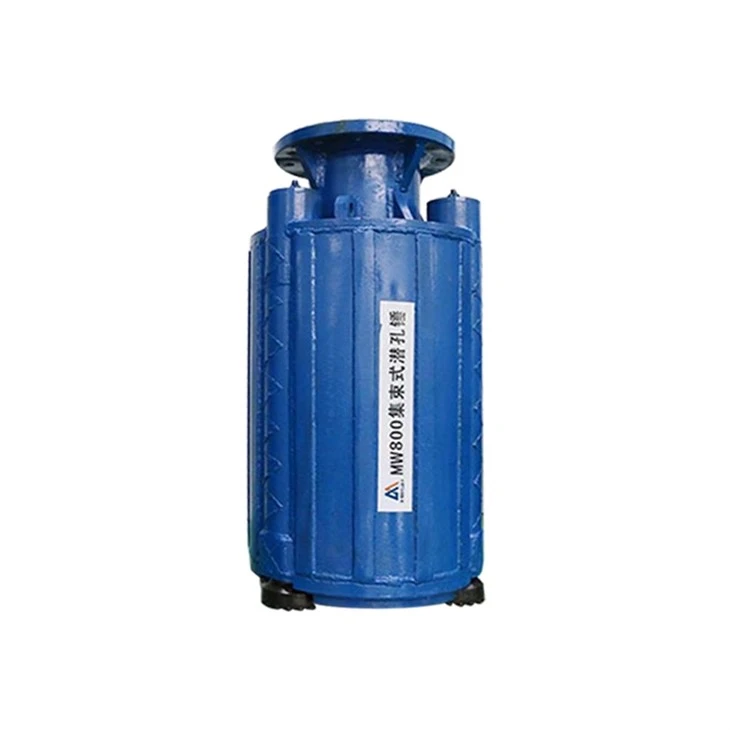
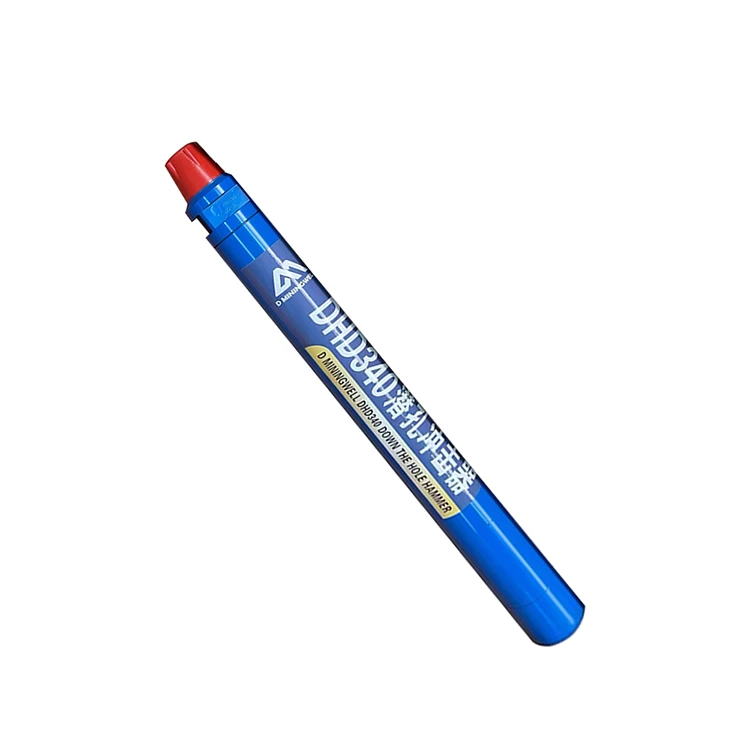
Now, let's talk about the different types of DTH hammers and how the chuck - drill bit holding mechanism might vary. We offer a range of DTH hammers, including the Cluster DTH Drilling Hammer. This type of hammer is often used in large - scale drilling projects where multiple drill bits are used simultaneously. The chuck in a cluster DTH hammer needs to be able to hold multiple drill bits securely and precisely. It's designed with a more complex jaw system that can handle the additional load and ensure that each drill bit is properly aligned and held.
Our High Pressure DTH Hammer is another popular option. High - pressure DTH hammers operate under much higher pressures, which means the forces acting on the drill bit and the chuck are also greater. To handle these high forces, the chuck in a high - pressure DTH hammer is made with even stronger materials and has a more robust locking mechanism. The jaws are designed to grip the drill bit more tightly, and the additional locking features are often more advanced to prevent any slippage.
On the other hand, our Low Pressure Down - the - hole Hammer is suitable for applications where lower pressure is required. The chuck in a low - pressure DTH hammer is still designed to hold the drill bit securely, but it may not need to be as heavy - duty as the one in a high - pressure hammer. However, the basic principles of using jaws, shape - matching, and additional locking features still apply.
Maintaining the chuck and the drill bit is also crucial for ensuring a proper hold. Over time, the jaws of the chuck can wear out, which can reduce their gripping power. Regular inspection and cleaning of the chuck are necessary. You should also check the drill bit for any signs of wear or damage. If the shank of the drill bit is worn, it may not fit properly in the chuck, leading to a loose hold.
When it comes to replacing the drill bit, it's important to follow the correct procedure. First, loosen the chuck jaws using the chuck key. Make sure to hold the drill bit firmly as you do this to prevent it from falling out suddenly. Once the jaws are loose enough, you can remove the drill bit. When inserting a new drill bit, ensure that it is clean and that the shank is in good condition. Then, insert it into the chuck and tighten the jaws as described earlier.
In conclusion, the chuck's ability to hold the drill bit in a DTH hammer is a combination of mechanical gripping, shape - matching, and additional locking features. Understanding how these mechanisms work is essential for anyone involved in DTH hammer drilling. Whether you're a professional driller or someone just interested in the technology, knowing how the chuck holds the drill bit can help you make the most of your DTH hammer.
If you're in the market for a DTH hammer or have any questions about our products, we'd love to hear from you. Whether you need a Cluster DTH Drilling Hammer, a High Pressure DTH Hammer, or a Low Pressure Down - the - hole Hammer, we've got you covered. Contact us to start a conversation about your specific needs and how we can provide the right DTH hammer solutions for you.
References:
- Drilling Equipment Handbook, various industry experts
- Manufacturer's manuals for DTH hammers