When it comes to drilling operations, choosing the right drill bit for the material at hand is crucial. A common question that often arises in the minds of DIY enthusiasts, professional contractors, and even some industry veterans is, "Can I use a masonry drilling bit on metal?" As a trusted supplier of Drill Bits, I'm here to shed light on this topic and provide you with the information you need to make an informed decision.
Understanding Masonry and Metal Drilling Bits
Before we delve into whether a masonry drill bit can be used on metal, it's essential to understand the fundamental differences between masonry and metal drill bits.
Masonry drill bits are designed specifically for drilling into hard materials such as concrete, brick, and stone. They typically have a carbide tip, which is extremely hard and can withstand the high forces and abrasion associated with drilling into masonry. The flutes on a masonry drill bit are also designed to remove the dust and debris generated during the drilling process efficiently.
On the other hand, metal drill bits are designed for drilling into various types of metals, including steel, aluminum, and copper. They are usually made of high-speed steel (HSS) or cobalt, which are strong and heat-resistant. Metal drill bits have a sharp point and a different flute design compared to masonry drill bits, which helps to cut through the metal smoothly and efficiently.
Can a Masonry Drill Bit Be Used on Metal?
The short answer is yes, you can technically use a masonry drill bit on metal. However, it's not the most efficient or recommended method. Here's why:
1. Material Compatibility
Masonry drill bits are made of carbide, which is extremely hard but also brittle. While carbide can easily cut through hard masonry materials, it may not be the best choice for metal. Metal is a more ductile material than masonry, and it requires a drill bit that can withstand the continuous cutting forces without chipping or breaking. Using a masonry drill bit on metal can cause the carbide tip to chip or break, rendering the drill bit useless.
2. Cutting Efficiency
Masonry drill bits are designed to drill into hard materials by grinding and chipping away at the surface. This method is effective for masonry but not very efficient for metal. Metal drill bits, on the other hand, are designed to cut through the metal by shearing it. This results in a cleaner and faster cut, with less heat generation and wear on the drill bit. Using a masonry drill bit on metal can lead to a slower and less precise drilling process, as well as increased wear on the drill bit.
3. Heat Generation
Drilling into metal generates a significant amount of heat, which can cause the drill bit to overheat and lose its hardness. Metal drill bits are designed to dissipate heat quickly, thanks to their high-speed steel or cobalt construction and the flute design. Masonry drill bits, however, are not designed to handle the high temperatures generated during metal drilling. Using a masonry drill bit on metal can cause the drill bit to overheat, leading to premature wear and a shorter lifespan.
When to Use a Masonry Drill Bit on Metal
While using a masonry drill bit on metal is not recommended in most cases, there are some situations where it may be acceptable:
1. Emergency Situations
If you don't have a metal drill bit on hand and need to drill a small hole in a piece of metal, you can use a masonry drill bit as a temporary solution. However, keep in mind that this is only a short-term fix, and the drill bit may not last very long.
2. Soft Metals
Masonry drill bits may work better on softer metals, such as aluminum or copper. These metals are less likely to cause the carbide tip of the masonry drill bit to chip or break. However, even with soft metals, a metal drill bit will still provide a cleaner and more efficient cut.
The Importance of Using the Right Drill Bit
Using the right drill bit for the job is essential for several reasons:
1. Efficiency
Using the correct drill bit will ensure that the drilling process is as efficient as possible. This means less time spent on the job and less wear and tear on the drill bit.
2. Quality
The right drill bit will produce a cleaner and more precise hole, which is important for the overall quality of the project. A poorly drilled hole can lead to problems such as loose fittings or a weak joint.

3. Safety
Using the wrong drill bit can be dangerous. A drill bit that is not designed for the material can break or shatter, causing flying debris and potentially injuring the operator.
Our Range of Drill Bits
As a leading supplier of Drill Bits, we offer a wide range of high-quality drill bits for various applications. Our product range includes:
- Metal Drill Bits: Made of high-speed steel or cobalt, our metal drill bits are designed to cut through various types of metals quickly and efficiently. They come in a variety of sizes and styles to suit your specific needs.
- Masonry Drill Bits: Our masonry drill bits feature a carbide tip, which provides excellent durability and performance when drilling into concrete, brick, and stone. They are available in different lengths and diameters to accommodate different drilling requirements.
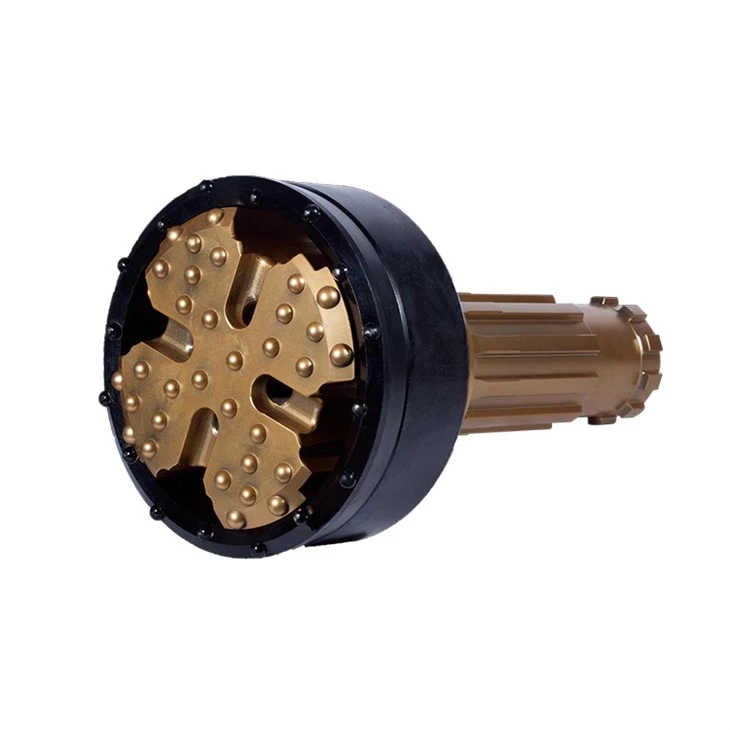
- dth Drill Bit: Ideal for deep hole drilling in mining and construction applications, our dth drill bits are designed to deliver high penetration rates and long service life.
- ODEX Drill Bit: Our ODEX drill bits are specifically designed for overburden drilling in challenging ground conditions. They feature a unique design that allows for efficient drilling and easy retrieval of the inner tube.
Conclusion
In conclusion, while it is possible to use a masonry drill bit on metal, it is not the most efficient or recommended method. Using the right drill bit for the material is crucial for achieving the best results in terms of efficiency, quality, and safety. As a supplier of high-quality Drill Bits, we are committed to providing our customers with the products and expertise they need to complete their projects successfully.
If you have any questions about our drill bits or need help choosing the right one for your application, please don't hesitate to contact us. We look forward to assisting you with your drilling needs and discussing potential procurement opportunities.
References
- "Drilling Basics: Choosing the Right Drill Bit." Family Handyman.
- "The Difference Between Masonry and Metal Drill Bits." This Old House.
- "Drill Bit Selection Guide." Bosch Power Tools.