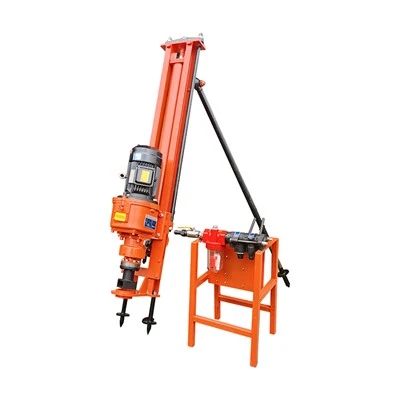
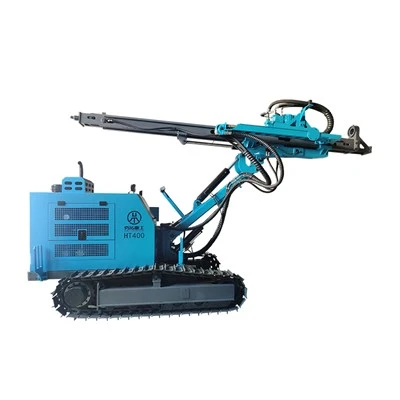
DTH (Down-The-Hole) hammers are essential tools in the drilling industry, widely used for various applications such as mining, quarrying, construction, and geothermal drilling. As a leading DTH hammer supplier, I am often asked about how these powerful tools work. In this blog post, I will provide a detailed explanation of the working principle of DTH hammers, their components, and the factors that affect their performance.
Basic Working Principle
At its core, a DTH hammer is a pneumatic percussion drill that operates by converting compressed air into mechanical energy to drive a piston. The piston, in turn, delivers repeated blows to the drill bit, which breaks the rock or soil. The basic working cycle of a DTH hammer can be divided into four main stages: intake, compression, power stroke, and exhaust.
Intake Stage
The process begins when compressed air is introduced into the DTH hammer through the drill string. The air enters the hammer's air chamber, creating a high-pressure environment. This high-pressure air pushes the piston towards the rear of the hammer, compressing the air in the rear chamber.
Compression Stage
As the piston moves towards the rear, it compresses the air in the rear chamber. This compressed air stores potential energy, which will be used to drive the piston forward during the power stroke. At the same time, the intake valve closes, preventing the compressed air from escaping.
Power Stroke
Once the air in the rear chamber is fully compressed, the intake valve opens again, allowing high-pressure air to enter the front chamber. The sudden increase in pressure in the front chamber forces the piston to move forward rapidly, delivering a powerful blow to the drill bit. This impact energy is transferred to the rock or soil, breaking it into smaller pieces.
Exhaust Stage
After the power stroke, the piston moves back towards the rear, opening the exhaust valve. The compressed air in the front chamber is then released through the exhaust port, allowing the piston to return to its original position. The cycle then repeats itself, with the intake stage starting again.
Components of a DTH Hammer
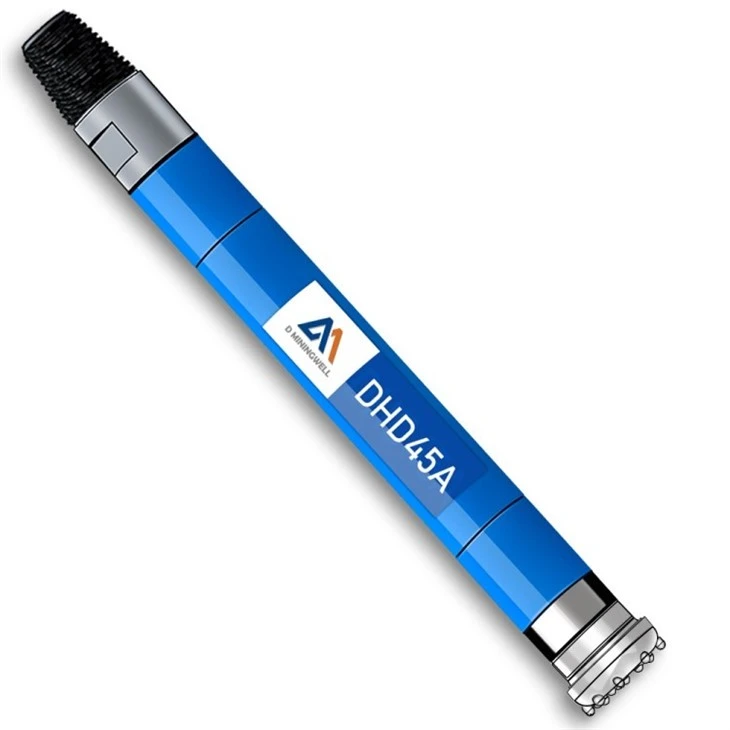
A DTH hammer consists of several key components, each playing a crucial role in its operation. These components include:
Piston
The piston is the heart of the DTH hammer. It is a cylindrical component that moves back and forth inside the hammer body, delivering the impact energy to the drill bit. The piston is typically made of high-strength steel to withstand the high forces and stresses generated during operation.
Drill Bit
The drill bit is the component that comes into direct contact with the rock or soil. It is designed to break the material into smaller pieces and remove them from the borehole. Drill bits come in various shapes and sizes, depending on the specific application and the type of rock or soil being drilled.
Valve System
The valve system controls the flow of compressed air into and out of the hammer. It consists of intake and exhaust valves that open and close at the appropriate times to ensure the proper operation of the hammer. The valve system is typically made of high-quality materials to withstand the high pressures and temperatures generated during operation.
Cylinder
The cylinder is the housing that contains the piston and the valve system. It provides a sealed environment for the piston to move back and forth, and it also helps to direct the flow of compressed air. The cylinder is typically made of high-strength steel to withstand the high forces and stresses generated during operation.
Bit Sub
The bit sub is the component that connects the drill bit to the hammer body. It provides a secure connection between the two components and allows for the transfer of the impact energy from the piston to the drill bit. The bit sub is typically made of high-strength steel to withstand the high forces and stresses generated during operation.
Factors Affecting the Performance of DTH Hammers
Several factors can affect the performance of a DTH hammer, including:
Air Pressure
The air pressure is one of the most important factors affecting the performance of a DTH hammer. Higher air pressure generally results in higher impact energy and faster drilling rates. However, too high of an air pressure can also cause excessive wear and tear on the hammer components, reducing their lifespan.
Air Flow Rate
The air flow rate is another important factor affecting the performance of a DTH hammer. A sufficient air flow rate is required to ensure that the hammer operates efficiently and effectively. If the air flow rate is too low, the hammer may not be able to generate enough impact energy, resulting in slower drilling rates.
Rock Type
The type of rock being drilled can also have a significant impact on the performance of a DTH hammer. Harder rocks require more impact energy to break, which may require a higher air pressure and a larger hammer. Softer rocks, on the other hand, may require less impact energy and a smaller hammer.
Drill Bit Design
The design of the drill bit can also affect the performance of a DTH hammer. Different drill bit designs are suitable for different types of rock and drilling applications. For example, a button bit is typically used for hard rock drilling, while a chisel bit is more suitable for soft rock drilling.
Types of DTH Hammers
There are several types of DTH hammers available on the market, each designed for specific applications and operating conditions. Some of the most common types of DTH hammers include:
Low Air Pressure DTH Hammers
Low air pressure DTH hammers are designed to operate at relatively low air pressures, typically between 5 and 10 bar. These hammers are suitable for drilling in soft to medium-hard rocks and are often used in construction and geothermal drilling applications.
Medium Air Pressure DTH Hammers
Medium air pressure DTH hammers are designed to operate at air pressures between 10 and 15 bar. These hammers are suitable for drilling in medium to hard rocks and are commonly used in mining and quarrying applications.
High Air Pressure DTH Hammers
High air pressure DTH hammers are designed to operate at air pressures above 15 bar. These hammers are suitable for drilling in very hard rocks and are often used in deep drilling applications, such as oil and gas exploration.
Cluster DTH Drilling Hammers
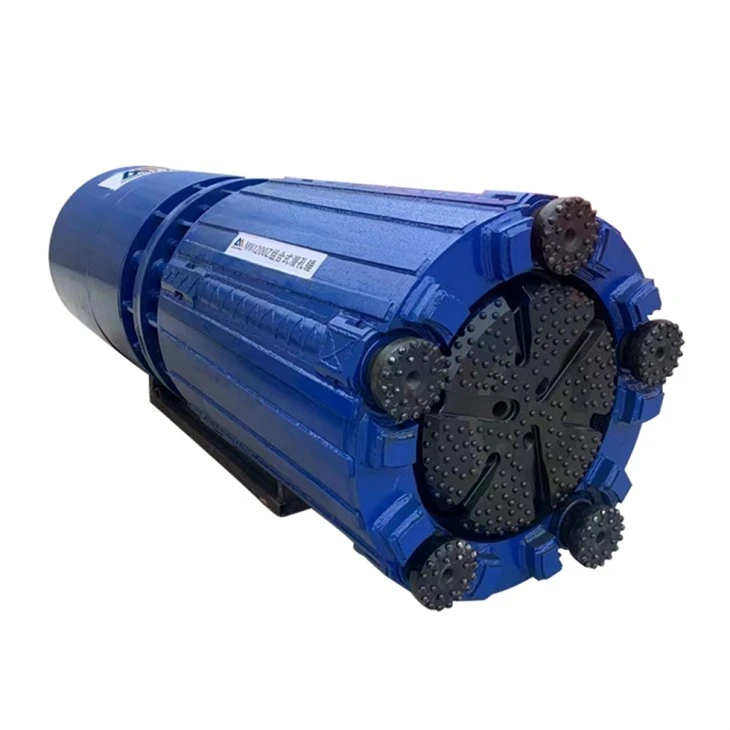
Cluster DTH drilling hammers are designed to use multiple hammers simultaneously, allowing for faster and more efficient drilling. These hammers are commonly used in large-scale mining and construction projects.
Conclusion
In conclusion, DTH hammers are powerful and efficient tools that are widely used in the drilling industry. By converting compressed air into mechanical energy, these hammers are able to deliver repeated blows to the drill bit, breaking the rock or soil and allowing for the creation of boreholes. Understanding how DTH hammers work and the factors that affect their performance is essential for selecting the right hammer for your specific application and ensuring optimal drilling results.
As a leading DTH hammer supplier, we offer a wide range of high-quality DTH hammers to meet the needs of our customers. Whether you are looking for a low air pressure hammer for soft rock drilling or a high air pressure hammer for hard rock drilling, we have the right solution for you. If you have any questions or would like to learn more about our products, please do not hesitate to contact us. We look forward to working with you and helping you achieve your drilling goals.
References
- Redmond, R. W. (2008). Drilling Engineering. Gulf Professional Publishing.
- Teale, A. W. (1965). The concept of specific energy in rock drilling. International Journal of Rock Mechanics and Mining Sciences & Geomechanics Abstracts, 2(2), 135-143.