A diverter system is a crucial component on a drilling rig, especially when it comes to ensuring the safety and efficiency of the drilling operation. As a leading drilling rig supplier, we understand the ins and outs of how these systems work and their significance in the industry. In this blog post, we'll delve into the workings of a diverter system on a drilling rig, exploring its components, functions, and importance.
Understanding the Basics
Before we dive into the details of how a diverter system operates, it's essential to grasp its fundamental purpose. A diverter system is designed to quickly and efficiently divert drilling fluid, wellbore fluids, or any unwanted influx of pressure and fluids away from the rig floor and into a safe discharge area. This is particularly important in situations where a kick - an unexpected influx of formation fluids into the wellbore - occurs. By diverting these fluids, the diverter system helps prevent potentially dangerous situations such as blowouts, which can cause significant damage to the rig, harm to personnel, and environmental disasters.
Components of a Diverter System
A typical diverter system consists of several key components, each playing a vital role in its operation.
- Diverter Valve: This is the heart of the diverter system. The diverter valve is a large, high - pressure valve that can be quickly actuated to redirect the flow of fluids. It is usually located below the rotary table on the drilling rig. When a kick is detected or there is a need to divert fluids, the diverter valve can be opened to allow the fluids to flow through a different path.
- Actuation Mechanism: The diverter valve needs to be opened and closed rapidly. This is achieved through an actuation mechanism, which can be either hydraulic, pneumatic, or electric. Hydraulic actuation is commonly used due to its high power and reliability. The actuation system is connected to a control panel on the rig floor, allowing the driller to operate the diverter valve as needed.
- Discharge Lines: Once the fluids are diverted by the diverter valve, they need to be safely routed away from the rig. Discharge lines are large - diameter pipes that carry the diverted fluids to a designated discharge area, such as a reserve pit or a containment vessel. These lines are designed to handle high - volume and high - pressure fluid flow.
- Pressure Relief Devices: To prevent over - pressurization in the diverter system, pressure relief devices such as pressure relief valves are installed. These valves open automatically when the pressure in the system exceeds a pre - set limit, releasing excess pressure and protecting the components of the diverter system.
How the Diverter System Works
The operation of a diverter system can be broken down into several steps:
Normal Drilling Operations
During normal drilling, the diverter valve remains closed. Drilling fluid, also known as mud, is circulated down the drill string, through the drill bit, and back up the annulus (the space between the drill string and the wellbore wall). The mud serves multiple purposes, including cooling the drill bit, carrying cuttings to the surface, and maintaining hydrostatic pressure in the wellbore to prevent the influx of formation fluids.
Detection of a Kick
A kick occurs when the pressure in the formation is higher than the hydrostatic pressure of the drilling fluid in the wellbore. This can be detected by various means, such as an increase in the flow rate of the returning drilling fluid, a rise in the wellbore pressure, or a change in the properties of the drilling fluid. Once a kick is detected, the driller immediately takes action to activate the diverter system.
Activation of the Diverter System
The driller activates the actuation mechanism of the diverter valve through the control panel on the rig floor. The actuation system, whether hydraulic, pneumatic, or electric, quickly opens the diverter valve. As the valve opens, the flow of fluids in the wellbore is redirected from the normal circulation path to the discharge lines.
Diverting the Fluids
The diverted fluids, which may include drilling mud, formation fluids such as oil, gas, or water, flow through the open diverter valve and into the discharge lines. The discharge lines carry the fluids away from the rig floor to a safe location. The pressure relief devices in the system ensure that the pressure in the diverter system remains within safe limits during this process.
Monitoring and Control
Throughout the operation of the diverter system, the driller continuously monitors the pressure, flow rate, and other parameters of the system. This allows the driller to make adjustments as needed, such as closing the diverter valve once the kick has been controlled or adjusting the flow rate through the discharge lines.
Importance of the Diverter System
The diverter system is of utmost importance in drilling operations for several reasons:
- Safety: The primary function of the diverter system is to protect the rig and its personnel from the hazards associated with kicks and blowouts. By quickly diverting the fluids away from the rig floor, it reduces the risk of explosions, fires, and other dangerous situations.
- Environmental Protection: Diverting the fluids to a safe discharge area helps prevent the release of harmful substances into the environment. This is especially important in offshore drilling, where a blowout can have a significant impact on the marine ecosystem.
- Equipment Protection: A kick can cause high - pressure surges in the wellbore, which can damage the drilling equipment. The diverter system helps to mitigate this risk by diverting the fluids and reducing the pressure on the equipment.
Different Types of Drilling Rigs and Diverter Systems
At our company, we offer a wide range of drilling rigs, each with its own specific diverter system requirements. For example, deep well drilling rig are designed for drilling deep wells, where the pressure and temperature conditions are more extreme. These rigs require diverter systems that can handle high - pressure and high - volume fluid flow.
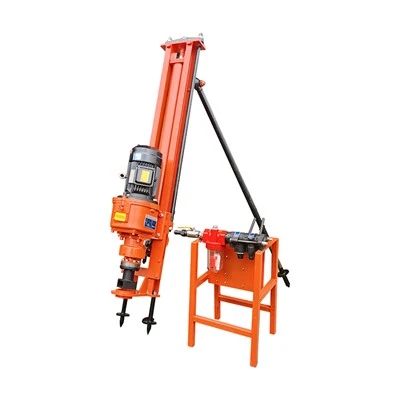
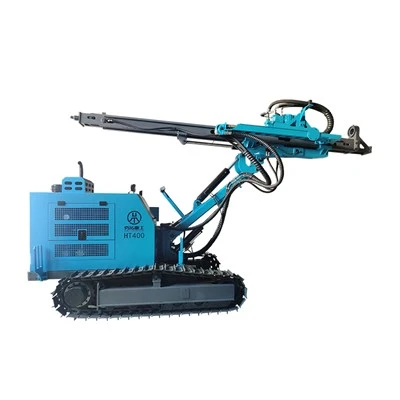
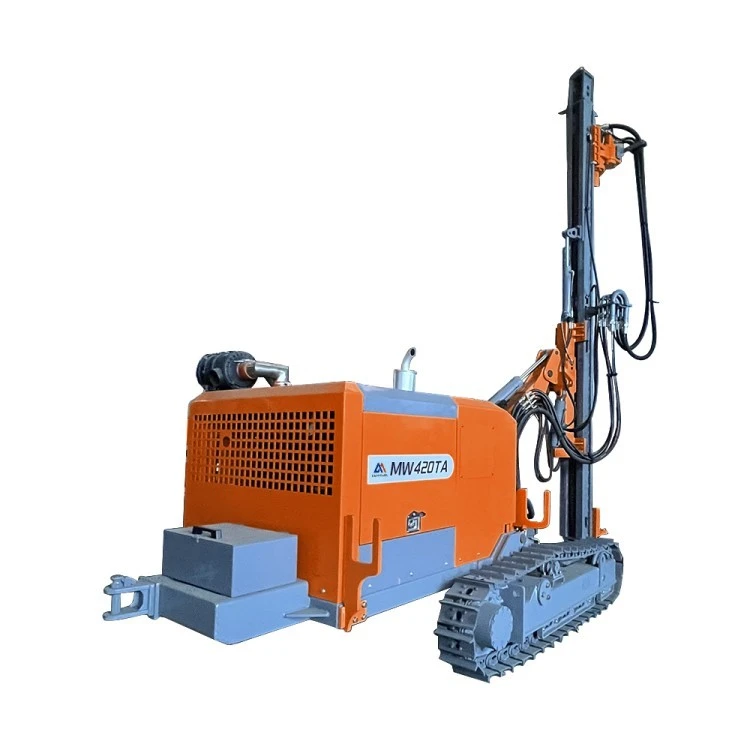
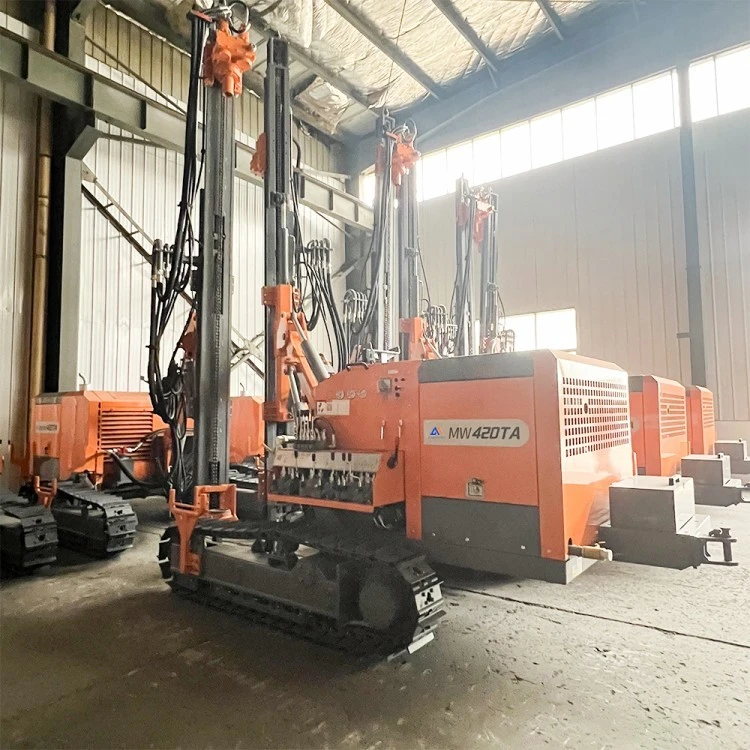
On the other hand, dth drilling rig and Down The Hole Drilling Rig are used in different applications, such as open - pit mining and underground drilling. The diverter systems for these rigs are designed to meet the specific needs of these applications, such as handling different types of formation fluids and operating in different environmental conditions.
Conclusion
In conclusion, the diverter system is an essential part of any drilling rig. Its proper operation is crucial for the safety, efficiency, and environmental protection of drilling operations. As a drilling rig supplier, we are committed to providing high - quality diverter systems that meet the needs of our customers. Whether you are in the market for a deep well drilling rig, a dth drilling rig, or a Down The Hole Drilling Rig, we have the expertise and the products to ensure that your drilling operations are safe and successful.
If you are interested in learning more about our drilling rigs and diverter systems or would like to discuss your specific requirements, we invite you to contact us for a detailed consultation and procurement discussion. Our team of experts is ready to assist you in finding the best solutions for your drilling needs.
References
- API RP 53, Recommended Practice for Blowout Prevention Equipment Systems for Drilling Wells, American Petroleum Institute.
- Bourgoyne, A. T., et al. Applied Drilling Engineering, Society of Petroleum Engineers.