Can an air rock drill be used underwater? This is a question that often arises among those in the construction, mining, and underwater engineering industries. As a supplier of air rock drills, I've encountered this query numerous times. In this blog, I'll delve into the technical aspects, challenges, and potential solutions regarding the use of air rock drills underwater.
How Air Rock Drills Work
Before we discuss the underwater application, let's briefly understand how air rock drills operate. Air rock drills are powered by compressed air. When the compressed air is introduced into the drill, it drives a piston or a series of mechanisms within the drill. This piston movement creates a hammering action, which is transferred to the drill bit. The drill bit then penetrates the rock surface through a combination of impact and rotation.
The design of air rock drills is optimized for use in an atmospheric environment. The compressed air not only powers the drill but also helps in clearing the drill cuttings from the borehole. As the drill bit breaks the rock, the air blows the debris out of the hole, preventing it from clogging the drill and ensuring efficient drilling.
Challenges of Using Air Rock Drills Underwater
Using an air rock drill underwater presents several significant challenges:
Pressure Differential
One of the most critical issues is the pressure differential between the air inside the drill and the water pressure outside. Underwater, the water pressure increases with depth. For every 10 meters of depth, the pressure increases by approximately 1 atmosphere. This high external pressure can prevent the compressed air from escaping from the drill as it does in an atmospheric environment. As a result, the drill may not function properly, and the air may not be able to clear the drill cuttings effectively.
Water Ingress
Another major challenge is water ingress. Water can seep into the drill through various openings, such as the exhaust ports and the connections between the drill components. Once water enters the drill, it can cause corrosion of the internal parts, damage the seals, and interfere with the movement of the piston. This can lead to a significant reduction in the drill's performance and lifespan.
Buoyancy
Air rock drills are typically designed to be used on land, where the effects of buoyancy are negligible. Underwater, however, the drill will experience buoyancy forces. These forces can make it difficult to keep the drill in contact with the rock surface, especially if the drill is not properly weighted. Without proper contact, the drill bit may not be able to apply sufficient force to penetrate the rock.
Potential Solutions
Despite these challenges, there are ways to adapt air rock drills for underwater use:
Pressure Compensation
To address the pressure differential issue, pressure compensation systems can be used. These systems are designed to equalize the pressure inside the drill with the external water pressure. By maintaining a balanced pressure, the compressed air can flow freely through the drill, ensuring proper operation. Some advanced pressure compensation systems can automatically adjust the internal pressure based on the depth of the drill.
Sealing and Waterproofing
To prevent water ingress, the drill must be properly sealed and waterproofed. This involves using high-quality seals and gaskets at all the openings and connections. Additionally, the drill can be coated with a waterproof material to protect the external surfaces from corrosion. Regular maintenance and inspection of the seals are also essential to ensure their effectiveness.

Weighting and Stabilization
To overcome the buoyancy forces, the drill can be weighted down. This can be achieved by adding weights to the drill body or using a special mounting system that keeps the drill in place. Stabilization devices, such as guides and brackets, can also be used to ensure that the drill remains in contact with the rock surface during drilling.
Applications of Underwater Air Rock Drills
There are several industries where underwater air rock drills can be useful:
Underwater Construction
In underwater construction projects, such as building bridges, docks, and offshore platforms, air rock drills can be used to drill holes for foundation piles. These holes provide a stable base for the structures, ensuring their long-term stability.
Mining
Underwater mining operations often require the use of drills to extract minerals from the seabed. Air rock drills can be used to drill into the rock formations, allowing for the extraction of valuable resources.
Marine Archaeology
In marine archaeology, air rock drills can be used to carefully excavate archaeological sites located underwater. They can be used to drill holes in the rock to access artifacts and structures without causing significant damage.
Our Product Range
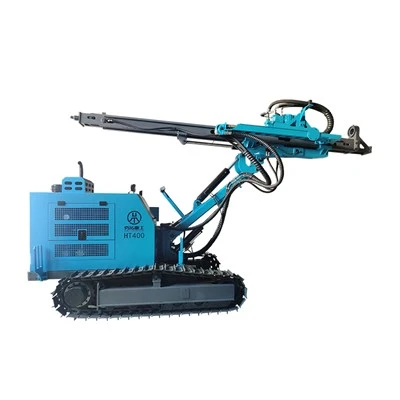
As an air rock drill supplier, we offer a wide range of products suitable for various applications. Our Integrated Open-pit Down-the-hole Drill Rig is a powerful and efficient drill rig designed for large-scale open-pit mining and construction projects. It can be adapted for underwater use with the appropriate modifications.
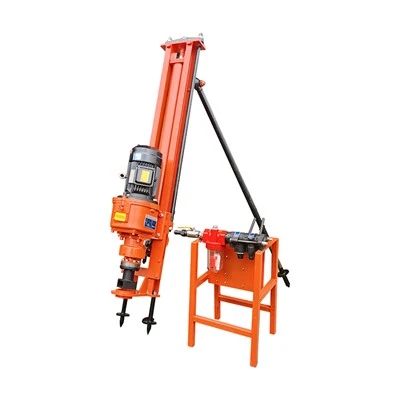
For smaller-scale projects, our small down the hole drilling equipment is a great option. It is compact, easy to operate, and can be used in confined spaces underwater.
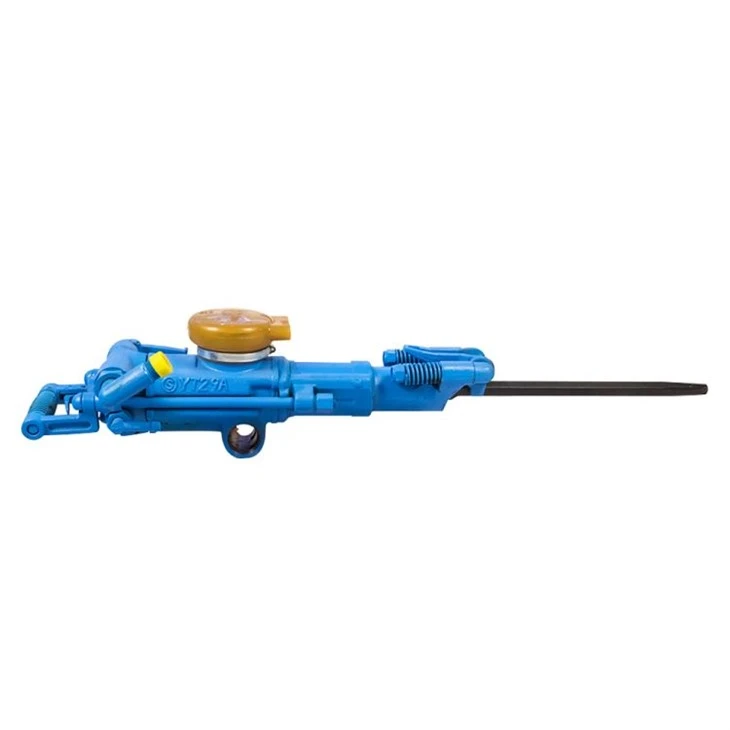
We also offer Hand Held Rock Drill for more precise and manual drilling tasks. These drills are lightweight and portable, making them ideal for underwater applications where mobility is required.
Conclusion
While using an air rock drill underwater presents some challenges, it is possible with the right adaptations and solutions. By addressing the issues of pressure differential, water ingress, and buoyancy, air rock drills can be effectively used in underwater construction, mining, and archaeological projects.
If you're interested in our air rock drills for underwater applications or have any questions, please feel free to contact us for a detailed discussion. We have a team of experts who can provide you with the best solutions based on your specific needs.
References
- Engineering Handbook for Underwater Drilling and Blasting
- Journal of Underwater Technology and Applications
- Technical Manuals of Air Rock Drill Manufacturers