As a supplier of drilling rods, I've been frequently asked whether a drilling rod can be used for different types of drills. This question not only reflects the customers' concerns about cost - effectiveness but also their desire to simplify the procurement process. In this blog, I'll explore this topic in detail, analyzing the compatibility between drilling rods and various drills from different aspects.
1. Types of Drilling Rods and Drills
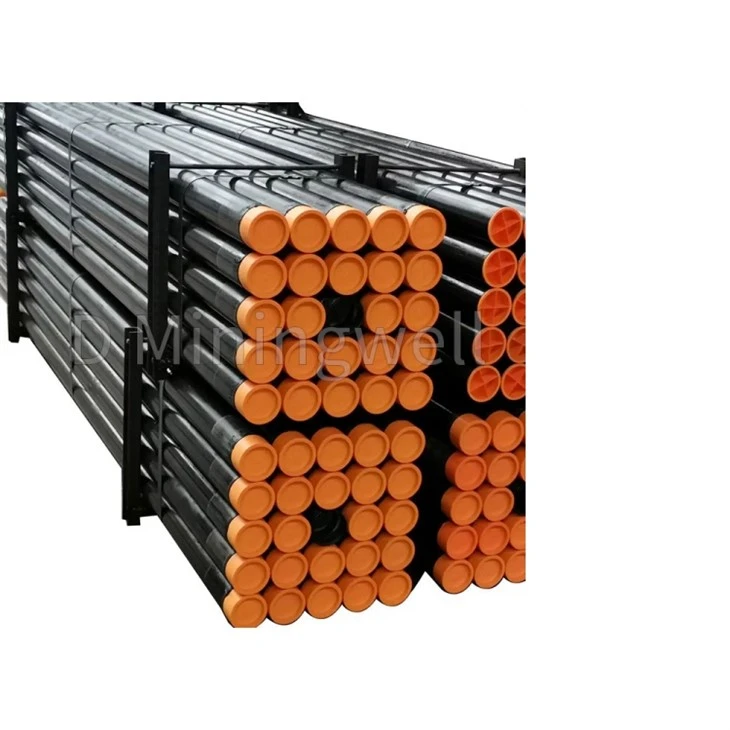
First, let's briefly introduce the common types of drilling rods and drills. There are several types of drilling rods available in the market, such as Core Drill Bit Extension Rod, Mining Drill Rods, and Steel Drill Rod. Each type is designed with specific features and functions to meet different drilling requirements.
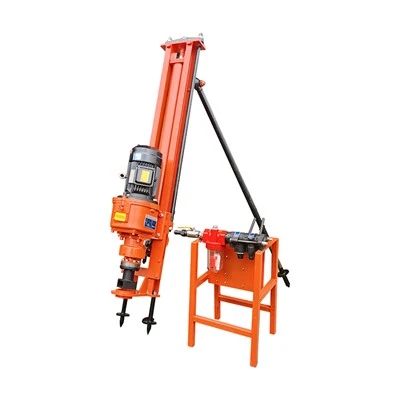
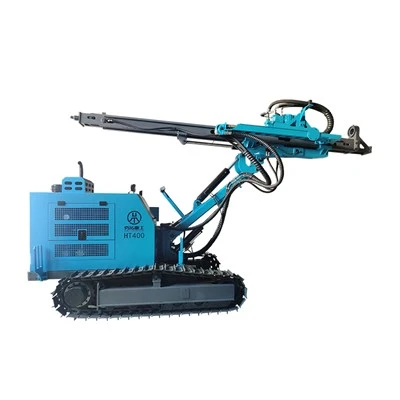
On the other hand, drills come in a wide variety, including rotary drills, percussion drills, and core drills. Rotary drills are mainly used for drilling in soft to medium - hard rock formations. They work by rotating the drill bit to cut through the material. Percussion drills, as the name implies, use a hammering action in addition to rotation to break through hard rock. Core drills are specialized for taking core samples of the rock or other materials, which are important for geological exploration and construction projects.

2. Compatibility Factors
2.1 Connection Type
One of the most critical factors determining whether a drilling rod can be used with different drills is the connection type. Drilling rods need to be securely attached to the drill to ensure efficient power transmission and stable operation. Different drills may have different connection mechanisms. For example, some drills use threaded connections, while others may use a quick - connect system. If the connection type of the drilling rod does not match that of the drill, it will be impossible to use them together.
When choosing a drilling rod, it is essential to check the connection specifications of the drill. As a supplier, we offer a wide range of connection options for our drilling rods, ensuring that they can be compatible with most common drills in the market.
2.2 Rod Diameter and Length
The diameter and length of the drilling rod also play a significant role in its compatibility with different drills. The drill's chuck or the drive system is designed to accommodate specific rod diameters. If the rod diameter is too large or too small, it may not fit properly into the drill, leading to instability during drilling and potential damage to the equipment.
Similarly, the length of the drilling rod should be suitable for the drill and the drilling task. For example, in some shallow - depth drilling projects, a shorter rod may be sufficient, while deep - hole drilling requires longer rods. Our Core Drill Bit Extension Rod is designed to provide flexibility in adjusting the drilling depth by allowing users to add or remove extension rods as needed.
2.3 Material and Strength
The material and strength of the drilling rod must match the requirements of the drill and the drilling environment. Different drills generate different levels of torque, impact force, and vibration. For example, percussion drills generate high - intensity impact forces, so the drilling rods used with them need to be made of high - strength materials that can withstand these forces without breaking or deforming.

Our Mining Drill Rods are made of high - quality steel alloys, which have excellent strength and toughness. They are specifically designed for use in harsh mining environments where the drills need to penetrate hard rock layers.
3. Limitations of Using One Rod for Different Drills
While it may seem appealing to use a single type of drilling rod for different drills to save costs, there are limitations. Different drills are designed for different purposes, and using an inappropriate drilling rod may lead to sub - optimal performance.
For example, if a drilling rod designed for rotary drills is used with a percussion drill, it may not be able to withstand the high - impact forces generated by the percussion action. This can result in premature rod failure, such as cracking or bending, which not only affects the drilling efficiency but also increases the risk of accidents.
Moreover, the performance of the drill may also be affected. A rod that is not properly matched with the drill may cause the drill to operate at a lower efficiency, resulting in slower drilling speeds and increased energy consumption.
4. Situations Where a Rod Can Be Used for Different Drills
Despite the limitations, there are some situations where a drilling rod can be used for different types of drills. If the drills have similar connection types, power requirements, and the drilling tasks are relatively similar in terms of the hardness of the material being drilled, a single type of drilling rod may be suitable.
For example, in some light - duty construction projects where both rotary and percussion drilling may be required in relatively soft soil or rock, a Steel Drill Rod with appropriate strength and connection can be used with both types of drills. This can simplify the inventory management and reduce the overall procurement cost.
5. Tips for Choosing the Right Drilling Rod
When choosing a drilling rod for different types of drills, the following tips can be helpful:
- Understand the Drill Specifications: Thoroughly understand the connection type, power output, and operating requirements of the drills you plan to use. This will help you select a drilling rod that is compatible with them.
- Consider the Drilling Environment: Take into account the hardness and nature of the material to be drilled. For hard rock formations, high - strength drilling rods are required, while for soft materials, less - robust rods may be sufficient.
- Seek Professional Advice: If you are unsure about which drilling rod to choose, don't hesitate to consult with our technical experts. We have years of experience in the industry and can provide you with professional guidance based on your specific needs.
6. Conclusion
In conclusion, whether a drilling rod can be used for different types of drills depends on various factors such as connection type, rod diameter and length, material and strength. While there are limitations to using a single rod for different drills, in some specific situations, it is possible to achieve compatibility.

As a leading supplier of drilling rods, we are committed to providing high - quality products that meet the diverse needs of our customers. Our extensive range of drilling rods, including Core Drill Bit Extension Rod, Mining Drill Rods, and Steel Drill Rod, are designed with advanced technology and strict quality control to ensure optimal performance and reliability.
If you are interested in our drilling rods or have any questions about their compatibility with your drills, please feel free to contact us for procurement and further discussion. We look forward to working with you to achieve your drilling goals.
References
- "Drilling Equipment Handbook", published by a well - known industry publishing house.
- Technical documents from major drill and drilling rod manufacturers.