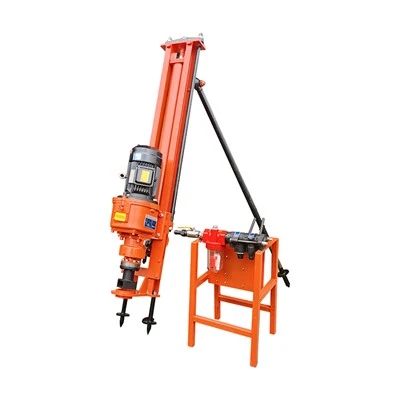
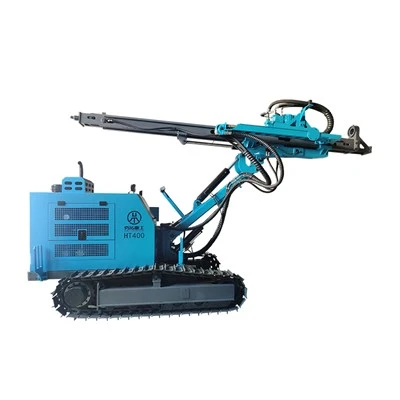
Are there any environmental impacts when using a water well drilling rig truck?
As a supplier of water well drilling rig trucks, I often get asked about the environmental impacts associated with these powerful machines. It's a crucial question, especially in today's world where environmental conservation is at the forefront of many industries. In this blog, I'll explore the potential environmental impacts of using a water well drilling rig truck and discuss ways to mitigate them.
1. Noise Pollution
One of the most immediate environmental impacts of a water well drilling rig truck is noise pollution. These rigs are large and powerful, and the drilling process can generate a significant amount of noise. The noise can be a nuisance to nearby residents, wildlife, and can even disrupt the natural behavior of animals.
The noise levels produced by a water well drilling rig truck can vary depending on the type of rig, the drilling method, and the surrounding environment. For example, a hydraulic drilling rig may produce less noise than a pneumatic rig. Additionally, the noise can be amplified in areas with hard surfaces or in canyons, while it may be absorbed in areas with dense vegetation.
To mitigate the impact of noise pollution, we can take several measures. Firstly, we can use noise - reducing equipment such as mufflers on the engines and sound - proof enclosures around the drilling components. Secondly, we can schedule drilling operations during less sensitive times, such as during the day when most people are not sleeping and wildlife is more active. Thirdly, we can set up buffer zones around the drilling site to minimize the impact on nearby communities and wildlife habitats.
2. Soil and Groundwater Contamination
Another significant environmental concern is the potential for soil and groundwater contamination. During the drilling process, various chemicals and fluids are used. For example, drilling mud is commonly used to lubricate the drill bit, cool it down, and carry the cuttings to the surface. This drilling mud may contain additives such as polymers, salts, and sometimes even heavy metals.
If not properly managed, these chemicals can leak into the soil and contaminate the groundwater. This can have serious consequences for the local ecosystem and human health. For instance, contaminated groundwater can be a source of drinking water for nearby communities, and the presence of harmful chemicals can lead to various health problems.
To prevent soil and groundwater contamination, we need to ensure proper handling and disposal of drilling fluids. We can use environmentally friendly drilling muds that are biodegradable and have a lower toxicity level. Additionally, we should have proper containment systems in place at the drilling site to collect any spills or leaks. Regular monitoring of the soil and groundwater quality around the drilling site is also essential to detect any early signs of contamination.
3. Land Disturbance
The operation of a water well drilling rig truck also causes land disturbance. The rig needs a relatively flat and stable area to operate, which often requires clearing vegetation and grading the land. This can lead to soil erosion, loss of habitat for wildlife, and changes in the local hydrology.
Soil erosion can occur when the protective vegetation cover is removed. The exposed soil is more vulnerable to the forces of wind and water, which can carry away the topsoil. This topsoil is rich in nutrients and is essential for plant growth. Loss of habitat for wildlife can disrupt the local ecosystem, as many animals rely on the vegetation for food, shelter, and breeding.
To minimize land disturbance, we can follow best - practice land management techniques. For example, we can use a minimal - impact drilling approach that requires less land clearing. We can also implement erosion control measures such as planting grass or installing silt fences around the drilling site. After the drilling is completed, we should rehabilitate the land by restoring the vegetation cover and re - establishing the natural habitat.
4. Air Pollution
The engines of water well drilling rig trucks burn fuel, typically diesel, which releases pollutants into the air. These pollutants include particulate matter, nitrogen oxides, carbon monoxide, and hydrocarbons. Particulate matter can cause respiratory problems in humans and animals, while nitrogen oxides and hydrocarbons can contribute to the formation of smog and acid rain.
To reduce air pollution, we can use more fuel - efficient engines and invest in emission - control technologies. For example, diesel particulate filters can be installed on the engines to capture particulate matter, and selective catalytic reduction systems can be used to reduce nitrogen oxide emissions. Additionally, we can promote the use of alternative fuels, such as biodiesel, which has a lower carbon footprint.
5. Positive Environmental Impacts
While there are several environmental challenges associated with using a water well drilling rig truck, there are also some positive environmental impacts. For example, the drilling of water wells can provide a reliable source of water for agricultural, domestic, and industrial use. This can reduce the dependence on surface water sources, which may be more vulnerable to droughts and pollution.


In some cases, the water from the wells can be used for groundwater recharge, which helps to maintain the water table and support the local ecosystem. Additionally, the development of water wells in rural areas can improve the living standards of the local population, which can in turn lead to better environmental management practices as people become more aware of the importance of natural resources.
Conclusion
In conclusion, the use of a water well drilling rig truck does have some environmental impacts, including noise pollution, soil and groundwater contamination, land disturbance, and air pollution. However, as a responsible supplier, we are committed to minimizing these impacts through the use of advanced technologies, proper management practices, and strict environmental regulations.
If you are interested in our water well drilling machine, Small Tricycle Vehicle - mounted Water Well drilling Rig, or truck mounted water well drilling rig, we encourage you to contact us for more information and to discuss your specific requirements. We believe that by working together, we can ensure that the drilling operations are not only efficient but also environmentally sustainable.
References
- American Petroleum Institute. (2019). Recommended Practices for Environmental Protection in Drilling and Production.
- United States Environmental Protection Agency. (2020). Drilling and Well Construction.
- International Association of Drilling Contractors. (2021). Environmental Guidelines for Drilling Operations.